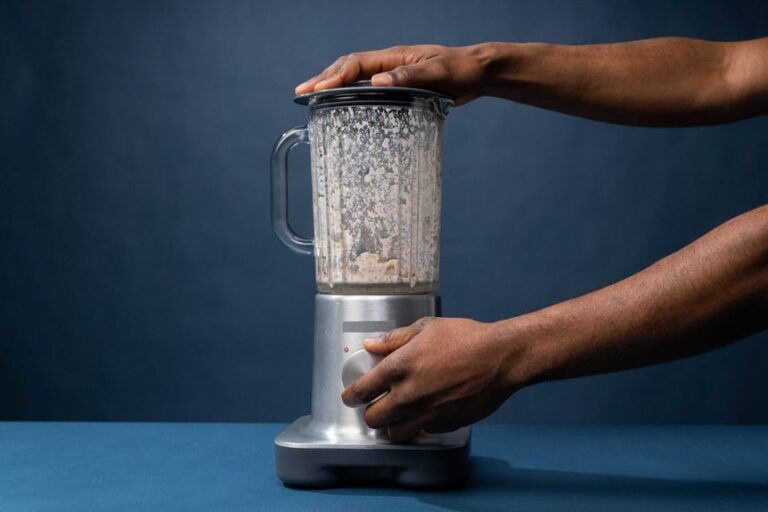

A loud blender can be normal, but when the noise feels harsh, shaky, or uneven, something is probably off. You may be hearing simple vibration, loose parts, dull blades, or a motor that is working too hard. Ice and frozen fruit can also turn a quick blend into a small kitchen storm. The reassuring part is that most noise issues are easy to spot, and once you know what to check first, the fix is often simpler than you would expect.
Why Is My Blender So Loud?
When your blender sounds like it’s trying to start a small flight school, that usually means one or more normal things are happening at once. Your motor works hard, so motor vibration can shake the base and make the whole unit feel louder than it is. At the same time, fast blades push through ice, frozen fruit, or thick mixes, and that adds a rough roar.
If the blender sits on a hard counter, the sound can bounce and grow. That’s where sound dampening helps. A silicone mat, rubber pad, or thick towel can soften the buzz and help you feel less rattled. You aren’t doing anything wrong. Most loudness comes from design, load, and surface contact, not from a broken machine.
What Does Normal Blender Noise Sound Like?
Normal blender noise usually sounds like a steady, high pitched whir mixed with a strong motor hum, and that sound can rise quickly when you add ice, frozen fruit, or thick ingredients. You should expect a firm buzz, not a rattle or a shriek.
In the normal decibel range, many blenders land around 80 to 95 decibels, which is often compared to a lawnmower or a busy vacuum in a typical kitchen. That can feel intense, but it’s common when you push the machine hard.
When your blender sounds smooth and even, you’re usually hearing normal operation. A little extra roar during tough blends can still fit. What matters is the pattern. Quick changes, grinding, or squeaking usually stand out from the everyday sound most blenders make.
Check for Dull or Damaged Blender Blades
Dull or damaged blades can make your blender much louder because the motor has to work harder to do the same job. As blade wear appears, you might notice more strain, extra noise, and weaker cutting performance. Check the blades for chips, bends, or rounded edges after you unplug the unit.
If they look rough or uneven, they may not slice food cleanly, so the blender keeps working harder. That extra effort can make blending sound harsh instead of smooth. You can also watch for food that stays chunky after a normal cycle.
If that happens often, the blades may need replacing. Fresh blades help your blender move through ingredients more easily, and that can make your kitchen feel calmer and more controlled.
See Whether the Jar Is Loose or Misaligned
Ever notice a blender that seems to buzz, rattle, or shake more than usual? Start by checking jar alignment. Make sure the jar is seated fully on the base, with the tabs or arrows lined up as the manual shows. If the jar sits crooked, it can wobble and make the whole machine sound harsher than it should.
Next, look at the lid. A lid that isn’t snapped down tight can chatter every time the blades spin, and that noise can seem bigger than it is. Press the jar down gently, then twist or lock it into place again.
If the sound settles, you have likely found the problem. When everything clicks together, your blender feels steadier, and you can blend with more peace of mind.
Check If the Motor Is Straining
Should your blender sound like it’s working too hard, the motor could be straining under the load. Listen for signs of motor strain such as a harsh hum, slower blade speed, or a smell that seems warm and off.
You might also notice overheating clues, such as a hot base, a brief shutoff, or a casing that feels too warm to touch. If that happens, pause the machine and let it rest so you don’t push it harder.
Then check whether the blades spin freely and the jar sits correctly, because extra resistance can make the motor work overtime. If you blend in a group setting, you aren’t alone.
Many kitchen owners run into this, and a few careful checks can help your blender sound calmer and feel safer.
Reduce Noise From Overloading or Ice
A blender can get surprisingly loud when you overfill the jar or ask it to crush more ice than it can handle. You aren’t alone if that startles you. Once you give the blades room, the motor works more easily, and your kitchen feels calmer.
- Use portion size control for smoother blends.
- Fill the jar only halfway for thick mixes.
- Add liquid before frozen fruit or ice.
- Try an ice crushing technique with short pulses.
- Pause and stir if the load sticks.
These small habits reduce strain quickly. If you want a smoother blend, work in batches and let the blades catch up. You’ll hear less grinding, and the texture usually improves too. Better pacing keeps your blender from sounding like it’s in a race it never signed up for.
Fix Rattling Parts and Worn Gaskets
Loose parts and worn seals can turn a normal blender hum into a sharp, annoying rattle, so check them first. Start with the lid and jar area. If you hear a rattling lid seal, press the lid down and make sure it sits evenly.
Then inspect the worn rubber gasket under the blade base. When it dries out, cracks, or shifts, it can shake and buzz during blending. You can also look for chipped plastic, bent tabs, or a loose blade ring that allows parts to move.
Replace any damaged piece right away, because a small gap can quickly become a loud problem. When everything fits snugly, your blender feels steadier, sounds calmer, and works as it should in your kitchen.
Clean and Tighten Blender Parts
Even when the lid and gasket fit well, grime and tiny bits of food can still make your blender sound rough. You can reduce that noise by wiping each part carefully and cleaning the blades after every use.
Remove the jar, wash the blade area, and clear dried pulp from the seal, because buildup makes the motor work harder. Then check the screws, feet, and base for tightness, since a small wobble can turn into a loud buzz.
- Unplug it first.
- Rinse the jar right away.
- Brush around the blades.
- Dry every piece fully.
- Tighten loose fasteners gently.
When you keep the parts clean and snug, your blender feels more stable and sounds less strained, so kitchen time stays easier for you and the people you share it with.
Frequently Asked Questions
Can Blender Noise Damage My Hearing?
Yes, it can if you are close enough and exposed often. Protect your hearing by stepping back, limiting noise exposure, and using lower speeds or short bursts. If it seems painfully loud, wear ear protection.
Are Some Blender Brands Quieter Than Others?
Yes, some brands are quieter than others. You will usually hear less noise from models with better motor design, smarter jar shapes, and sound-dampening housings, so you can blend without disturbing everyone.
Should I Use a Blender Sound Enclosure?
Yes, you should if you need less noise, but keep ventilation safety foremost. A soundproof cabinet can help reduce noise and improve comfort, as long as it will not trap heat or block airflow.
Does Countertop Material Affect Blender Loudness?
Yes, your countertop can make the blender seem louder because hard surfaces amplify countertop vibration. You will hear less noise on surfaces with better damping, such as a mat or towel, which can also help you feel more at ease.
When Should I Replace My Noisy Blender?
Replace it when you notice signs of motor wear, blade imbalance, grinding, or squealing. If cleaning, tightening, and blade replacement do not help, it is better to upgrade. A reliable blender helps you feel at home.