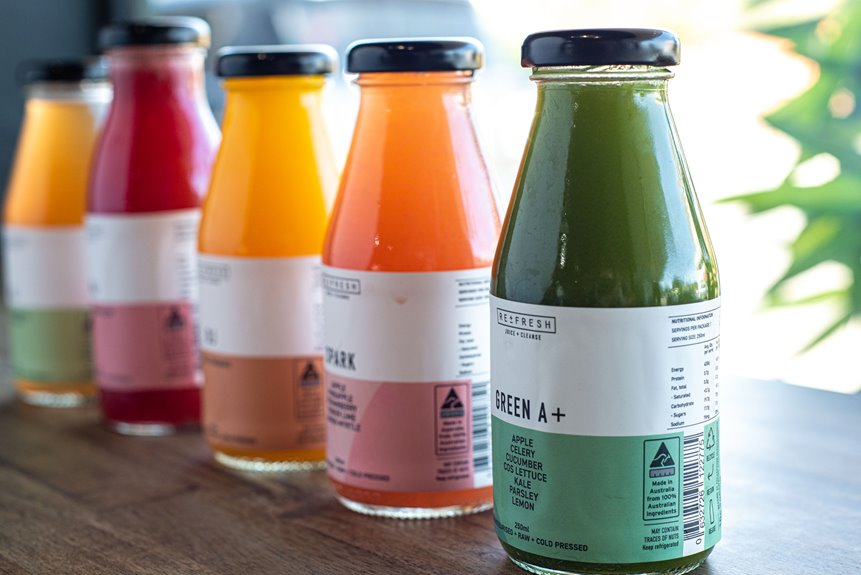
After a week of fresh juice with breakfast, you may feel like your body got a quick tune-up, almost like a phone hitting 100% in ten minutes and then sliding back down. Daily juice can give you a fast hit of vitamin C, potassium, and hydration, but it also skips most fiber, so the natural sugar can move into your blood fast and leave you hungrier later. When you drink it every day, the type, amount, and timing start to matter more than you’d imagine.
What Fresh Juice Does to Your Body
When you drink fresh juice daily, your body gets a quick dose of vitamins, minerals, and plant compounds that can affect how you feel.
You may notice a lighter, brighter sense of energy because the nutrients absorb quickly. That can support immune function, especially when your juice provides extra vitamin C and folate. At the same time, your antioxidant intake increases, which helps your cells manage everyday stress. If you choose veggie-rich blends, you also get a steadier mix of plant nutrients without much effort.
Fresh Juice vs Whole Fruit: What Changes?
Although fresh juice and whole fruit can come from the same apple or orange, they don’t act the same in your body.
When juice is extracted, much of the fiber is removed, so the sugar is absorbed faster and the drink feels lighter. Juice can still provide vitamins and antioxidants, but whole fruit offers more chewing, more fullness, and a slower rise in blood sugar.
That difference matters when you want steady energy and less snacking. You also miss some plant compounds that support gut health and satiety.
Fresh Juice Benefits You Can Notice Fast
If you have been sipping fresh juice each day, you may notice the effects sooner than you expect.
You may feel a real nutrient boost, especially when your glass includes citrus, carrot, or leafy greens. Those vitamins and minerals can help you feel more alert and supported.
Fresh juice also adds quick hydration, so your body gets fluid fast after a long morning or workout. You may also find it easier to drink than a full plate of produce, which can help on busy days.
If you choose a vegetable-heavy blend, you can enjoy a bright taste without feeling weighed down.
That small daily habit can help you feel more supported, one sip at a time.
How Daily Juice Affects Your Blood Sugar
Daily juice can raise your blood sugar faster than whole fruit because it lacks the fiber that normally slows sugar absorption.
That means you may feel a quick energy boost, but you can also experience a sharper spike and drop afterward.
If you drink it every day, portion size and what’s in the glass really matter.
Blood Sugar Spikes
Fresh juice can raise your blood sugar faster than whole fruit because it removes most of the fiber that normally slows digestion. If you drink it every day, you may feel a quick lift, then a sudden dip that leaves you shaky or hungry. Glucose monitoring can help you notice your own pattern, and it can make your insulin response feel less mysterious.
| Drink | Blood sugar | Feeling |
|---|---|---|
| 1 glass | Fast rise | Alert |
| 2 glasses | Higher rise | Restless |
| 3 glasses | Bigger spike | Tired |
| Daily habit | More swings | Frustrated |
| Smart portion | Gentler rise | Steady |
You are not alone if this feels tricky. Many people want juice in their day and still want calm energy. Pairing it with a meal can help you feel more settled.
Fiber Loss Effects
When juice loses its fiber, your blood sugar can rise more quickly because nothing slows the sugar the way whole fruit does. You may feel a quick lift, then a dip that leaves you hungry sooner.
That’s why daily juice can blur your sense of fullness and make it harder to stay steady between meals. If you choose juice often, your body may miss the slower release that helps you feel settled and in control.
You may also notice less digestive comfort, since juice skips the bulk that supports normal gut movement. In your routine, that means juice works best as a small part of the day, not your main fruit source.
Pair it with protein or healthy fat, and you can help soften the sugar rush.
Why Fresh Juice Has Less Fiber
Because juice squeezes out the liquid and leaves much of the solid fruit or vegetable behind, it loses a lot of fiber in the process.
When you use different juice extraction methods, the blade or press separates juice from skins, seeds, and flesh, so the rough parts that carry fiber stay out.
You can choose blends with more pulp, and pulp retention may provide a little more fiber and a fuller texture.
Still, fresh juice rarely matches whole produce because the plant’s structure gets broken apart.
That means you sip the nutrients without the same fibrous structure.
If you like juice, you aren’t alone.
Many people enjoy that smooth, easy feel.
Just know that less fiber is part of what makes it so light.
Why Juice Fills You Up Less Than Fruit
Whenever you drink juice, you lose the fiber that helps fruit stay in your stomach and keep you full.
Juice also sends sugar into your blood faster, which can make you feel hungry again sooner.
In addition, you don’t have to chew it much, so your body gets fewer signals that you have actually eaten.
Fiber Removal Effect
Fresh juice often feels light and easy to drink, yet it usually fills you up less than whole fruit for a simple reason: the fiber is removed. Without that structure, your body gets less chewing time and less staying power. You may also notice more enzyme retention in some fresh blends, but the missing pulp texture still changes how full you feel.
| What stays | What leaves |
|---|---|
| Vitamins | Fiber |
| Minerals | Pulp |
| Antioxidants | Bite |
| Flavor | Bulk |
| Hydration | Fullness |
When you drink juice, you get a fast, smooth option, but you skip the slow, steady pace that fruit provides. That is why a glass can feel pleasant, yet a bowl of fruit can keep you satisfied longer.
Faster Sugar Absorption
Juice can enter your system quickly, and that rapid absorption is a major reason it doesn’t keep you full for long. When you drink it, the sugars reach your bloodstream with less delay, so your glycemic response rises sooner than it does with whole fruit. That means you get fast carbs, but you also lose the slow, steady feeling that helps you stay satisfied.
- Your body absorbs the liquid sugar quickly.
- Your blood sugar can rise sooner.
- You may feel hungry again faster.
- You might get energy now, then fade later.
Lower Chewing Time
That quick sugar hit also points to another reason juice doesn’t satisfy you the way whole fruit does: you barely have to chew it. Your mouth gets little work, so your brain gets fewer signals that say, “I am full.”
With apples or oranges, chewing slows you down and gives your stomach time to catch up. Juice skips that step, so you can finish a glass fast and still want more.
That’s why the time saving benefits feel great, but the reduced chewing can also make it easier to drink past your needs. If you’re sharing a busy morning with friends or family, juice fits your routine. Still, it won’t keep you as steady or satisfied as fruit, because the pause that chewing creates matters.
Best Fruits and Vegetables for Daily Juice
Whenever you want to drink juice every day, the best choices are the ones that give you the most nutrients without loading you up with too much sugar.
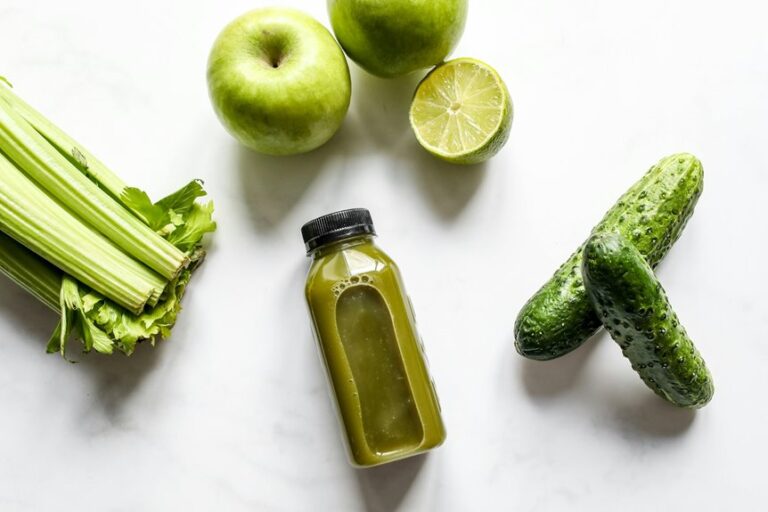
Seasonal produce pairs work well, such as apple and carrot in fall, or cucumber and lemon in summer. Start with nutrient dense greens such as spinach, kale, or romaine, then add a little fruit for taste. That way, you keep the flavor friendly and the sugar lower.
- Spinach for folate and vitamin C
- Kale for vitamin K and antioxidants
- Carrot for beta carotene
- Cucumber for hydration and lightness
If you like a brighter taste, berries, oranges, and beets can help. Mix colors often, and you’ll give your body a wider range of plant nutrients each day.
How Much Fresh Juice Is Too Much?
Even healthy fresh juice can become too much of a good thing, so the amount matters as much as the ingredients.
You don’t need a large glass to feel like you’re making a healthy choice. In fact, keeping juice portions modest helps you stay in a safer range.
Many experts suggest 1/2 cup to 1 cup a day, especially if you drink fruit juice. That amount can help you avoid common daily limits for sugar and extra calories. If you pour more, the numbers add up quickly, and your body may notice.
Keep it small, sip it slowly, and let juice stay a sidekick, not the main event. Choosing less still gives you the benefits without crowding out the rest of your day.
When Fresh Juice Helps Hydration and Energy
A small glass of fresh juice can do more than taste good, especially after a long morning, a workout, or a period without much to drink. It can support hydration because it adds fluid and easy to absorb nutrients at the same time. That may help you feel more steady when plain water feels less appealing and your body needs a little more.
- It replaces some lost fluids
- It provides a quick energy lift
- It may feel gentler than heavy snacks
- It fits well when you need something simple
When you choose a fresh, lightly sweet blend, you may notice better focus and a more comfortable sense of refreshment. Many people keep juice nearby when they want to recharge without extra effort.
How Daily Juice Affects Weight
Daily juice can quietly add more calories than you expect, and that matters if you drink it every day. If you sip it with meals or between them, your calorie balance can shift without you noticing.
You may feel satisfied in the moment, but the sugar and lack of fiber can leave you hungrier later. That’s why portion size matters so much.
A small glass may fit your day better than a large one, and it can help you stay on track with your weight goals. If you want juice in your routine, treat it as an occasional choice, not a free pass. You’re more likely to stay consistent when you keep servings modest and choose an amount that fits your life.
Who Should Limit Fresh Juice Most
Who should limit fresh juice most? You should be careful if you’re managing blood sugar, because juice can raise glucose quickly and make diabetes management harder. You should also watch your intake if you have kidney disease, since some juices can add extra potassium and fluid. In those cases, smaller servings can help you stay comfortable without putting too much strain on your body.
- People with diabetes
- People with kidney disease
- People trying to control weight
- People sensitive to sugar spikes
If you’re in one of these groups, fresh juice can still fit sometimes, but it shouldn’t replace steadier choices. A small glass may seem harmless, yet your body may need a slower pace.
How to Make Fresh Juice Healthier
To make fresh juice healthier, start with whole produce so you keep more natural fiber and get a steadier effect on your body.
Balance fruit with more vegetables, which helps reduce the sugar load without losing flavor.
Add a little protein or healthy fat, such as yogurt, seeds, or nut butter, so the juice feels more filling and supports more even energy.
Choose Whole Produce
In case you want fresh juice to work for your body instead of against it, start with whole produce whenever possible. When you keep the peel, pulp, and flesh, you get more whole food benefits, along with the natural rhythm of chewing and satiety that juice alone can’t provide. You also stay closer to the plant’s full mix of fiber, water, and micronutrients.
- Wash apples, cucumbers, and herbs well.
- Leave skins on when they’re thin and edible.
- Use whole citrus segments instead of only strained liquid.
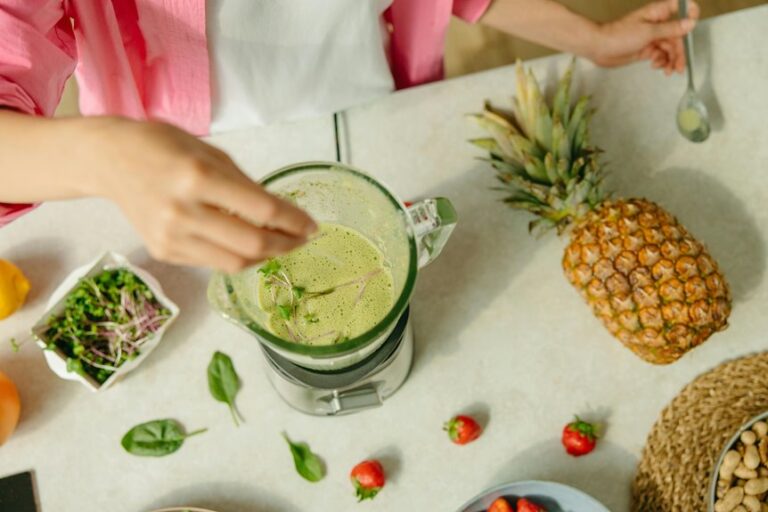
- Blend some of the produce, then strain less.
That way, you join the crowd that drinks smarter, not louder. Your body gets steadier fuel, and you feel more satisfied between sips.
Balance Fruit And Veggies
Now that you’re keeping more of the plant in your glass, the next step is to balance what goes in it.
You can lean on vegetables for body and keep fruit for brightness, so your juice flavor balance stays lively without becoming too sweet. Try cucumber, celery, kale, or spinach as a base, then add apple, pear, or citrus in small amounts. That mix helps you enjoy juice with less sugar and more variety.
With seasonal produce rotation, you also keep your routine fresh and connected to what’s ripe now, which makes shopping feel easier and more fun. If one batch tastes sharp, add a little more fruit. If it tastes flat, add herbs or lemon. Small shifts help you fit in, sip by sip.
Add Protein Or Fat
Because juice moves through your body quickly, adding protein or fat can make it feel more steady and satisfying. When you have juice, think of it as part of a snack, not the whole meal. A smart protein pairing helps you stay full longer and can reduce the sugar rush.
- Greek yogurt on the side
- A handful of nuts
- Cheese and whole grain crackers
- Avocado toast or chia seeds
Healthy fats also support nutrient absorption and give your body a slower, steadier source of energy. Whether you’re with friends or trying to keep your day on track, this combination helps juice fit more naturally into real life. You don’t need a perfect plan, just a simple one that works for you.
Frequently Asked Questions
Can Fresh Juice Improve Vitamin and Mineral Intake Daily?
Yes, fresh juice can improve your daily vitamin and mineral intake because its micronutrient density supports nutrient absorption. In moderation, it can be a simple way to add more vitamins and minerals to your routine.
Does Fresh Juice Help With Hydration and Energy Levels?
Yes, fresh juice can support hydration and provide a quick source of energy because it adds fluid and natural sugars. You may notice a short-term boost, especially when you choose it instead of a low-nutrient drink, but moderation still matters.
Can Drinking Juice Every Day Affect Blood Sugar Spikes?
Yes, you can see blood sugar spikes. Without fiber, juice can affect blood sugar quickly; one review found orange juice raised vitamin C by 59%, yet daily sipping can still disrupt blood sugar balance.
Is Fresh Juice Less Filling Than Eating Whole Fruit?
Yes, fresh juice is usually less filling than whole fruit because it lacks chewing and most of the fiber. You may feel hungry sooner, so it can help to pair juice with protein or choose whole fruit more often.
What Makes Vegetable-Heavy Juice Healthier Than Fruit-Only Juice?
You’ll notice vegetable-heavy juice feels lighter because it keeps sugar levels lower while increasing nutrient density. You get vitamins, minerals, and antioxidants without a large blood sugar spike, so you can sip with confidence.