Juicing removes the pulp and fiber from fruits and vegetables, leaving only the liquid. Blending keeps the whole ingredient in the cup, so the result is thicker, more filling, and more likely to function like a meal. If you have ever wondered why juice disappears quickly while a smoothie keeps you satisfied, the answer comes down to fiber, texture, and the way your body processes each one. Once you understand the difference, it becomes easier to choose the right option for your day.
Juicing Vs Blending: What’s the Difference?
So, what really sets juicing apart from blending? You use the same produce, but each method changes the result.
With juicing, you usually need a juicer, and ingredient prep often includes peeling, trimming, and feeding pieces into the machine. The result is a lighter drink that leaves most of the fiber behind.
With blending, you use a blender, so you keep the whole fruit or vegetable in the cup, which makes the drink thicker and more filling. That difference matters when you want a quick sip or a meal-like treat.
Both can fit your routine, and neither needs to feel fancy. You can choose the style that matches your day, your taste, and your comfort.
How Each Method Works
While you juice, you feed fruits or vegetables into a juicer that squeezes out the liquid and leaves most of the pulp behind.
While you blend, you use a blender to break the whole produce into a thicker drink, so the fiber stays with the liquid.
That’s why the two methods feel so different in your glass, even though they start with the same ingredients.
Juicing Process
Juicing begins when fresh fruits or vegetables are fed into a juicer. The machine presses, grinds, or spins the produce to extract the liquid. You can see the juice separate quickly while the pulp is kept out of the glass. That separation is the core of juicing, and it’s what gives the drink its light, clean feel.
- Add fresh produce.
- The machine breaks it down.
- Liquid flows into the cup.
- Dry pulp collects in a separate bin.
Blending Process
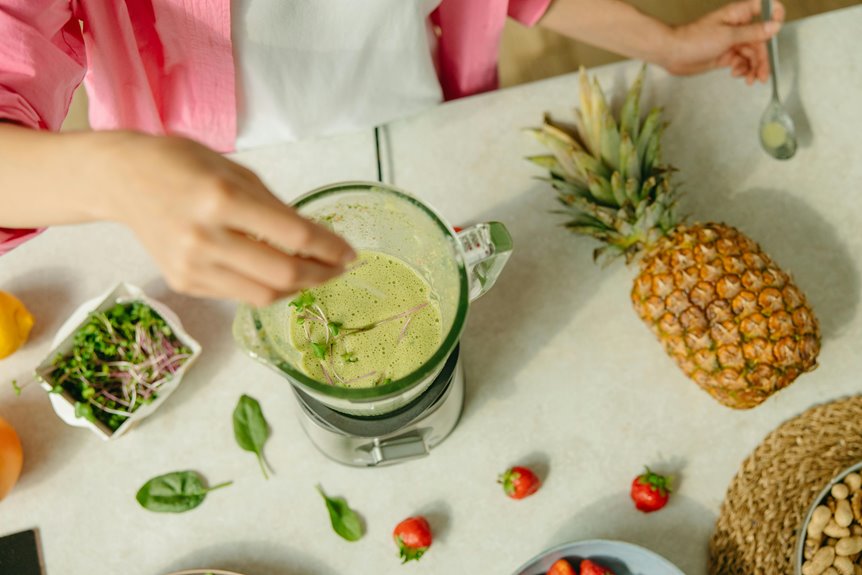
Blending works differently from juicing, even though both start with fresh fruits or vegetables. You add whole pieces to a blender, and the blades use fast rotation to chop, swirl, and mix everything into a smooth drink. This process keeps the fiber, pulp, and liquid together, so the result feels thicker and more like a filling snack than a thin beverage.
| Step | What happens |
|---|---|
| Add produce | Place whole ingredients inside the blender. |
| Start blades | The motor spins quickly. |
| Break apart | The pieces are chopped into smaller bits. |
| Mix evenly | Everything blends into a smooth texture. |
| Serve | Pour and enjoy. |
Because the whole food stays together, the result is creamy, filling, and easy to share.
Key Method Differences
At the heart of these two methods, the main difference is simple, one separates the liquid from the food, while the other keeps everything together.
When you choose between equipment types, you’re really choosing how much of the produce remains in the final drink. Juicers extract juice and leave pulp behind, while blenders break everything down into a thicker drink. That also affects your ingredient selection, because juicing works best with produce that releases liquid easily, while blending offers more flexibility.
- Juicing removes most of the fiber.
- Blending keeps the fiber in the cup.
- Juicing produces a lighter drink.
- Blending produces a fuller, creamier drink.
Juicing Vs Blending: Fiber And Nutrients
Whenever you compare juicing and blending, the biggest difference is fiber. Juicing strips most of it away, while blending keeps it in the cup.
That means blended drinks often preserve more of the food’s full nutrient profile, while juice can feel lighter and move through your system faster.
Fiber Content Differences
Because fiber is one of the biggest differences between these two drinks, it helps to look closely at what each method leaves behind. When you juice, most of the pulp is removed, which means much of the fiber is lost. The drink becomes lighter, but it also loses the part that gives produce its whole food structure.
When you blend, that structure stays in the cup, so the drink remains thicker and more filling.
- Juicing strips out most fiber.
- Blending keeps fiber mixed in.
- Fiber adds body and texture.
- More fiber helps you feel like you’re still getting the real fruit or vegetable experience.
Nutrient Retention Comparison
When you choose between juicing and blending, nutrient retention is an important factor. Juicing keeps many vitamins and minerals in a small serving, but some nutrients are lost when the pulp is removed.
Blending keeps the whole fruit or vegetable intact, which helps preserve more antioxidants and provides a more complete nutrient profile. As a result, the drink stays closer to the original produce.
If you want the fullest nutritional package, blending usually gives you more of what the whole ingredient offers. Juicing still works well if you prefer a lighter drink, but it removes part of the food.
When comparing the two, consider whether you want a more concentrated drink or a fuller, more complete one.
Digestion And Absorption
Juicing and blending affect your body in different ways, and it starts with fiber. When you drink juice, your body often moves it through faster, so digestion can feel quicker and lighter.
When you drink a blended beverage, the fiber remains, which changes how quickly nutrients reach your blood.
- Juice breaks down quickly, so you may feel less full.
- Blends keep fiber, which can slow digestion slightly.
- Juice can lead to faster nutrient absorption.
- Blends provide steadier nutrient absorption and a gentler rise in blood sugar.
Which Is Better For Weight Loss?
When you’re trying to lose weight, the better choice often depends on what helps you stay full and satisfied. If you want a calorie deficit, blending usually provides more satiety because the fiber stays in the drink. That fiber can help you feel full longer, so you may snack less later.
Juicing can still fit if you prefer a lighter drink, but it often leaves you hungry sooner because most of the fiber is removed. For most people, a blended drink works better as a meal or snack. Juicing may suit you when you want something small and easy, but it’s less helpful for controlling cravings.
The best choice is the one that matches your goals, your routine, and your appetite.
How Taste And Texture Compare
As you compare juicing and blending, the biggest taste difference comes from the fiber. Juice can taste brighter and sweeter because the pulp is removed, so the sweetness may seem sharper and cleaner. Blends keep the whole fruit, so you get a fuller flavor and a thicker sip that coats the tongue. That difference in mouthfeel changes how each one is experienced.
- Juice feels light and crisp.
- Blends feel creamy and rich.
- Juice may taste more intense, almost like candy.
- Blends taste rounder, with more natural body.
Best Produce For Juice And Smoothies
Certain fruits and vegetables work better in a juicer, while others shine in a blender, so choosing the right produce can save you time and give you a better drink.
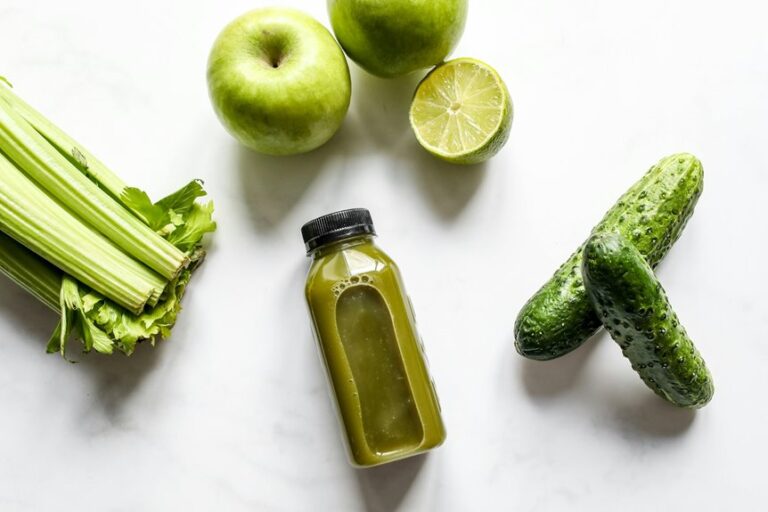
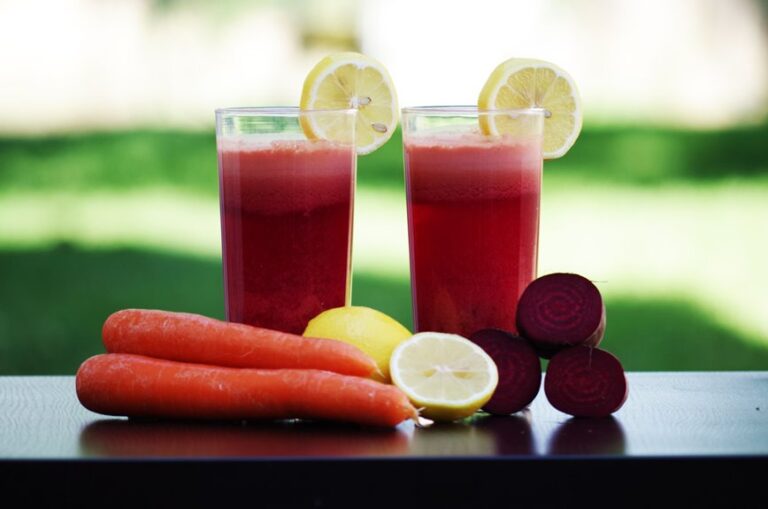
For juice, pick crisp, watery produce like apples, cucumbers, celery, oranges, carrots, and beets. They release plenty of liquid and taste bright.
For smoothies, choose bananas, mangoes, avocado, peaches, and pineapple, since they blend into a creamy base that feels satisfying.
Then add spinach, kale, or romaine for leafy combinations that enhance color without taking over the flavor.
If you want a sweet mix, try berry pairings with yogurt, milk, or oats. You can also swap in ginger, lemon, or mint to lift the taste.
Whenever you match produce to the method, you make drinks that fit your style and keep you feeling at home.
Juicing Vs Blending: Cost, Time, And Cleanup
Cost, time, and cleanup can make juicing feel like a bigger project than blending, and that matters as soon as you’re trying to fit healthy habits into a real day. Whenever you want something that fits your rhythm, you’ll notice the gap fast.
Juicing often needs more ingredient prep because you wash, peel, and chop with care. Blending usually moves quicker and feels friendlier on busy mornings.
- Juicers cost more up front, and the parts need regular equipment upkeep.
- Blenders often save money, since you’ll use them for more than drinks.
- Juicing takes longer because you feed produce slowly.
- Cleanup is lighter with a blender, while a juicer can leave extra parts and pulp.
How To Choose The Right One
Choosing between juicing and blending becomes easier when you match the drink to your goal, your appetite, and your daily routine. If you want a light, fast sip, choose juice. If you need a more filling snack, choose a blend.
| Choice | Best fit |
|---|---|
| Juicing | Quick vitamins, less fiber |
| Blending | More filling, more fiber |
| Juicing | Thin texture, easy to sip |
| Blending | Thick texture, better for busy mornings |
You can also consider budget-friendly options. A blender often costs less and offers more versatility for soups, sauces, and shakes. A juicer can feel more specialized, but it is more limited. Ask what best supports your routine, your taste, and your kitchen needs today.
Frequently Asked Questions
Can Juicing or Blending Affect Blood Sugar Differently?
Yes. Juicing can raise your glycemic response faster because it removes fiber, while blending keeps fiber, slows absorption, and supports steadier blood sugar. You still get nutrient absorption, but with less of a spike.
Does Blending Keep More Nutrients Than Juicing?
Yes, blending usually keeps more nutrients than juicing. You retain more fiber and overall nutrient content because the whole produce stays together. About 95% of the fruit or vegetable remains in your drink, so you get a fuller, more nourishing result.
Which Method Is Easier to Digest?
Juicing is usually easier to digest because it removes most fiber, so it may feel gentler if you have stomach sensitivity. Blending keeps the fiber, which can support digestive comfort, but it may feel heavier for some people.
Can I Make Smoothies Without a Blender?
Yes, you can, and you can still make a satisfying smoothie. Try a mason jar shake, a hand mash method, or a shake and stir combo with soft fruit, yogurt, and milk. The result will not be silky, but it will work well enough.
Is Juicing Better for Consuming More Vegetables?
Yes, juicing can help you increase vegetable intake because you can pack more produce into one glass. You may drink it faster, but you lose fiber, so it will not keep you as full.