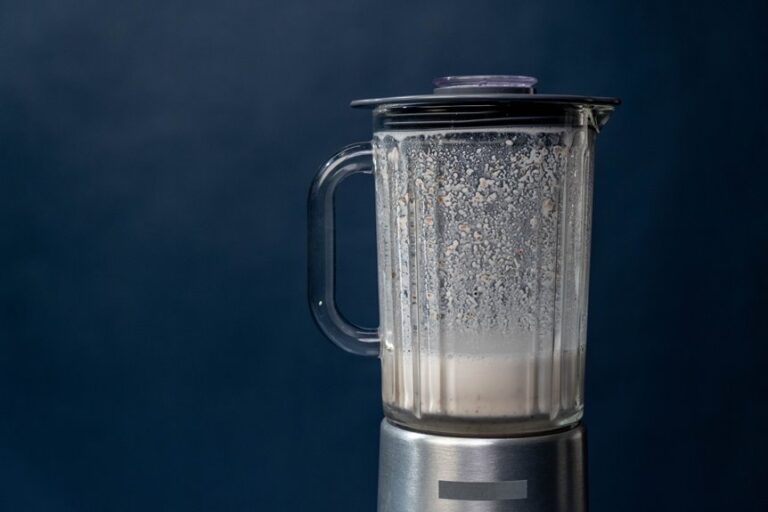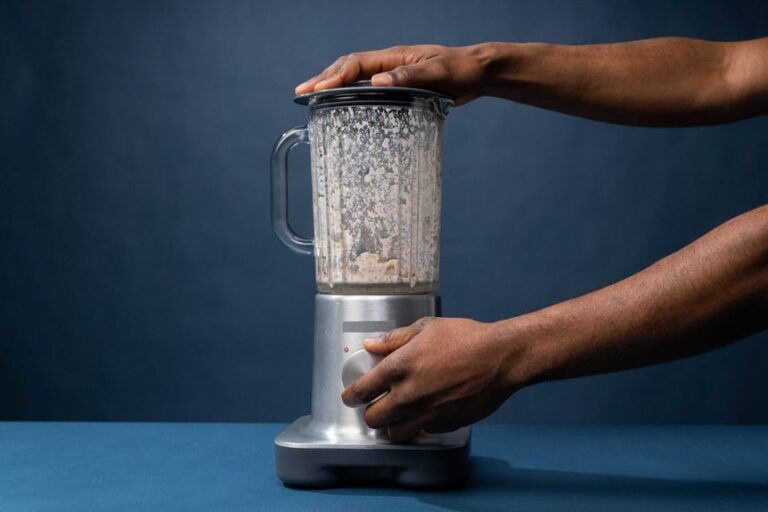
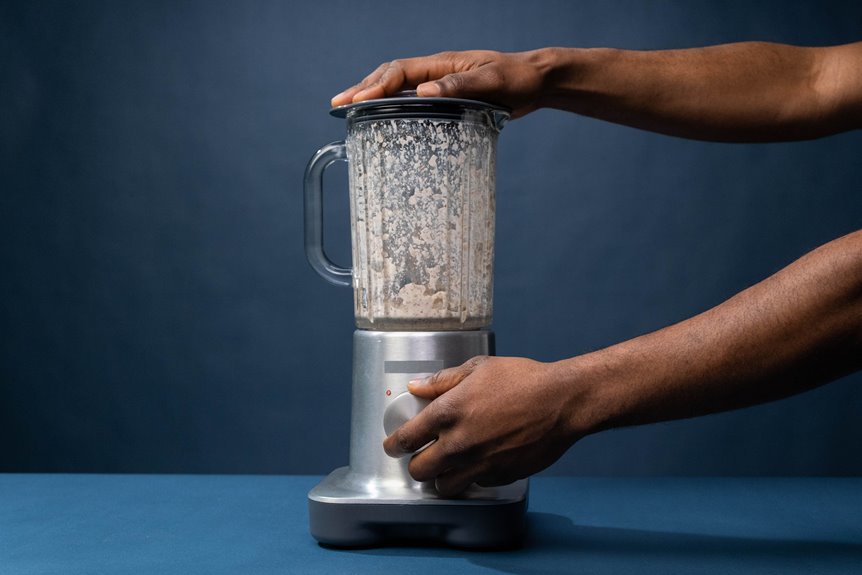
You may notice the same odd smell from your blender right after making a smoothie, and that is no coincidence. Food bits, wet seals, and trapped moisture can turn a clean-looking jar into a sneaky odor source. The helpful part is that you can fix it fast with a few simple steps, and the trick starts with what you do right after blending.
How to Get Smells Out of a Blender Fast
When you need the smell gone fast, start with the easiest fix first: a warm water and dish soap rinse. Fill the jar halfway, blend for about 30 seconds, then rinse it well. This quick reset lifts leftover bits that hide in the corners, and it gives you a fast refresh without much effort.
If the odor still lingers, move to a second round with warm water and a little baking soda or lemon juice. That step helps clear the last stubborn notes and leaves the jar smelling cleaner.
Don’t forget the lid and gasket, since they can hold onto the smell. Dry every part fully before you put it back together. Act quickly, protect your blender, and keep your kitchen feeling fresh.
Common Causes of Blender Smells
You might notice blender smells start with food residue stuck under the blade, in the lid, or along the gasket, where tiny bits can hide and spoil. Sometimes the jar also smells odd after the motor works too hard, which can leave a hot, burnt scent behind. When your blender sits damp after washing, mold and mildew can join the mix and make the smell much worse.
Food Residue Build-Up
Food residue is the main cause of most blender odors. When a little smoothie, sauce, or nut butter is left behind, it clings to the jar and blades. That sticky layer traps smells quickly, so residue should be removed right away.
Start by rinsing with warm water and a few drops of soap, then blend for 30 seconds. After that, scrub the jar carefully around the gasket, lid, and blade area. If the smell persists, soak the parts a little longer and repeat the wash.
This isn’t about being overly cautious, it’s about keeping your blender fresh and your kitchen more welcoming. Small habits matter, and quick cleanup prevents yesterday’s lunch from becoming tomorrow’s science project.
Motor Overheating Odors
Sometimes the smell coming from your blender has nothing to do with the last recipe and everything to do with heat from the motor. When you run it too long, motor overheating can give off a hot, dusty scent that feels sharp and uneasy. You can help by stopping the blender, unplugging it, and letting it rest.
Give the base room to breathe, and wipe away dust around the vents with a dry cloth. If you notice the smell again, check for thick mixtures that strain the blades and slow the motor. Shorter blending bursts usually work better.
Also, keep the blender on a hard, open surface so air can move under it. Letting the base cool between uses helps you stay ahead of that burnt odor and keeps your kitchen feeling calmer.
Mold And Mildew
Whenever a blender keeps smelling bad even after you have washed it, mold and mildew may be the real problem. You aren’t alone, and this happens when damp bits hide under the blades, lid, or gasket.
For mold prevention, dry every part fully after each wash. A quick mildew inspection helps you spot gray spots, slimy film, or a musty smell before it spreads.
- Rinse the jar with warm water and dish soap right after use.
- Remove the lid and gasket, then let them air dry upside down.
- When you see growth, soak the parts in vinegar, scrub gently, and rinse well.
When you care for it this way, your blender feels fresher, and you’ll feel more at home in your kitchen.
Clean the Blender Right After Use
The fastest way to stop blender odors is to clean the jar right after you use it. That immediate rinsing makes post use cleanup feel easy, not like a chore you keep putting off. Fill the jar with warm water and a few drops of dish soap, then blend for about 30 seconds.
| Step | Time | Result |
|---|---|---|
| Rinse now | 1 minute | Loosens fresh residue |
| Soap blend | 30 seconds | Lifts smell from the jar |
| Rinse again | 1 minute | Clears soap and food bits |
As soon as you act fast, you keep food from sticking and smelling sour later. You also make the next smoothie feel fresh for everyone in your kitchen crew. If you wait, smells settle in, and cleanup gets more difficult. Dry the jar after rinsing, and you will stay ahead of odors with less effort.
Wash the Jar, Lid, and Blade Base
After you have cleaned the jar right away, give the rest of the blender the same care so odors don’t return. Wash the lid, gasket, and blade base with warm water and dish soap, then scrub gently around seams where food likes to hide. These washing steps matter because tiny bits can cling in places you can’t see.
- Rinse the lid well, especially under flaps and in corners.
- Wipe the blade base with a damp cloth, and don’t soak it.
- Check the gasket, then wash it separately if it comes off.
You aren’t being fussy, you’re protecting your kitchen tool from stale smells. Dry every part fully before putting it back together, and you’ll keep your blender fresh and ready for the next smoothie.
Use Baking Soda to Remove Blender Odors
Baking soda can help when your blender still smells like last week’s smoothie, and you don’t need much to make it work. Mix 1 tablespoon with warm water, then blend for about 30 seconds so the freshener reaches the spots your sponge missed.
If the smell lingers, make a baking soda paste with a little water and coat the jar, lid, and gasket. Let it rest overnight for deodorizing, then scrub gently and rinse well.
This simple step helps you remove the odor and keep your kitchen fresh. Dry every part fully after rinsing, because moisture can let smells return. If needed, repeat the treatment once more for stubborn blender odors.
Try Vinegar for Stubborn Blender Odors
If baking soda didn’t fully remove the smell, use white vinegar to address what remains.
Fill the jar halfway with equal parts vinegar and water, then blend for about 20 to 30 seconds so the mixture can reach trapped odor spots.
Let it sit for a few minutes, or longer for stubborn smells, then rinse thoroughly so the vinegar scent doesn’t linger.
Vinegar Soak Method
When a blender keeps holding onto a sour or stale smell, a vinegar soak can help cut through it fast. Fill the jar halfway with equal parts white vinegar and water, then let it sit while the acid does the odor-neutralizing work. If the smell feels stubborn, an overnight soak gives you extra help with little effort.
- Swirl the mix gently so it reaches the corners.
- Let the lid and jar rest together if they fit safely.
- Rinse well after soaking, then dry the parts completely.
If the smell lingers after smoothie days, you aren’t alone. This simple step fits right into your routine, and it can make your blender feel fresh again without much fuss or fancy tools.
Neutralize Lingering Smells
Some blender smells can linger even after a basic rinse, which can be frustrating when you want your kitchen to smell clean again. You can remove stubborn odors with white vinegar and warm water. Fill the jar halfway, blend briefly, then let the mixture sit so it can break down trapped smells.
If the scent still remains, repeat the soak overnight for deodorizing. After that, rinse well and dry every part completely. For extra help, leave activated charcoal in the empty jar, since charcoal can help absorb hidden odor. This works best when you also wash the lid, gasket, and blades. A few careful steps like these can help your blender smell fresh again.
Deodorize a Blender With Lemon or Citrus
Lemon or citrus can give your blender a much cleaner smell fast, and it’s a good choice when you want freshness without a harsh chemical scent. You can use this simple lemon rinse to restore citrus freshness and make your kitchen feel more welcoming.
- Fill the jar with warm water and a few lemon slices or a splash of lemon juice.
- Blend for 20 to 30 seconds so the bright scent spreads through the jar.
- Rinse well, then repeat once if you still notice a stale smell.
If you prefer a lighter scent, use orange or lime instead. This works best after a basic wash, because clean surfaces hold the fresh smell better. When you finish, dry the jar fully so the new aroma lasts longer.
Remove Odors From Blender Seals and Gaskets
You can reduce a lot of blender odor by paying close attention to the rubber seals and gaskets, since they can trap tiny bits of food that a quick wash often misses.
Remove the parts if your blender allows it, then wash them with warm, soapy water so you can reach the hidden edges.
If the smell still lingers, a short soak in baking soda or vinegar can help clear out those stubborn gaps.
Clean Rubber Seals
If your blender still smells after a quick wash, the rubber seals and gaskets are often the main cause. Start with a close inspection of the seal, then lift each ring and wash it in warm, soapy water. You aren’t just cleaning parts, you’re helping keep your blender in good condition and your kitchen running smoothly.
- Rub the seal with your fingers to find sticky spots.
- Soak it for 15 minutes, then rinse well.
- Dry it completely before putting it back.
Use a soft brush for small grooves, but don’t scrub so hard that you damage the rubber. When you treat these parts gently, you help prevent old food smells from lingering and keep every blend fresher.
Deodorize Hidden Gaps
Concealed gaps can trap smells long after the jar looks clean, especially around the blender seals and gaskets where food bits like to hide. You can lift the seal and wipe concealed crevices with warm, soapy water, then rinse and dry well. For stubborn trapped particles, let a baking soda paste sit for 10 minutes before you scrub.
| Spot | What to do | Why it helps |
|---|---|---|
| Seal edge | Wipe carefully | Reaches tight spaces |
| Gasket groove | Soak briefly | Loosens stuck residue |
| Blade ring | Brush gently | Clears trapped particles |
Next, check the lid and the underside of the gasket, since odors often cling there. If smells remain, repeat the soak and dry all parts fully. You will protect your blender and help it feel fresh again.
Safely Clean the Blade Assembly
Because the blade assembly holds onto tiny bits of food, it often keeps the strongest blender smells. Start with blade safety. Unplug the blender, then follow the disassembly instructions in your manual before lifting out the blade unit.
- Rinse the blades under warm water right away to loosen stuck bits.
- Wash the assembly with dish soap and a soft brush, keeping your fingers clear of the edges.
- Soak only removable parts in soapy water for 15 to 20 minutes, then dry them completely.
Handling the blades carefully protects you and helps your blender work properly again. If residue still hides around the seal, clean those spots gently and reassemble the blender only after every piece is fully dry.
Remove Burnt Smells From the Base
A burnt smell in the blender base can feel stubborn, but you can usually reduce it with careful cleaning. First, unplug the blender, then wipe the outside with a lightly damp cloth. For motor base care, use a cotton swab to reach seams, vents, and the area around the dial.
If you notice sticky spots, add a tiny drop of mild soap to the cloth, not the base. Dry residue can hold heat marks, so move slowly and check every corner. For burnt odor removal, let the clean base rest in open air with a little baking soda nearby. This helps freshen the space without touching the motor.
If the smell persists, repeat the wipe down after the blender cools fully.
Dry Blender Parts Thoroughly After Washing
Once you finish washing the blender, drying every part well can make a big difference in how it smells later. You want every corner dry because trapped water can bring back that musty aroma fast. Try these moisture removal tips:
- Pat the jar, lid, and gasket with a clean towel.
- Set the parts on a rack for air drying, so water can drip away.
- Check around the blade area and edges, since those spots can hold hidden droplets.
If you’re in a hurry, flip the jar so air reaches inside. Then let the parts sit until they feel fully dry, not just mostly dry. That extra minute helps keep your blender fresh and ready.
It also helps you maintain your kitchen equipment properly.
Store Your Blender With the Lid off
Leaving the lid off your blender after cleaning is one of the easiest ways to keep odors from coming back.
When you store it openly, air can move through the jar and dry out hidden moisture. That airflow helps prevent stale smells from settling into tight spaces. Set the jar upside down on a clean rack, and let the base and lid dry separately as well.
This makes it harder for damp crumbs to linger, which means your next smoothie won’t pick up a leftover odor. If your kitchen feels busy, set aside a small spot for this habit. It’s simple, and it helps ensure your blender is ready for the next use.
When to Replace Blender Parts
If your blender still smells after a thorough cleaning, it may be time to replace a worn part instead of scrubbing it repeatedly. You aren’t failing at cleanup; some odors remain in cracked rubber and scratched plastic. Look for signs of wear such as a loose lid, a cloudy gasket, a chipped blade ring, or stains that don’t fade. Replacing parts can help you feel confident again when you blend for your family or prepare your morning routine.
- Replace the gasket if it feels brittle or smells musty.
- Swap the blade assembly if residue collects underneath it.
- Get a new lid if it no longer seals tightly.
If a part continues to hold odor, fresh pieces can bring your blender back into the group of kitchen tools you trust.
Frequently Asked Questions
How Often Should I Deep-Clean My Blender to Prevent Odors?
You should deep-clean your blender weekly, or sooner if you blend strong-smelling foods. A regular cleaning schedule and consistent maintenance help prevent odors, so you can use it confidently every day.
Can I Use Bleach to Remove Blender Odors Safely?
You can, but you probably should not. Bleach is not a safe choice for food contact parts, and if it is not rinsed thoroughly, it can leave a hazardous residue. Soap, vinegar, or baking soda are better options.
Why Does My Blender Still Smell After Multiple Cleanings?
You’re likely missing trapped residue under the blades, lid, or gasket. A damaged seal can trap odors and keep smells coming back. If the motor housing smells, clean carefully, dry everything fully, and repeat a deep cleaning.
How Do I Deodorize a Blender Without Removing Any Parts?
You can use the steam rinse method, then try a baking soda soak. Fill the jar with warm water, blend briefly, dump it, and repeat with baking soda. You will freshen it without taking anything apart.
What Foods Cause the Strongest Blender Odors?
You’ll notice the strongest odors from garlic and onion blends, pungent spice pastes, and other highly aromatic foods like curry or roasted cruciferous vegetables. Their oils cling fast, so you should clean the blender quickly after use.