As I first squeezed an orange and got a glass that tasted brighter than store-bought juice, I learned that sweetness can come from the fruit itself. You can make fruit juice without added sugar by choosing ripe, juicy fruit, using the right tools, and balancing flavor with citrus, mint, or ginger. The key is in the prep, the blend, and the small choices that turn plain fruit into something you will want to finish quickly, but there is one step that makes the biggest difference.
Choose the Right Tools
Start with the right tools because they make no-added-sugar juice much easier and a lot less messy. You’ll feel more confident when you have a sharp knife, a cutting board, a fine strainer, and a clean bowl ready.
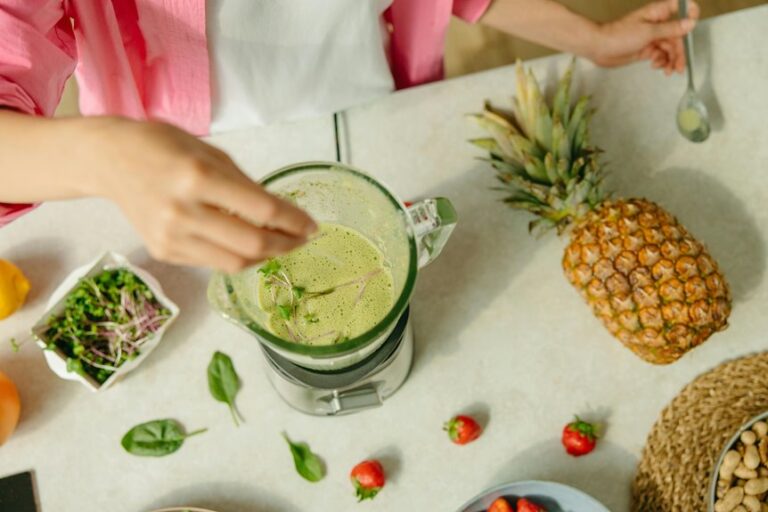
A manual juicer works well for oranges and other citrus, and it keeps the process simple when you want fresh juice fast. If you prefer more flexibility, consider a blender, since it helps break down softer fruit before you strain it. Use a sturdy pitcher or jar too, so you can pour without spills. With these basics in place, you’ll move smoothly from prep to pouring, and that easy flow makes the whole kitchen feel more welcoming.
Pick the Sweetest Fruits
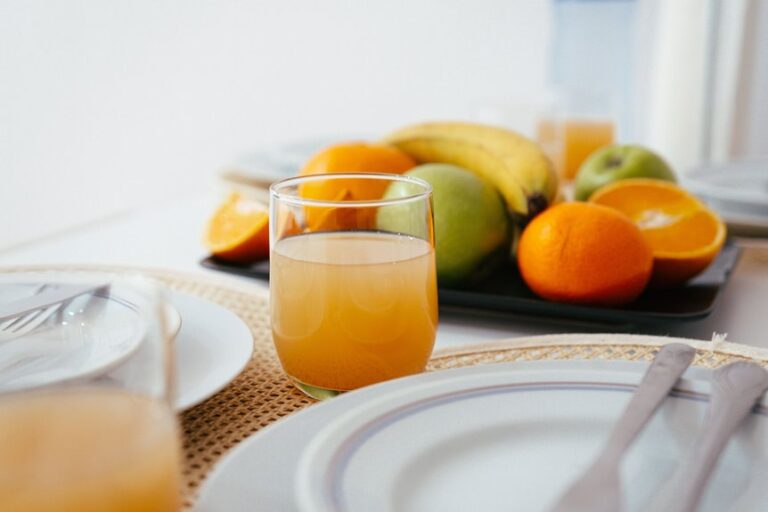
Pick fruits that are fully ripe because they’re naturally sweeter and give your juice a fuller taste without extra sugar. You can choose soft oranges, juicy grapes, mangoes, or ripe berries whenever you want more flavor from the fruit itself. If you mix a sweet fruit with a tart one, the juice will stay bright and balanced without needing added sweetness.
Choose Ripe Produce
Whenever you want fruit juice without added sugar, the fruit you choose matters more than almost anything else. You’ll get a better glass when you start with produce that feels soft, smells fragrant, and shows a ripe fruit texture. Give each piece a gentle squeeze, because firm fruit often tastes flat, while ripe fruit brings fuller flavor and less need for extras. If you spot overripe sweetness benefits in berries, peaches, or plums, use them soon for juicing, since they can add welcome depth.
Still, pick fruit that’s clean and not spoiled, so your juice stays bright and pleasant. When you gather a mix of ripe fruit, you build a simple habit that makes homemade juice feel warm, shared, and easy to enjoy together.
Natural Sweetness Levels
A handful of fruits can change your whole juice, so it helps to know which ones bring the most natural sweetness. You will taste the biggest lift from oranges, grapes, mangoes, pineapple, and ripe watermelon. As fruit ripens, its natural sugar becomes easier to notice, so your juice feels fuller without extra sweeteners.
| Fruit | Sweetness | Best use |
|---|---|---|
| Mango | High | Smooth blends |
| Grapes | High | Quick juicing |
| Orange | Medium high | Bright base |
| Berries | Medium | Mix with apples |
Pick soft, juicy fruit because that is where the flavor lives. Then pair a sweet fruit with a tart one, such as berries with apples, and you will keep the juice friendly, balanced, and easy to love.
Choose Juicy Fruits and Produce
Choose ripe, juicy fruit that feels soft and smells sweet because that’s where natural flavor really shines.
You can also add watery produce like oranges, watermelon, or berries to increase juice without reaching for sugar.
When you mix sweet fruit with a little tart produce, you get a brighter taste that feels fresh and balanced.
Pick Ripe, Sweet Fruit
The sweetest juice starts with the right fruit, and that choice matters more than many people realize.
When selecting fully ripe fruit, trust your senses. Look for rich color, a slight give, and a fresh aroma. For soft, juicy varieties, choose mangoes, peaches, plums, berries, oranges, or grapes, because they bring more natural sweetness to the glass. You’ll get better-tasting juice when you skip hard, pale fruit that still needs time.
Choose fruit at its peak, and if it’s slightly overripe, it can still work as long as it smells clean and tastes bright. A little patience pays off here, because ripe fruit needs less adjustment and gives you a smoother, fuller flavor without added sugar.
Add Naturally Juicy Produce
Ripe fruit gives you a strong start, but juicy produce can make your juice feel fresh, smooth, and easy to drink without any added sugar.
As you mix in juicy fruit varieties and produce with high water content, you help the blender move better and keep the flavor lighter.
This approach works well for people who want bright, clean juice.
- Add watermelon or oranges for extra liquid.
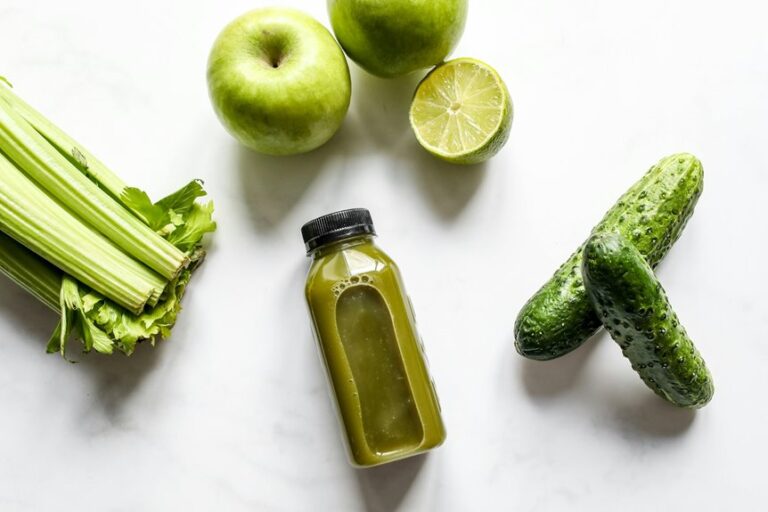
- Mix berries with cucumber or celery for a softer sip.
- Use pineapple or grapes to lift sweetness naturally.
You can also keep peel-free pieces small so they break down quickly.
This simple step helps you create juice that feels balanced, approachable, and easy to share at the table.
Make Sugar-Free Fruit Juice
Whenever you want sweet juice without adding sugar, start with fruit that already tastes rich and ripe because that natural flavor does most of the work for you. Check juice labeling basics so you know that “100% juice” is different from drinks with sweeteners.
Then use sugar free ingredient swaps such as ripe grapes, mango, or apples instead of syrup. Wash, peel, and cut the fruit, then blend it with a little water or run it through a juicer.
If the taste feels flat, mix in a tart fruit or a few berries for balance. Strain it for a smoother pour, chill it quickly, and keep servings small. You’ll have a fresh, simple glass that tastes good on purpose.
Use Citrus to Brighten Flavor
Citrus can brighten a flat juice quickly, so add a squeeze of lemon or lime whenever the flavor feels dull. If you want even more lift, try a little citrus zest, since it adds a bright aroma without extra sugar.
Taste as you go, because a small splash can help your fruit blend feel fresher and more balanced.
Citrus Zest Boost
A splash of lemon or lime can do a lot of work whenever your juice tastes flat, and that little burst of acidity often lets you use less fruit overall. You aren’t just adding sourness. You’re building a brighter cup that feels like it belongs at your table.
- Grate a little zest for aroma improvement.
- Squeeze in juice and stir to release the citrus oils.
- Taste, then add a little more if your fruit still feels dull.
When you use the peel carefully, you get a lively scent and a cleaner finish without any sugar. That small upgrade can make simple apple, berry, or pineapple juice feel fuller and more welcoming.
If you’re sharing with friends or family, this trick helps everyone enjoy the same fresh, sunny flavor together.
Fresh Juice Balance
How do you keep fruit juice bright without reaching for sugar? Use citrus. A squeeze of lemon or lime wakes up dull fruit and gives your glass a clean finish.
If your juice tastes heavy, add a little citrus, then taste again. You can also dilute the juice with cool water to soften sharp edges without losing flavor.
Keep the serving temperature cold, because chilled juice tastes fresher and feels more lively on your tongue. When you balance sweet fruit with a tart lift, you make every sip feel friendlier and more complete.
That small change helps you enjoy juice with other people, not just by yourself, and it keeps the flavor clear, crisp, and natural.
Blend or Juice the Fruit
Once your fruit is washed and chopped, you can decide whether to blend it or juice it, and that choice shapes the taste, texture, and yield of your drink.
If you want a fuller sip, use blending techniques with a splash of water to help the fruit move. If you want a cleaner pour, use a juicer for quicker extraction and less pulp.
- Blend soft fruit like mango or berries for a thick, cozy drink.
- Juice oranges, apples, or grapes when you want bright flavor fast.
- Mix both when you want your juice to feel balanced and easy to enjoy.
Either approach works. Choose the style that fits your kitchen and your people.
Strain for a Smoother Texture
For a smoother juice, strain it after blending so you can catch extra pulp and tiny bits that can make each sip feel heavy. Use a fine mesh strainer, cheesecloth, or sieve over a bowl or pitcher, then pour slowly so the liquid moves through evenly. If you want more juice, press the pulp with a spoon or clean hands.
That gentle pressing helps you recover the last sweet drops without adding anything extra. You’ll end up with a cleaner texture that feels easier to sip and share. If your drink still seems thick, strain it once more.
This small step can make your homemade juice feel polished, fresh, and welcoming, like it belongs right on your table.
Balance Tart and Sweet Fruits
Balancing tart and sweet fruits can make your juice taste bright without added sugar. You don’t need fancy tricks, just a smart sweet and tart pairing. Start with ripe apples, mango, or oranges, then add berries, kiwi, or plum for a lively edge. That combination helps the juice feel fuller and less flat.
- Try two parts sweet fruit to one part tart fruit.
- Taste, then add more tart fruit if the juice feels too heavy.
- Use flavor contrast basics to keep each sip fresh and balanced.
When you mix them well, your juice feels like it belongs at the table. You get balance, color, and natural sweetness that tastes real, not forced.
Boost Flavor With Herbs and Spices
Mint, cinnamon, and a few other herbs and spices can wake up fruit juice when the fruit alone tastes a little shy. You can add a mint infusion for a cool lift, or stir in a pinch of cinnamon for warmth that feels cozy, not sugary. That small change helps give your juice a real signature.
| Herb or Spice | Best With | Effect |
|---|---|---|
| Mint | Apple | Fresh taste |
| Cinnamon | Pear | Warm depth |
| Basil | Strawberry | Bright edge |
| Ginger | Orange | Sharp kick |
| Cardamom | Mango | Soft perfume |
Try a cinnamon garnish on top, too. It looks polished and helps every glass feel made for you. Keep the flavor light so the fruit still leads and your crowd stays happy.
Store Homemade Juice Properly
A bright flavor from mint or cinnamon can make homemade juice taste lively, but proper storage helps that fresh taste last longer. Use airtight storage in clean glass jars, and leave a little space at the top. Chill it quickly, because refrigeration timing matters more than you might think.
- Pour the juice in right after straining.
- Seal the lid tightly so air can’t get in.
- Place it in the fridge and keep it cold.
If you make extra, label the jar with the date so you know when to use it.
You can pour a small glass later and still enjoy that fresh, homemade feeling without the flat aftertaste.
Avoid Common Sugar-Free Mistakes
Even when you skip added sugar, a few small mistakes can make homemade juice taste flat, bitter, or oddly watery.
You can avoid that by choosing ripe fruit, because firm fruit never delivers the same natural sweetness. Don’t rely on misleading sugar claims on packaged drinks, since “no added sugar” can still mean plenty of fruit sugar. Also, watch for overprocessing. When you blend too long or strain too much, you can lose body and flavor, and your juice can become thin. Instead, wash, peel, and cut fruit before juicing, then taste and adjust with lemon, mint, or a little water. When you keep the process simple, you make juice that feels fresh, balanced, and easy to enjoy with others.
Try Easy Fruit Juice Combos
Should you want juice that tastes bright without added sugar, easy fruit combos can do most of the work for you.
You can rely on basic fruit pairing principles to match sweet fruit with tart fruit, so the flavor feels lively and familiar. Try these simple mixed juice ideas:
- Orange with berries for a cheerful, tangy blend.
- Apple with pineapple for a soft, sunny sweetness.
- Watermelon with lime for a cool, fresh sip.
You can mix ripe fruit, then blend or juice it right away. When you’re sharing with friends or family, these combos are easy to enjoy and easy to serve.
A few smart pairings can make your glass taste full, balanced, and welcoming without making you reach for anything extra.
Adjust Sweetness Naturally
Whenever you want juice to taste sweeter without adding sugar, start by changing the fruit, not the recipe.
You’ll get better results when you choose ripe oranges, grapes, mangoes, or plums, because soft fruit usually brings more natural sweetness. Test fruit ripeness by gently pressing, smelling, and checking color so you don’t have to guess.
Then make a natural sweetness adjustment by blending sweeter fruit with a little tart fruit, such as berries or lemon, to keep the flavor bright. If the juice still tastes sharp, add a splash of coconut water or a few more ripe pieces instead of sweetener.
Since you’re building flavor from the fruit itself, you can make a drink that fits your crowd and tastes balanced.
Frequently Asked Questions
Can I Make Fruit Juice Without a Juicer or Blender?
Yes, you can. Use simple kitchen tools like a bowl, fork, strainer, or cheesecloth to extract juice from ripe oranges or berries and enjoy fresh flavor without a juicer or blender.
Which Fruit Has the Lowest Natural Sugar for Juice?
Watermelon is usually one of the lowest sugar fruits for juice, especially among low sugar fruits. You can also mix it with lemon or cucumber for a lighter taste, and it will still stay naturally low in sweetness.
How Long Does Homemade Fruit Juice Stay Fresh?
You’ll usually keep homemade fruit juice fresh for 2 to 3 days in the fridge, but storage guidelines and freshness factors like ripeness, cleanliness, and airtight containers matter. Drink it sooner for the best taste.
Can I Freeze Sugar-Free Fruit Juice for Later?
Yes, you can freeze sugar-free fruit juice for later. This helps preserve flavor and reduces waste. Use airtight containers and leave some space for expansion.
Is Fruit Juice Without Added Sugar Safe for Diabetics?
It can be, but diabetic portion control is still important. Unsweetened fruit juice can still cause blood sugar spikes, so limit servings, choose lower-sugar fruits, dilute it, and check your glucose response.