Can you really blend oats in a blender, or do they turn into a dusty mess? Yes, you can, and the result depends on the oat type and your blender’s strength. Rolled oats usually blend well, instant oats go smooth fast, and steel-cut oats need more care. If you want oat flour, a few short pulses can do the trick, but there is one small catch that can change everything.
Can You Blend Oats in a Blender?
Yes, you can blend oats in a blender, and it’s one of the easiest ways to turn a simple grain into something more useful.
You can use blended oats for smoothies, oat flour, or a creamy bowl that feels more customized.
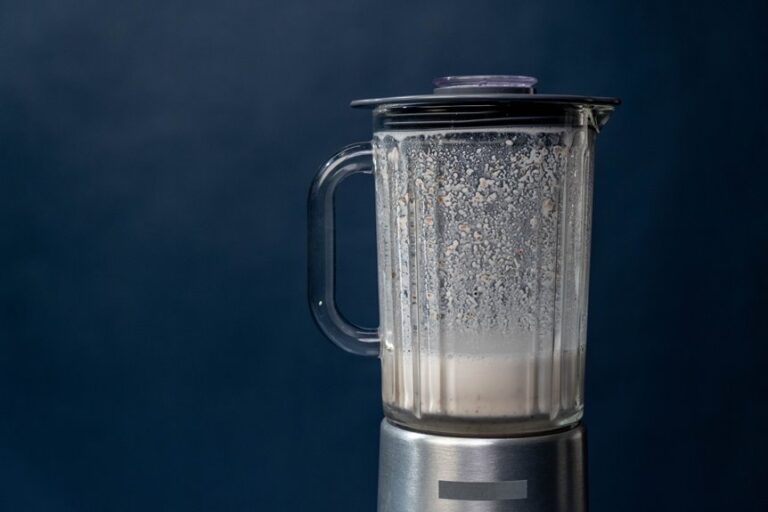
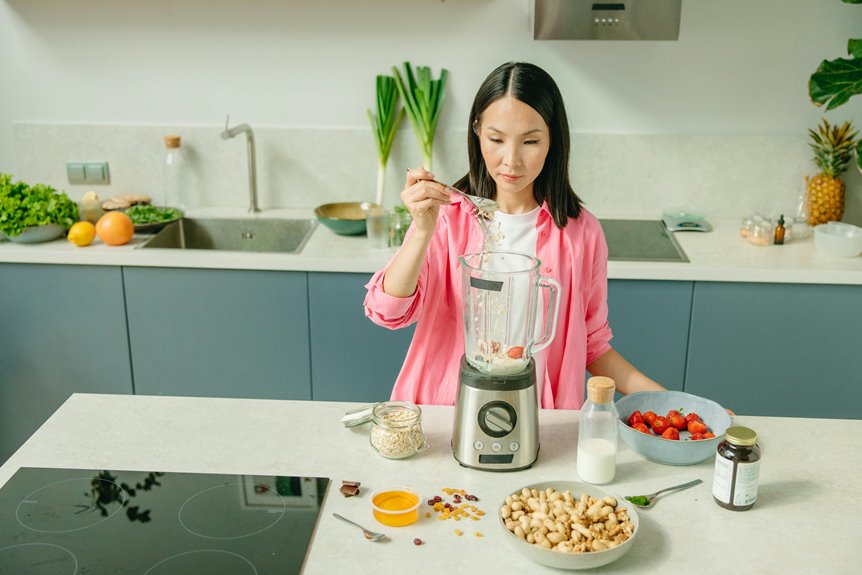
For the basics, start with uncooked oats and add them in a small amount so the blender has room to move. Pulse at first, then let the texture build gradually.
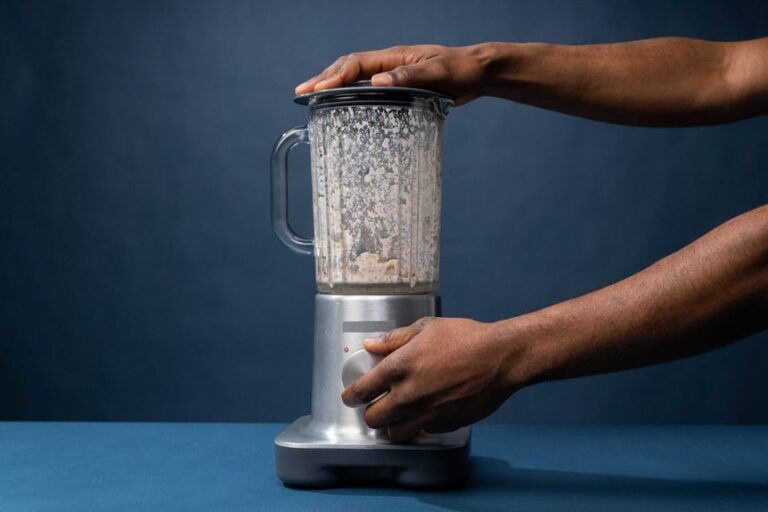
For safety, keep the lid secure, avoid overfilling, and stop if the motor sounds strained.
If you want a finer result, blend a bit longer, but don’t aim for perfection.
A quick blend can give you a texture that fits your recipe and your needs.
What Type of Oats Work Best?
Whenever you’re choosing oats for the blender, rolled oats are usually the safest all-around pick because they blend smoothly without much fuss.
You’ll get a soft texture for smoothies, blended oatmeal, or oat flour with little effort. If you want instant oat convenience, those oats break apart quickly and help create a very silky blend.
Steel-cut oats are different, because they stay harder and need stronger blending to reach a fine result. You can still use them, but they’re less forgiving.
For most kitchens, rolled oats give you the best mix of ease, taste, and texture. If you want a reliable start, reach for rolled oats and let your blender do the heavy lifting.
Should You Blend Rolled or Steel-Cut Oats?
When you’re deciding between rolled oats and steel-cut oats, rolled oats are usually the easier choice for blending because they break apart quickly and create a smoother result with less effort. You’ll notice better smoothness in smoothies, oat flour, and blended oatmeal, so they fit easily into your routine.
- Rolled oats blend in seconds and are more convenient on busy mornings.
- Steel-cut oats require more grinding time, so your blender has to work harder.
- When you want a softer texture, rolled oats are the better option.
Still, steel-cut oats can work when you want a coarser, heartier blend. Choose rolled oats when you want a smoother blend and a simpler process.
Do You Need to Soak Oats First?
You usually do not need to soak oats before blending them because the blender can break them down well on its own. For most recipes, soaking is not necessary, and dry blending has real advantages: faster prep, less waiting, and a cleaner routine. If you want a softer texture, you can still soak them, but skipping that step will not hold you back.
| Oats state | Best use | What you notice |
|---|---|---|
| Dry | Flour | Quick, even grind |
| Dry | Smoothies | Easy to mix |
| Soaked | Soft blends | Milder texture |
| Either | Everyday recipes | Flexible and simple |
You can choose what works best in your kitchen. If you are in a hurry, dry oats keep things simple. If you want extra softness, soaking can help, but it is optional, not required.
How to Blend Oats Into Oat Flour
A quick whirl can turn plain oats into a handy flour, and the process is easier than it sounds. Start with rolled or old-fashioned oats, then pour a small batch into your blender. Keep the jar about halfway full so the oats move well.
- Pulse first so the oats break up evenly.
- Blend again until the texture looks like soft powder.
- Sift out any larger bits if you want a finer finish.
For best oat flour ratios, use the amount your recipe calls for, since cup for cup oat flour can feel a little lighter than wheat flour. That makes it a good choice for homemade flour uses like pancakes, muffins, and quick breads. You’ll appreciate the mild, cozy flavor right away.
Best Blender Settings for Oats
For the best oat texture, start with a few quick pulses to break the oats up evenly without overworking them.
Then keep the blender on low speed and increase it gradually until the oats reach the grind you want.
This helps you stay in control and avoid turning them into flour when you only wanted a coarser blend.
Pulse For Even Grinding
When you blend oats, pulsing is often the best way to achieve an even grind without turning the whole batch into dust. Use short bursts to guide the oats toward a consistent particle size. This helps you stay in control and prevents the mix from becoming too fine too quickly.
- Add a small amount of oats at a time.
- Pulse, then pause to check the texture.
- Shake the blender jar so stray oats join in.
If you hear the blades racing ahead, stop and let the oats settle. Then pulse again. This simple rhythm helps you work more confidently in the kitchen.
With a few quick taps, you can make oats that suit your recipe, from coarse crumbs to smooth flour.
Use Low Speed
Low speed gives you the most control, so start there whenever you want oats that stay steady instead of flying into a noisy powder cloud. You’ll feel more relaxed as the blender eases in instead of rushing the job. This startup control helps the oats settle evenly, and it also gives your motor better protection, especially with a full cup or a stiff dry load.
Keep the lid on tight, then let the blades catch the oats before you raise the setting. Whenever you hear strain, pause and let the machine rest. That calm start can make the process feel more manageable.
From there, you can guide the blend with confidence and keep your oats moving in a smooth, controlled rhythm.
Adjust Texture Gradually
Next, fine-tune the texture by changing the blender speed little by little. That steady motion helps you stay in control, so you don’t jump from chunky oats to dusty flour in one rush. Pause at texture checkpoints and check for the feel you want.
- Use short pulses at first for gradual grinding.
- Increase speed only after the oats move freely.
- Stop and shake the jar whenever clumps stick.
Whenever you want a softer blend, add a splash of liquid and keep checking. For flour, let the blades work longer, but don’t walk away.
You’re building the texture with each quick change, and that gives you a result that fits your bowl, smoothie, or bake just right.
How Fine Should You Blend Oats?
The right oat texture depends on what you want to make, because a smoothie, a bowl, and oat flour each need a different grind. For most home recipes, aim for a texture that’s useful, not perfect.
If you want a hearty bite, stop while the oats still look a little grainy. If you want a softer blend, keep going until the mix turns sandy and even. When you need bake ready oat flour, blend until the powder looks light and uniform.
Check the sides of the blender, then pulse again so no large bits remain. The sweet spot is usually just fine enough for your recipe, but not so fine that it turns dusty.
Can You Blend Oats for Smoothies?
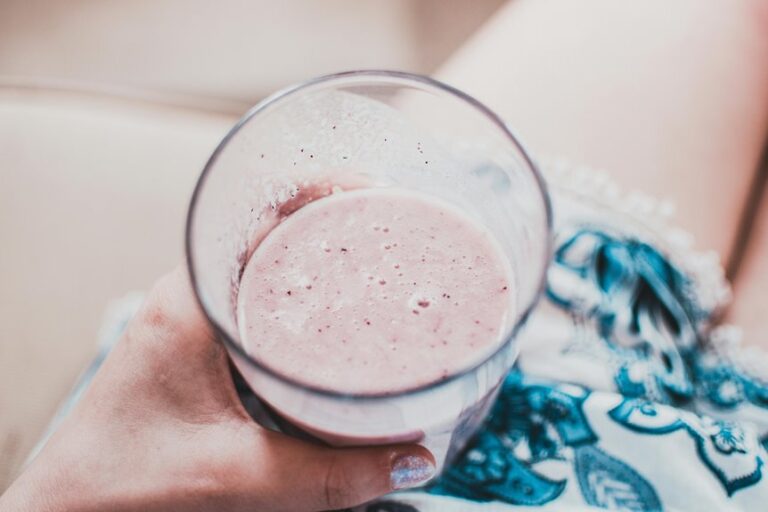
Yes, you can blend oats right into your smoothie, and they add a creamy texture that makes each sip feel a little more filling.
You don’t need to soak them beforehand, so they’re an easy option whenever you want extra body without extra effort.
If you use rolled oats, you’ll usually get the smoothest blend and the least gritty texture.
Oats In Smoothies
Oats blend beautifully in smoothies, and they can make your drink thicker, creamier, and more filling without much fuss. You can count on them as easy oat smoothie enhancers whenever you want creamy breakfast blends that feel comforting and simple.
- Add rolled oats for a smoother mix.
- Blend with fruit, milk, or yogurt.
- Start with a small scoop so you can match your taste.
If you like a fuller sip, oats fit right in with bananas, berries, peanut butter, or cinnamon.
You don’t need to soak them initially, so busy mornings stay calm. Just give your blender enough liquid to keep everything moving, and you’ll get a drink that feels like it belongs in your routine. This small step can make breakfast easier, warmer, and more satisfying.
Blending Texture Benefits
Whenever you blend oats for smoothies, you can change the whole feel of the drink in a useful way. You get texture improvement right away because the oats break down and help the drink feel fuller without becoming gritty. That matters whenever you want a smooth consistency that still feels satisfying.
If you use rolled oats, you usually get the best balance, since they blend evenly and don’t strain the blender. A high powered blender makes this easier, but even a basic one can work if you add enough liquid and pulse at first. You can also control the result by blending a little longer for a silkier sip or stopping sooner for a thicker, cozier mix. That flexibility helps you make a smoothie that feels suited to you.
Using Blended Oats in Baking
Using blended oats in baking gives you a simple way to make baked goods softer, richer, and more filling without much extra effort.
You can stir them into muffins, pancakes, and quick breads for a warm, homemade feel.
- They work well as a gluten free thickener in batters and fillings.
- They add a gentle oat flavor that feels familiar and comforting.
- They can improve the texture of crumb toppings, giving cakes and crisps a pleasant bite.
Because the oats are blended first, you can mix them into your flour or replace part of it.
As a result, your baked goods often hold moisture better and taste heartier.
If you want to feel more confident in the kitchen, this swap helps you bake with ease and make treats that bring people back for more.
How to Avoid a Gummy Oat Texture
When you have already used blended oats to make muffins, pancakes, or quick breads, the next step is getting the texture right so your batter doesn’t turn heavy and sticky.
Keep your portions small, because too many oats can absorb more liquid than you expect. Add oats slowly, then check the batter before adding more.
You should also watch the liquid balance closely. If the mixture looks thick and pasty, stir in a splash of milk, water, or yogurt until it moves easily.
Blend just until smooth, not longer, since extra mixing can make the oats swell and feel gummy.
For best results, let the batter rest briefly, then stir again. That short pause helps create a softer texture.
Common Oat-Blending Problems
You may notice the blender getting warm, the oats turning uneven, or bits of oats getting stuck around the blade.
When that happens, you can usually fix it by pulsing, adding a little liquid, or scraping down the sides.
These small problems are common, and they don’t mean you have done anything wrong.
Blender Overheating Issues
Blender overheating can happen quickly when oats are on the menu, especially during longer grinding sessions for oat flour. You can keep things under control by watching for motor strain and giving your blender short breaks. When you blend oats, the blades work hard, so a full jar can warm the base quickly. That’s why overheating prevention matters, even for simple recipes.
- Add oats in smaller batches.
- Pulse first, then blend in short bursts.
- Let the blender rest whenever the base feels hot.
When you need a finer result, pause and shake the container instead of running it nonstop. This helps protect the motor and keeps your kitchen routine smooth. With a little care, your blender stays ready, and you can keep making oat recipes without the stress.
Uneven Oat Texture
Even when your blender stays cool, oat texture can still become tricky fast. You may notice differences in particle size, with some oats turning silky and others staying gritty. That’s normal, and you aren’t doing anything wrong.
Uneven blending usually happens when the jar is too full, the oats are too dry, or the blades can’t move the mix evenly. To help, use rolled oats, start on low, then pulse before blending longer. If you want a smoother result, add liquid a little at a time so the oats move more easily through the blades.
For flour, keep blending until the mix looks steady and uniform. For breakfast bowls, a few tiny bits can still feel cozy and homemade.
Stuck Oats In Blade
Whenever oats get stuck around the blade, the blender can sound busy but do very little, and that can feel frustrating fast. You aren’t alone, and a quick pause usually fixes it.
For stuck oat removal, unplug the blender first, then tap the jar gently and scrape the sides with a spatula.
- Add less oats next time for blade jam prevention.
- Pour in a splash of liquid so the oats move.
- Pulse in short bursts instead of running it nonstop.
If you blend dry oats, keep the jar half full at most. That helps the blade catch the oats instead of packing them down.
A quick shake between pulses can also loosen clumps and keep your mix smooth, so your blender works more effectively in the kitchen.
How to Store Blended Oats Properly
Proper storage helps your blended oats stay fresh, safe, and ready to use, so it’s worth a little extra care right after you blend them.
Move the oats into airtight storage as soon as they cool, and keep the container sealed tightly. This helps protect shelf life and keeps out moisture, odors, and pantry pests. If you blend a fine oat flour, store it in a cool, dry cabinet away from heat and sunlight.
For longer storage, you can refrigerate it in a clean, labeled jar. Always use a dry spoon, because even a little dampness can cause clumps. Check the color and smell before each use so you can use it with confidence.
Easy Ways to Use Oat Flour
Once you have a jar of fresh oat flour ready, you can use it in all kinds of simple recipes without much effort. You can swap it into pancakes, muffins, and quick breads for a soft, cozy texture that feels familiar.
- Stir it into batter for a tender lift.
- Use it as a substitute when you run low on wheat flour.
- Try it in savory dishes such as veggie patties, biscuits, or as a light coating for chicken or tofu.
If you want a thicker soup or sauce, whisk in a spoonful at a time so it blends smoothly. You can also mix it into oatmeal cookies or breakfast bakes.
Small changes like these help you cook in a way that works for your kitchen and the people you cook for.
Should You Blend Oats or Buy Oat Flour?
So, should you blend oats or buy oat flour? Blend oats when you want more control, fresher results, and a lower cost. A blender lets you make only what you need for pancakes, muffins, or a quick smoothie.
It also helps you avoid the uncertainty of store-bought options, since some brands can be coarse or stale. Buying oat flour, however, saves time, which matters on busy days when you want breakfast to feel simple. If your blender isn’t very powerful, store-bought oat flour may also give you a finer, smoother texture.
The best choice depends on your kitchen and your budget.
Frequently Asked Questions
Can You Blend Oats in a Food Processor Instead?
Yes, you can blend oats in a food processor instead. You will get a different texture than you would from a blender. For best results, grind the oats in batches so you avoid clumps and get a more consistent texture.
Does Blending Oats Change Their Nutrition?
Yes, blending oats usually does not harm their nutrition much, and you will keep most of their fiber. Nutrient changes are minimal, though finer oats may digest faster. You still get a nourishing, familiar boost.
Can You Blend Oats With Hot Liquid?
Yes, you can blend oats with hot liquid, but you need to be careful about hot liquid safety and blender steam hazards. Blend gently, vent carefully, and follow basic safety precautions.
Will Blending Oats Make Them Easier to Digest?
Yes, blending oats can make them easier to digest by breaking them down, which may support digestion and stomach comfort. You may also feel less heaviness and enjoy a smoother, more gentle meal.
Can You Blend Flavored Oats Like Cinnamon or Maple?
Yes, you can blend flavored oats like cinnamon or maple, and they work well in sweetened blends. Their flavor profiles complement each other, giving you a cozy, welcoming result.