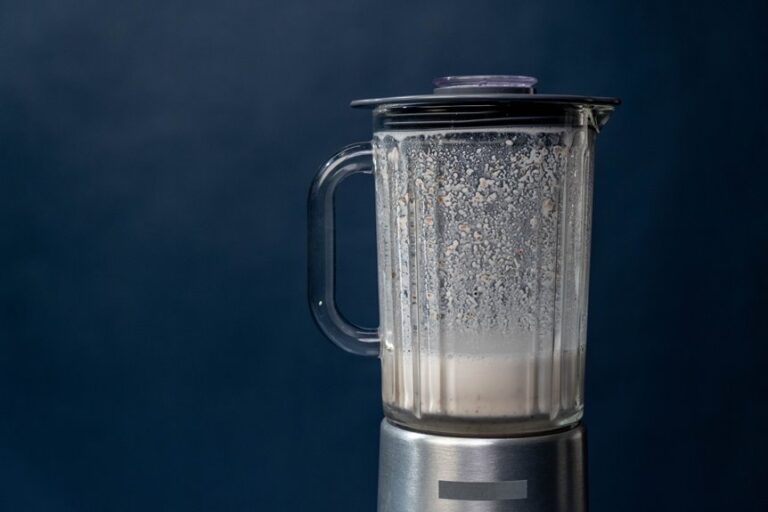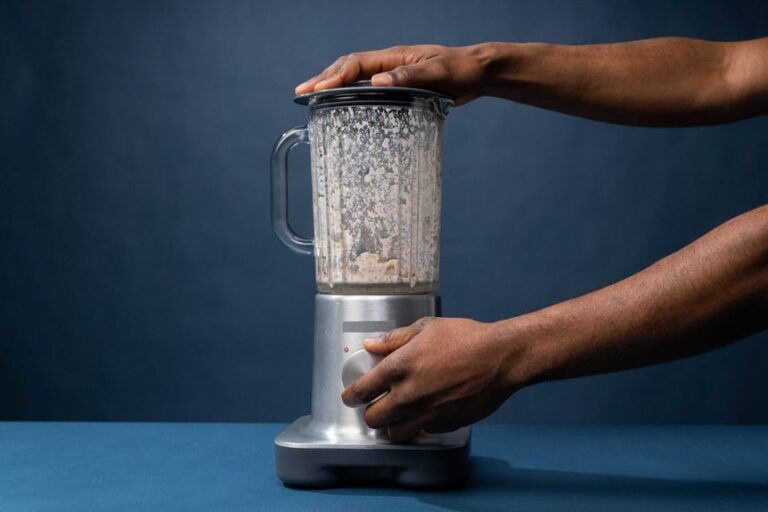
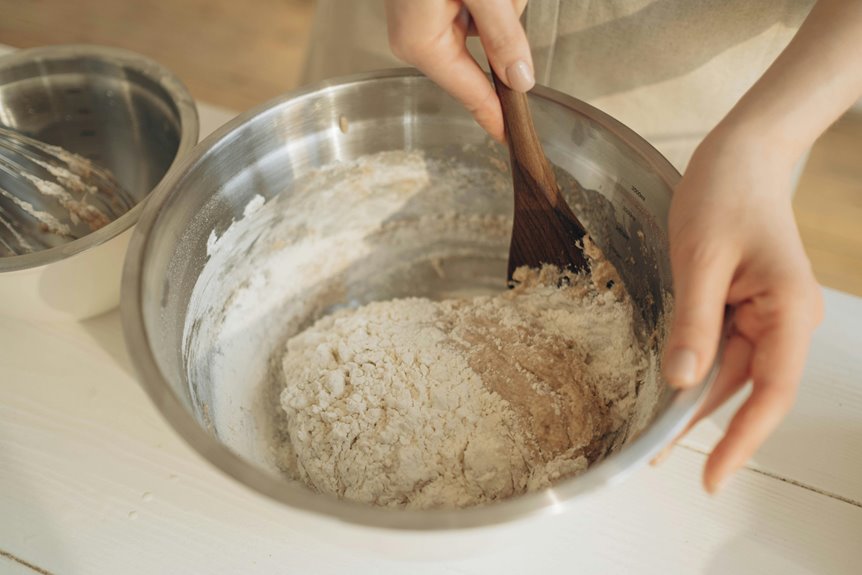
Can a blender handle dry ingredients, or will it turn your kitchen into a tiny dust storm? You can blend many dry ingredients safely if you use the right method, keep the jar dry, and work in small batches. Oats, sugar, coffee beans, quinoa, and spices often work well, but clumps and strain can appear quickly. The key is knowing which ingredients behave well and which ones do not, so one small mistake does not ruin the whole mix.
Can You Blend Dry Ingredients Safely?
Yes, you can blend dry ingredients safely as long as you use the right method and keep the batches small. Many home cooks do this every day.
First, make sure your blender is completely dry inside, then use pulse mode instead of a long run. That helps with motor safety and reduces the risk of overheating. Next, work in small batches so the blades can move the ingredients around without strain. Also, stop often and shake the jar if needed.
If you hear the motor laboring, pause right away. With a little care, you can mix dry ingredients confidently and keep your blender in good condition.
Best Dry Ingredients to Blend
When you have the safety basics covered, the next question is which dry ingredients work well in a blender. You’ll usually get the best results with rolled oats, brown rice, quinoa, sugar, coffee beans, and many spices.
For oat flour basics, start with small batches so the oats can move freely and become a lighter powder. Spice grinding tips matter too: toast whole spices, cool them completely, then pulse them in short bursts.
You can also blend dry baking mixes and protein powders when you want them evenly combined. Stick with ingredients that are hard, small, or grainy, and your blender will feel like part of the crew. Softer nuts can work, but they need extra care so they don’t turn oily too soon.
When Blending Dry Ingredients Works Well
You’ll get the best results when your dry ingredients need an even mix, such as baking blends, protein powders, or sugar with spices.
A blender can also help turn hard grains or coarse seeds into a finer powder, which makes them easier to measure and use.
Keep the batches small so the blades can move the ingredients around evenly.
Even Ingredient Distribution
Even mixing starts with simple motion, and that’s where blending dry ingredients can really shine.
You can build batch consistency as you give powders, grains, and sugar the same quick pulse. That helps ingredient layering disappear, so every scoop feels like it belongs in the same bowl.
- A cloud of flour settles evenly
- Oats and spices tumble together
- Sugar breaks apart and joins the mix
When you work in small amounts, you help the blades catch more of the dry mix instead of letting it sit apart.
As a result, your pancake mix or seasoning blend comes out smoother and more balanced. You don’t need fancy tools to feel prepared, just steady motion and a dry jar. That little rhythm makes your kitchen feel more connected.
Fine Powder Blending
Often, a blender works best when you want a dry mix to become a fine powder.
You’ll get the best results with spices, sugar, coffee beans, oats, or brown rice because these ingredients break down into a smoother powder consistency. For finer grinding, use small batches and pulse instead of running it continuously. This keeps the blades moving and helps prevent heat from building up. If you toast spices beforehand, let them cool before blending so they stay fragrant and don’t clump. You can also shake the jar gently between pulses to help everything settle. When you work this way, your blender feels less stubborn, and you get a texture that fits well into your kitchen routine.
How to Blend Dry Ingredients Evenly
To blend dry ingredients evenly, start with small batches and use short pulses so the mixture keeps moving.
Stop occasionally to scrape down the sides and break up any clumps, which helps everything mix more smoothly.
When you add ingredients in layers and blend in between, you get a more even result without turning the whole thing into a dusty snow globe.
Mixing Methods
A few simple mixing methods can help you blend dry ingredients evenly without ending up with clumps or a dusty patch at the bottom of the bowl. You can use the pulse blending technique whenever you want quick, even movement, since short bursts keep the mix from settling. Keep batch size control in mind too, because smaller amounts move more freely and are easier to manage.
- Tip the bowl and stir in circles.
- Lift and fold with a spoon.
- Shake the jar gently between pulses.
Whenever you switch from stirring to pulsing, you help every grain meet the others, so your mix becomes more uniform. That small change makes the whole task smoother.
Preventing Clumps
Even a small clump can affect your dry mix, so it helps to prevent them before they form. You can do this by sifting stubborn powders, breaking up lumps with a spoon, and checking for hidden pockets before you blend. Keep your jar completely dry, because moisture control matters more than you might think.
Use small batch sizes, since crowded ingredients don’t move well and tend to pack together. If you add lighter items first and heavier ones next, the blades can catch everything more evenly. Pulse in short bursts, pause, and shake the container gently between rounds. That brief reset keeps the mix loose and workable. With patience, your dry ingredients will come together smoothly, and the process becomes easier to manage.
Common Mistakes That Cause Clumps
Clumps usually appear when dry ingredients don’t move well in the blender, and that often happens because of a few easy to miss mistakes. You may have moisture pockets from damp measuring cups, or you may pour in uneven particle sizes that don’t break apart evenly. When the jar is packed too full, the mix can stall and trap flour in small pockets.
- A spoonful of brown sugar can hide hard nuggets.
- A scoop of oats can sit like pebbles on top.
- A dusty spice mix can cling to the jar walls.
When a Blender Is the Wrong Tool
| Sign | What You Notice | Why It Matters |
|---|---|---|
| Thick load | Ingredients stall | Poor movement |
| Hard particles | Loud rattling | Blade stress |
| Fine powders | Cloudy puffing | Messy cleanup |
| Long run time | Warm base | Motor overheating risk |
| Uneven mix | Clumps stay | Weak results |
Better Tools for Dry Mixes
So what should you use instead? For countertop dry blending, use a spice grinder, food processor, or high-powered blender with a dry jar. These tools keep your mix moving better and help you stay in control. When you’re handling bigger batches, industrial dry mixers do the heavy lifting and produce a more even result.
- A spice grinder turns seeds and spices into a soft cloud.
- A food processor tosses oats, sugar, and mix-ins like confetti.
- A dry jar blender helps you make flour without a sticky mess.
You will get smoother results if you work in small batches and pulse instead of running nonstop. That way, your dry mix stays light, even, and ready for the bowl you share with your people.
Frequently Asked Questions
Can Dry Ingredients Damage a Regular Blender?
Yes, dry ingredients can strain your regular blender, causing motor wear and blade dulling. To blend more safely, use small pulses and avoid overloading the jar.
Should Dry Ingredients Be Blended Before or After Sifting?
You should usually sift first, then blend, because the order affects aeration and helps you combine dry ingredients evenly. If your recipe needs extra fluff, you can sift again after blending.
How Do You Clean a Blender After Dry Blending?
Unplug the blender, remove any dust with a dry brush, then wipe the jar and base with a damp cloth. Dry all parts thoroughly for proper blender maintenance, and it will stay ready to use.
Can You Blend Dry Ingredients With a Food Processor Instead?
Yes, you can use a food processor instead, and it will give you a coarse texture quickly. Use short pulses so you do not overprocess the ingredients. This method works well for blending spices, oats, or dry mixes evenly.
Does Dry Blending Affect the Shelf Life of Ingredients?
Not usually. If you blend dry ingredients cleanly, you generally will not shorten shelf life much. One study found that moisture drives spoilage fastest. To protect ingredient stability, seal containers tightly, since storage conditions matter more after blending.