You can turn flax seeds from tiny hard shells into a smoother, easier to use ingredient with just a blender, and that simple step can change how they work in your food. When you use the right method, you avoid clumps and waste while keeping the texture pleasant, whether you are mixing them into breakfast, baking, or a quick snack. The key is how you blend, what tool you use, and how you store the result, because a few small choices make a big difference.
Can You Blend Flax Seeds?
Yes, you can blend flax seeds in a regular blender, and that makes them much easier to use in everyday recipes.
You aren’t stuck needing fancy tools, so you can feel confident in your kitchen.
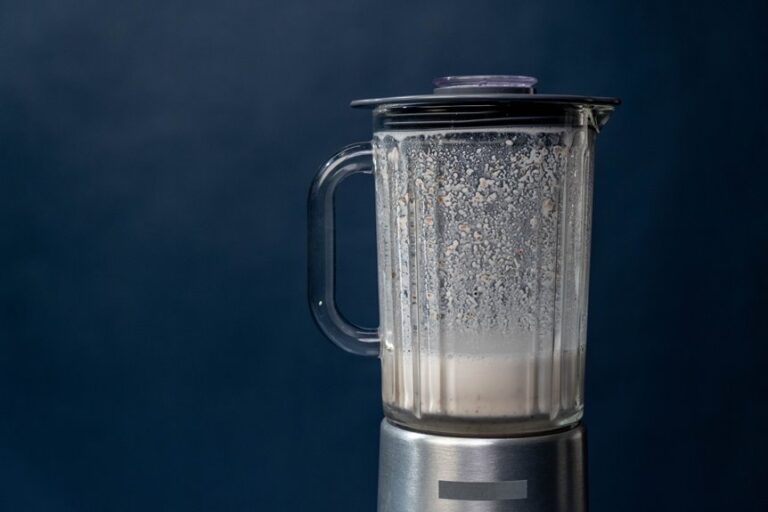
For the best result, use a dry blender jar and keep the jar clean and empty before you start.
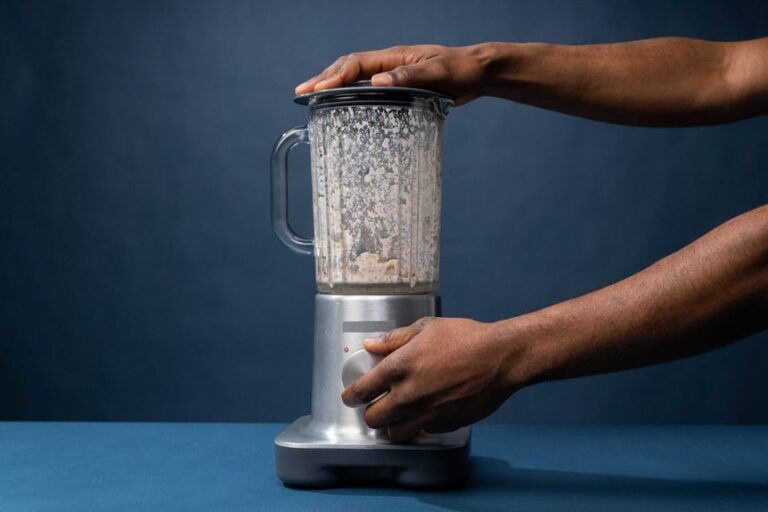
Add a small amount, then use the quick pulse method to break the seeds down without turning them pasty.
Whenever the seeds stick, shake the jar and scrape the sides between pulses.
You can also blend a bit more whenever needed, but stop when the texture looks fine and even.
Then stir the flax into smoothies, oatmeal, or batter right away, so it fits smoothly into your routine.
Whole vs. Ground Flax Seeds
Whenever you start using flax seeds in recipes, the next major choice is whether to keep them whole or grind them first.
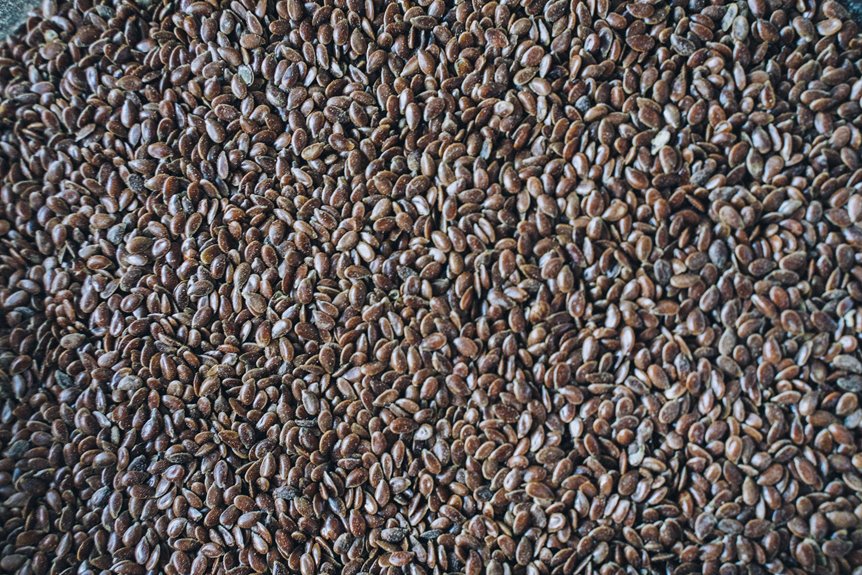
Whole seeds usually store longer because the hard shell protects the oils from air and light. That makes whole flax a practical pantry backup.
However, your body handles them differently. Ground flax is easier to digest because your system can access the nutrients more readily. Whole seeds may pass through with little change, while ground flax blends smoothly into oatmeal, yogurt, or smoothies.
If you want better nutrient access, grind them. If you want longer shelf life and easier storage, keep them whole.
Either way, you’re adding a simple habit that fits well into your kitchen routine.
Why Blending Flax Seeds Works Better
Blending flax seeds works better because it breaks the hard outer shell and helps your body access the nutrients inside. This improves seed coat breakdown, supports better nutrient availability, and creates a smoother texture that is easy to add to daily meals.
| Benefit | What you notice |
|---|---|
| Better texture | Flax becomes fine and smooth |
| Easier use | It mixes into food quickly |
| Better nutrient access | Your body can use more of the nutrients |
How to Blend Flax Seeds Safely
Now that you know why flax seeds work better when ground, it’s smart to handle them with care so you get a good texture without making a sticky mess.
For blender safety, keep the jar dry and clean because moisture can turn flax into paste fast. Add small batches, then pulse in short bursts so the blades catch the seeds evenly. Stop to shake the jar and tap it gently. This helps prevent clumping and keeps stubborn seeds from hiding at the bottom. If the mix starts looking oily or warm, pause right away. You’re aiming for a light meal, not flax butter with attitude. Blend only what you need, then use it soon for the freshest taste and best texture in your next recipe.
Best Tools for Blending Flax Seeds
A simple grinder usually does the best job with flax seeds. You get a fine, even meal quickly, which makes it easy to blend into your favorite mix.
A coffee grinder offers speed, a smooth texture, and easy cleanup, so it often feels like the simplest option. If you don’t have one, a blender still works well in a dry jar, especially when you pulse it in short bursts. For a hands-on option, a mortar and pestle gives you control, but it takes more effort. A food processor can also help when you want a larger batch. Whatever tool you use, flax can fit easily into a practical kitchen routine.
How Much Flax Seed Should You Use?
How much flax seed should you use? Start with serving size basics, then build from there. For most people, 1 to 2 tablespoons a day gives you a practical amount without crowding your recipe.
If you’re new to flax, use smaller flax seed portions first so your body can adjust and your mix still tastes balanced.
You can blend a little more if you want a thicker texture, but don’t overdo it, since too much can make the flavor earthy and heavy.
Keep your goal simple: add enough to support your routine, not so much that it takes over. That way, you stay in control, and your blender does the work with ease.
Add Ground Flax Seeds to Smoothies
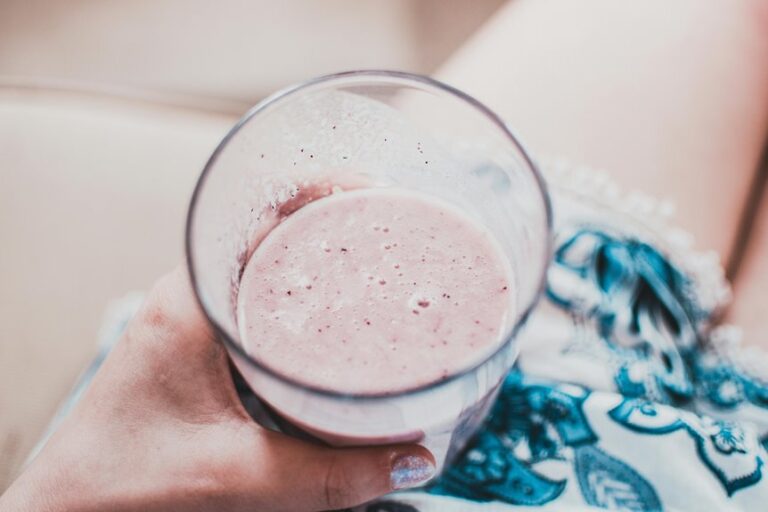
You can blend ground flax seeds right into your smoothie for a simple nutrient enhancement that adds fiber, omega-3s, and a little extra staying power.
To keep the texture smooth, use a dry blender jar and add the flax in short pulses, or blend it with the liquid initially.
If you want the best result, make only what you need and drink it soon after blending so the flavor stays fresh.
Nutrient Boost In Smoothies
Adding ground flax seeds to your smoothie is one of the easiest ways to improve its nutrition without changing your routine. You get more nutrients in each sip, along with a mild flavor that blends in rather than standing out.
Ground flax can add omega-3s, fiber, and a little extra body, so your drink feels more filling and supportive. If you already enjoy fruit, yogurt, or nut butter, flax fits in easily.
You don’t need a major recipe change or special tools. Start with a spoonful, mix it in, and enjoy a smoother, richer drink that works well with your day.
Best Blending Practices
For the best smoothie texture, grind the flax seeds first or use ground flax seeds right away, because whole seeds can slip through the blender without fully breaking down. You’ll get the smoothest result when you add the flax after the liquid starts moving, then let pulse control do the rest. Use short bursts, shake the jar, and scrape the sides if needed.
That keeps the mixture even and prevents it from turning pasty. Also, consider batch timing. Small amounts blend well, but a slightly fuller jar can help the blades catch the seeds. If you’re making a smoothie for a group or just for yourself, blend the flax with fruit, yogurt, and milk, then serve it soon. Fresh ground flax feels easy, practical, and ready to use.
Bake With Ground Flax Seeds
If you bake with ground flax seeds, you add more than nutrition, since they can help your batter hold together and feel a little richer.
You may notice a slightly nuttier taste and a denser texture, which works well in muffins, breads, and cookies.
If you’re out of eggs, ground flax can also serve as a simple binder that keeps your recipe on track.
Ground Flax Benefits
Ground flax seeds can make baking easier and better. You get more from each spoonful because flax nutrition adds omega-3s, protein, and flax fiber to your batter.
That means you can support your meals while still baking food your family will want to eat. Ground flax also blends in smoothly, so you can swap it into muffins, cookies, and bread without much fuss.
If you have ever wanted a simple upgrade, this is one you can trust. It helps you feel like you’re baking with the group, not guessing alone. Use it to enhance hearty flavor, add moisture, and make your recipes feel more complete.
That small change can turn an ordinary mix into something warmer and more satisfying.
Baking Texture Effects
Ever notice how a spoonful of flax can change the feel of a bake? When you blend it into flour, you help create a softer crumb texture that feels tender, not heavy.
You also support moisture balance, so muffins and quick breads stay pleasant instead of dry or gummy. Because ground flax absorbs liquid, your batter may thicken a bit, and that’s normal.
Stir with care and let the mix sit for a moment before baking. Then you can judge whether it needs a splash more milk or a little extra flour. In your kitchen, flax can make you feel like you’re in on a small secret, because the change is simple, but the results feel warm, familiar, and just right.
Egg Replacement Use
That same soft, tender texture can also help you skip the egg on purpose, and flax makes that much easier. When you mix ground flax with water, you create a gentle egg substitute that helps batters hold together without a fuss. You’ll usually stir one tablespoon of flax meal with three tablespoons of warm water, then let it sit until it turns thick and glossy.
That mix works as a flax binder in muffins, pancakes, quick breads, and cookies. It won’t puff like a real egg, but it does add moisture, structure, and a slightly nutty taste that fits well in many recipes.
If you’re baking for plant-based friends, this swap can make the kitchen feel more welcoming, like everyone gets a seat at the table.
Common Mistakes to Avoid
As you blend flax seeds, the biggest mistakes usually happen before the blades even start moving. You can avoid most problems with a dry jar, because moisture makes the seeds clump quickly. Also, don’t add too much at once, since smaller batches let the blades catch every seed.
If you keep the blender running too long, you can overblend the seeds and end up with a sticky paste instead of a light meal. Instead, pulse in short bursts, then shake or scrape the jar so everything gets mixed evenly. You should also avoid using a jar that’s too empty, since the seeds can fly around without grinding well. A calm, steady pace works best, and it helps you stay in control.
How to Store Ground Flax Seeds
Once you have ground flax seeds, store them properly to preserve their fresh, nutty flavor.
Use an airtight container and refrigerate it promptly, since air and heat speed up spoilage.
Place the ground flax in a clean jar or sealed bag, then put it in the fridge soon after grinding.
If you make larger batches, freeze part of it for later use, which helps maintain taste and quality.
Keep the container away from the refrigerator door, where temperature changes are more frequent.
Label the container with the date so you can track freshness easily.
With cool storage and a tight seal, you can protect the delicate oils and keep the flax ready for smoothies or baking.
What Blended Flax Seeds Can Do for You
Blended flax seeds can do a lot for your meals and your health, and the best part is that they’re easy to work into foods you already enjoy. You can stir the soft seed powder into smoothies, oatmeal, yogurt, or batter without changing your routine much.
Because blending breaks the tough shell, your body can use the nutrients more easily, which may support better smoothie digestion. You’ll also get more omega-3s and fiber in a simple, practical way.
If you want a thicker drink, flax can help with that too. Blend a small batch, then use it right away for the freshest taste.
It’s a small step, but it can make your everyday meals feel more nourishing and more your own.
Frequently Asked Questions
Can You Blend Flax Seeds With Water Into a Gel?
Yes, you can blend flax seeds with water into a gel. As the mixture blends, the water thickens quickly. The result is flax seed gel, which can be used in recipes, hair care, or as a binder.
Does Blending Flax Seeds Change Their Omega-3 Content?
Blending will not meaningfully change the omega-3 content of your flax seeds, so nutrient retention remains strong. With careful handling, you can protect omega-3 stability and preserve the nutritional benefits in your smoothie.
Can You Blend Flax Seeds With Other Nuts or Seeds?
Yes, you can blend flax seeds with other nuts or seeds. For a balanced mix, use about 1 tablespoon of each. This can improve flavor and help you create better recipe pairings, especially in smoothies.
How Do You Know When Flax Seeds Are Finely Ground Enough?
You’ll know they are ready once the flax seeds look like a fine powder and pass a simple texture test. There should be no visible whole seeds, only a smooth, even meal. If it still feels gritty, pulse it a little longer, then check again.
Can Blended Flax Seeds Be Frozen for Later Use?
Yes, you can freeze blended flax seeds for later use. Store them in an airtight freezer-safe container to preserve freshness, and portion them into small batches so you always have a ready supply.