When your grapes are not quite ready to shine, you can still make fresh juice at home with ease. Wash them, remove the stems, and blend or press them with a little water, then strain out the pulp for a smooth result. The process is flexible, because seedless grapes, a blender, or even a simple sieve can all work, and a few small tricks can improve the flavor.
Can You Juice Grapes at Home?
Yes, you can juice grapes at home, and you don’t need fancy tools to get started. Wash the grapes, remove the stems, and blend them with a small splash of water if the blades need help. Then strain the mixture through a fine sieve or cheesecloth. This keeps the juice smooth and makes cleanup manageable.
For safety, use clean hands, clean equipment, and cold storage if you won’t drink the juice right away. If you want to make a larger batch, repeat the same steps with bigger bowls or a pot on the stove. This method gives you a simple home routine that’s practical and rewarding.
Best Grapes for Juicing
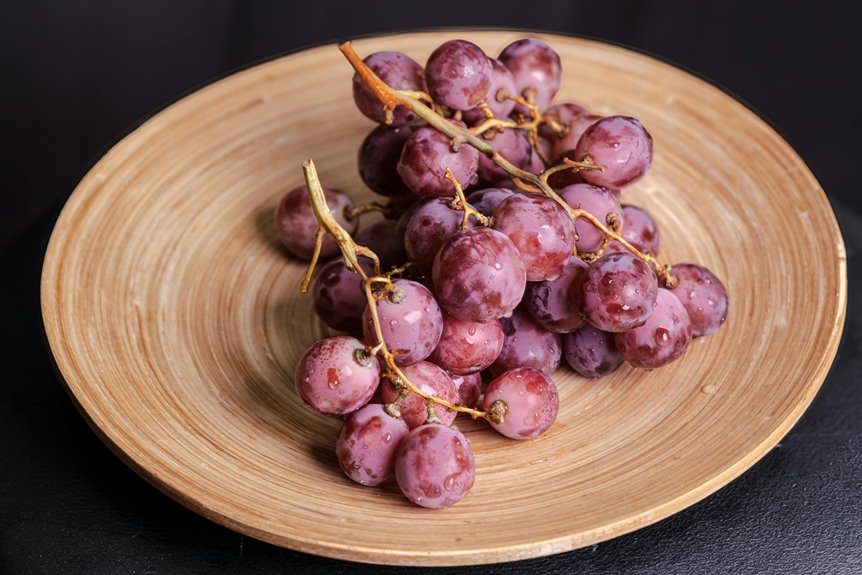
The best grapes for juicing are the ones that taste ripe, feel firm, and have plenty of natural juice inside. When you choose well, you get bright, sweet juice with less effort. For ripe grape selection, look for full color, a gentle bloom on the skin, and a light scent that feels fresh.
Seedless grape varieties usually make the job easier because they blend into a smoother drink. Still, you can use seeded grapes if you don’t mind a little straining later.
- Pick grapes that feel plump.
- Choose deep colored bunches.
- Skip any shriveled or dull fruit.
If you want a richer flavor, mix two sweet types together. That combination can make your juice taste balanced and full.
How to Prepare Grapes for Juicing
Once you have picked ripe grapes, a little prep work helps the juice taste cleaner and smoother. First, inspect the grapes and set aside any that look mushy, split, or moldy, because one bad grape can affect the whole batch.
Then remove the stems so you don’t add bitter notes. After that, wash the grapes under cool water and gently rub the bunches to lift off dust and residue. You can use a colander to keep the process simple and mess free. If you spot tiny leaves or bruised fruit, remove those too.
This routine helps you stay organized and keeps the flavor bright. Once the grapes are clean and sorted, you’re already halfway to a juice people will want a second glass of.
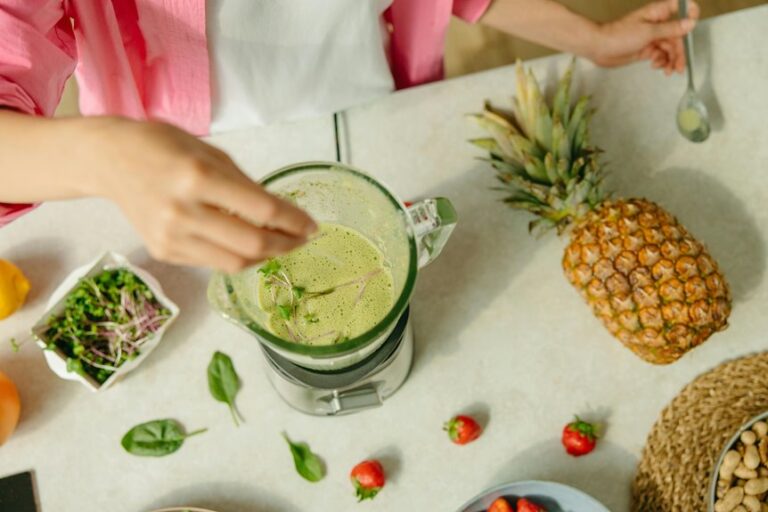
How Do You Juice Grapes With a Blender?
Want the quickest way to turn grapes into juice? Use the blender method and make fresh juice in your own kitchen.
- Wash the grapes, remove the stems, and add them to the blender.
- Add a small splash of water, then blend until the fruit breaks down.
- If the mixture seems too thick, add a little more water so the blades keep moving.
Next, strain the mixture through a fine sieve or cheesecloth. Press the pulp gently to extract more juice, but don’t rush.
If you want a smoother drink, strain it twice. If you prefer a more rustic texture, stop after one strain. Either way, you get fresh grape juice with simple tools and minimal effort.
How Do You Juice Grapes With a Juicer?
You’ll get the best grape juice when you start with clean, ripe grapes and remove any stems or damaged fruit.
Feed the grapes into your juicer slowly so it can extract the liquid without clogging.
After that, strain the juice if you want it smoother and free of skins or seeds.
Prepare Grapes Properly
Before juicing grapes, take a few minutes to prepare them properly. This small step makes a noticeable difference in taste, texture, and how smoothly your juicer runs. Start by choosing ripe grapes, since they produce richer juice and a sweeter finish. Then:
- Wash them thoroughly under cool water to remove dust and residue.
- Remove the stems and any damaged grapes so the juice tastes cleaner.
- Pat the grapes dry and sort out any loose leaves or debris.
If you’re making juice for a group, this preparation helps everyone get the same fresh result.
It also reduces the chance of clogging, which helps avoid a messy pause during the process. Once the grapes are clean and ready, you can continue with more confidence and less stress.
Juice and Strain
If you’re using a juicer, the process becomes much easier, and the results are worth it. First, wash the grapes, remove the stems, and check for any soft spots. Then feed them into the juicer in small handfuls so the machine can work smoothly.
As the juice flows out, catch it in a clean bowl or pitcher. Next, pour the liquid through a fine strainer or cheesecloth for better clarification. This step helps remove pulp and leaves you with a smoother drink.
If you want a clearer finish, let the juice rest for a few minutes, then pour off the top. Chill it well, because cold grape juice is especially refreshing.
How to Strain Grapes Without a Juicer
To strain grapes without a juicer, start by mashing them well so you break up the skins and release as much juice as possible.
Then pour the mash through a fine mesh strainer.
If you want even smoother juice, press it through cheesecloth with a spoon or your hands.
This simple method helps you get more juice and less pulp, even with a basic kitchen setup.
Mash Grapes Thoroughly
A good mash makes all the difference here, because once the grapes break open, the juice starts to release much more easily. You can handle this simple step even if you have never done it before.
First, pour the washed grapes into a bowl. Then use a potato masher or clean hands to mash the grape pulp until the skins split and the fruit softens.
- Press down with steady force.
- Turn the fruit as you crush it fully.
- Keep going until most grapes look loose and juicy.
As you work, stay patient. A solid mash helps you get more juice with less effort, and it keeps the process simple and easy. If a few grapes remain firm, give them another quick press and continue.
Use Fine Mesh
With a fine mesh sieve, you can strain grape pulp and keep the juice smooth without much fuss. Place the fine mesh sieve over a clean bowl, then pour the mashed grapes in slowly. The small holes catch skins, seeds, and soft bits while the juice slips through. For better fine mesh filtering, stir the pulp gently with a spoon so more liquid moves out.
When fruit remains behind, press it lightly against the sieve with the back of the spoon. That extra pressure helps you get more juice without making the drink cloudy. You’ll see the bowl fill with bright, clear juice. Keep a second bowl nearby if you want to work in small batches and stay neat.
Press Through Cloth
When you want smooth grape juice without a juicer, pressing it through cloth is one of the easiest ways to do it. You can join plenty of home juice makers with this simple method, and it feels good to make something fresh yourself.
- Line a bowl with cheesecloth.
- Pour in the crushed grapes.
- Twist and squeeze for cloth filtration.
This cheesecloth pressing step pulls out more juice while keeping skins and seeds behind.
You’ll see the liquid drip cleanly, and that small success can feel satisfying. If you need a stronger squeeze, gather the cloth into a pouch and press with clean hands. Use ripe grapes for better flow, and keep your cloth clean so your juice tastes bright. With a few firm presses, you’ll get smooth juice that works well in your kitchen.
How to Improve Grape Juice Flavor
Even simple grape juice can taste flat at first, but you can improve it quickly with a few smart touches. Start with ripe grapes, then chill the juice so the flavor opens up.
If it still tastes dull, add a little lemon juice for brightness. That sharp note can make the drink taste fresher without taking away its natural character.
Next, balance the sweetness by adding honey, maple syrup, or a small amount of sugar, one spoon at a time. Stir, taste, and stop when it suits you.
For extra flavor, mix in a few crushed berries or a splash of apple juice. You can also serve it over ice or with sparkling water. These small changes help the juice taste fresh, balanced, and ready to share.
Grape Juice Nutrition and Benefits
Grape juice offers more than sweet flavor. It also provides natural sugars, water, and small amounts of vitamins and minerals.
You may also get beneficial plant compounds, such as antioxidants, that can support your health in simple ways. When you choose fresh grape juice and keep portions sensible, you can enjoy a drink that feels satisfying and nourishing at the same time.
Grape Juice Nutrients
Because the fruit already contains a lot of natural water, grape juice can provide a quick mix of hydration and fast energy, along with a range of beneficial plant compounds.
It also offers a useful vitamin profile, with vitamin C and small amounts of B vitamins that help round out your glass.
Its antioxidant content comes from pigments and skin compounds, so the juice remains a smart choice when you want something familiar and comforting.
- You get natural sugars for quick fuel.
- You take in potassium that supports fluid balance.
- You enjoy polyphenols that add color and character.
When you choose fresh juice, you keep more of the grape’s gentle flavor and nutrient value.
That makes your cup feel simple, honest, and easy to share.
Health Benefits
When you look past the sweet taste and simple nutrients, grape juice can also support your health in a few helpful ways. It provides antioxidant support from natural plant compounds that help protect your cells from daily stress. That can make your glass feel like more than a treat.
It also offers a hydration boost, especially when you’re tired, warm, or simply want an easy drink that goes down smoothly. Because grape juice contains quick energy, it can fit well after activity or during a busy day. If you choose a fresh, well strained batch, you keep the flavor bright and the texture pleasant.
How to Store Fresh Grape Juice
In the fridge, fresh grape juice stays at its best for only a short time, so store it carefully right after you make it. Quick refrigeration helps protect flavor, and airtight containers keep out air and fridge odors.
- Pour the juice into a clean glass jar or bottle with a lid.
- Leave a little space at the top, then seal it well.
- Chill it in the coldest part of your fridge and use it soon.
When you want to share it with friends, label the container with the date so everyone knows it’s fresh.
Give it a gentle shake before you pour, since natural settling can happen.
If you made a bigger batch, split it into smaller containers so you open less of it each time.
Common Grape Juicing Mistakes to Avoid
Even a simple batch of grape juice can go wrong when you rush the process, skip a key step, or use the wrong tool. You might leave the stems on, which adds bitterness and slows straining. You could also underwash the grapes, allowing dirt and residue to enter the juice.
If you skip sanitation basics, you invite off flavors and spoilage. Another common mistake is overfilling the blender, which creates a mess and leaves chunks behind. If you don’t strain well, skins and seeds can make the drink gritty. Also, don’t ignore equipment cleaning, because sticky residue clings quickly and can dull the taste.
When you work steadily and keep each step tidy, the whole process becomes easier and more effective.
Easy Grape Juice Recipe Ideas
Once you have avoided the common mistakes, making grape juice becomes much more enjoyable because you can focus on flavor instead of troubleshooting. Start with ripe grapes, wash them well, then blend and strain them for a smooth base.
From there, you can try easy grape juice recipe ideas that feel personal and simple.
- Mix grapes with strawberries for a bright, quick fruit blend.
- Add a little apple juice if you want a sweeter, kid-friendly drink.
- Stir in lemon or mint for a fresh lift that still tastes familiar.
If you want a cozy version, warm the grapes first, then chill the juice before serving. That small step helps the flavor feel richer and more inviting. When you share it, your kitchen feels more welcoming for everyone.
Frequently Asked Questions
Can You Juice Grapes With Seeds?
Yes, you can juice grapes with seeds, but strain them well afterward. Many seeded grape varieties work fine, and juicing is safer when you wash the fruit thoroughly and remove any damaged grapes first.
How Long Does Homemade Grape Juice Last?
You can keep homemade grape juice refrigerated for about 3 to 5 days if you want the best freshness and storage safety. If you freeze it, it can last longer while still tasting good.
Do You Need to Peel Grapes Before Juicing?
No, you do not need to peel grapes before juicing. Their skins can be left on. Wash them well, remove the stems, and juice them as they are if you want a smoother result, you can strain the juice afterward.
Can Grape Juice Be Frozen for Later Use?
Yes, you can freeze grape juice for later use. Use airtight storage containers and leave some space for expansion. You can also freeze it in ice cube trays or freezer-safe jars. This helps preserve the sweet flavor for later use.
Is Grape Juice Safe for Children?
Yes, grape juice can be safe for children when portions are kept small and the juice is unsweetened. You should watch serving size and sugar intake, and also offer water.