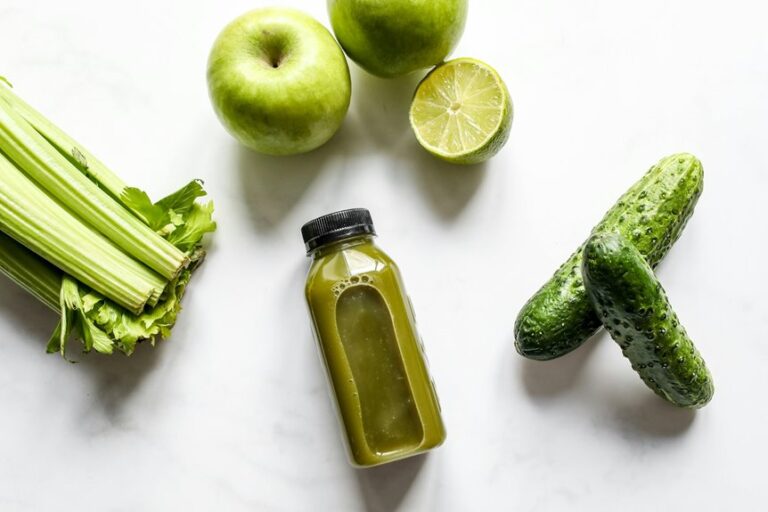
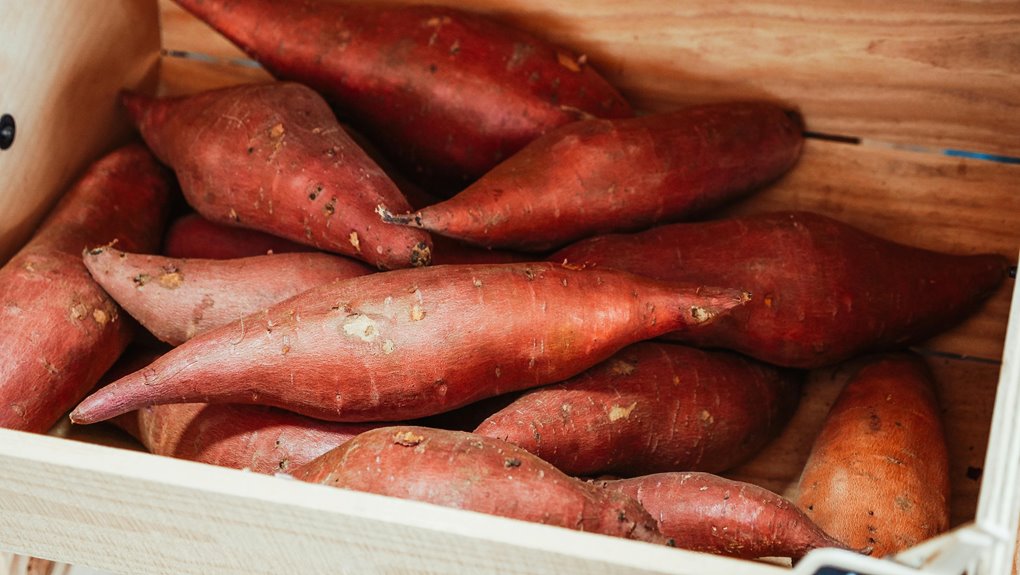
Yes, you can juice sweet potatoes, and you do not need to cook them beforehand. If you prep them the right way, you can get a drink that is lightly sweet, earthy, and pleasantly surprising. The key is knowing how to cut, blend, or juice them without wasting time or ending up with a thick mess. Once you understand the basic steps and the best flavor pairings, you may start looking at this humble root in a whole new way.
Can You Juice Sweet Potatoes?
Yes, you can juice sweet potatoes, and you don’t need to cook them first.
You can place raw pieces into your juicer and still get a bright, earthy drink that fits your routine. Their nutrition profile includes natural sweetness, fiber-friendly pulp, and plenty of orange color from plant compounds.
If you prefer a smoother taste, you can choose whether to peel them, since peeling gives a cleaner sip while leaving the skin on adds a more rustic feel. Either way, this is a normal approach.
With the right method, you can turn this humble root into a drink that feels familiar, comforting, and pleasantly different.
How to Prep Sweet Potatoes for Juicing
Start by washing and scrubbing your sweet potatoes well so you remove dirt and grit from the skin.
If you want a cleaner taste and smoother juice, peel them too, especially if they aren’t organic.
Then cut them into small chunks or 1 inch cubes so your juicer can handle them more easily.
Washing And Peeling
Before you juice sweet potatoes, wash and scrub them well so you do not blend dirt, grit, or field residue into your drink. Clean the skin under cool running water, and use a soft brush for the creases. If you notice rough spots, scrub them again. Then decide whether to peel.
| Step | What you do | Why it helps |
|---|---|---|
| Wash | Scrub well | Removes grime |
| Inspect | Check the skin | Keeps out spots |
| Peel | Choose what fits | Improves taste |
If the skin looks thin and clean, you can leave it on. If it seems waxy or heavily soiled, peel it. That choice affects the flavor and helps keep the juice fresh and easy to enjoy.
Cutting For Juicing
Once your sweet potatoes are clean, cut them into small, even pieces so your juicer can work efficiently. Use proper knife safety and keep your fingers tucked away. Aim for uniform cubes about 1 inch wide, because they move through the feed chute more smoothly and help prevent jams.
If the pieces are too big, the juicer can strain and slow you down. Slice each potato into steady chunks, then trim any hard edges that might catch. Perfection isn’t necessary here, just pieces that look similar.
That small amount of care makes the process easier, cleaner, and less frustrating for you and your kitchen crew.
How to Juice Sweet Potatoes in a Juicer
Once you have washed and cut your sweet potatoes into small pieces, feed them slowly into your juicer to keep things moving smoothly. A masticating or centrifugal juicer both work. You’ll get the best flow if you alternate the sweet potato with a juicier ingredient, like apple or celery.
If the juice looks pulpy, strain it for a cleaner, smoother drink.
Preparing Sweet Potatoes
Sweet potatoes don’t need to be cooked to make juice, which is good news if you want a fast, fresh start.
Choose firm, smooth roots, and check for bruises before they reach your counter. Good ingredient selection helps you get a cleaner, sweeter drink, and it makes the rest of the process easier.
For kitchen safety, wash and scrub each sweet potato well under running water, then dry them with a clean towel. If the skin looks rough, or if you’re using non-organic potatoes, peel them for a lighter taste.
Next, cut them into small chunks so your juicer can handle them with less strain. This preparation helps you start with confidence and keeps the process simple.
Juicing Process Steps
Next, place the prepared sweet potato pieces into your juicer and let the machine do the work at a steady pace. You’ll feel more in control when you keep a calm juicer feeding rhythm, because small batches help the blades or auger move smoothly. If the feed slows, pause for a moment, then add another piece.
Catch the juice in a clean container, and watch for thick foam or pulp. That’s normal, so don’t worry. For better results, use simple pulp straining tips such as a fine mesh strainer or cheesecloth after juicing.
If you want a brighter flavor, mix in a little lemon, ginger, or apple as you go. Then stir the juice well, chill it quickly, and enjoy that warm, earthy sweetness with your crew.
Can You Use a Blender Instead?
Absolutely, you can use a blender instead of a juicer, and it is a helpful backup whenever you want sweet potato juice without special equipment. You can use this simple blender and strain method, which lets you rely on common kitchen appliance options. First, blend raw, peeled cubes with enough water to move the blades, then strain the mixture well.
| Step | What you do |
|---|---|
| 1 | Wash and peel the sweet potato |
| 2 | Cut it into small cubes |
| 3 | Blend with water until smooth |
| 4 | Strain through mesh or cloth |
| 5 | Serve fresh and chill |
This method works best when you want a smoother drink and less effort. If the mixture feels thick, add more water and blend again.
What Sweet Potato Juice Tastes Like
Curious what sweet potato juice tastes like? You’ll find a gentle sweetness with a soft earthy edge, like a carrot and a baked sweet potato sharing the same glass. The first sip feels smooth, then the flavor opens with a warm, mellow finish.
In these taste profile notes, you may notice a mild starchiness when the juice isn’t strained well. That’s normal, and it doesn’t ruin the drink. This flavor intensity overview sits in the middle, not too bold and not too flat, so it feels easy to enjoy.
If you like cozy, familiar flavors, you may feel right at home with it. A little ginger, lemon, or apple can brighten it, but plain juice still tastes pleasantly sweet and comforting.
Is Sweet Potato Juice Good for You?
Yes, sweet potato juice can be a good choice for you when it is made the right way. It offers solid nutrition benefits, including fiber-friendly pulp, antioxidants, and strong vitamin content, especially vitamin A. You also get a naturally sweet drink that can fit into your routine without feeling boring.
| Benefit | Why It Matters | Best For |
|---|---|---|
| Vitamin A | Supports vision | Everyday wellness |
| Potassium | Helps fluid balance | Active days |
| Antioxidants | Fight stress | Busy schedules |
| Natural carbs | Give quick energy | Morning fuel |
If you strain it well, you will get a smoother sip with less grit. You can enjoy it fresh and feel good knowing you are choosing something simple, colorful, and nourishing for your crowd.
What to Mix With Sweet Potato Juice
What should you mix with sweet potato juice? You can build a drink that feels cozy and bright at the same time. Try a ginger turmeric blend for a warm, zippy kick, or add apple and carrot for soft, friendly sweetness. If you want a fresher sip, lemon or orange adds a citrus balance that lifts the earthy taste.
- A handful of apples, for a crisp orchard feel
- A thumb of ginger, for gentle heat
- A squeeze of lemon, for a lively finish
You can also stir in celery for a clean edge or cinnamon for a dessert-like note. Start with small amounts, then taste as you go. That way, you make a juice that fits your taste and your mood.
Common Sweet Potato Juicing Problems
Even though sweet potato juice sounds simple, a few common problems can come up quickly and make the process messy. You may run into juicer clogging if the chunks are too large or if you feed them in too fast. You can also get heavy pulp buildup, which makes the juice thick and gritty. If that happens, you are not doing anything wrong. You just need a steadier pace. Here is a quick look:
| Problem | What You Notice | Easy Fix |
|---|---|---|
| Clogging | Juicer slows down | Cut smaller pieces |
| Pulp buildup | Juice feels gritty | Strain it well |
| Weak flow | Juice drips slowly | Alternate with watery produce |
When you pay attention to your machine and slow down, you keep the process smooth and make the kitchen work feel more manageable.
How to Store Sweet Potato Juice
Sweet potato juice keeps best when you treat it like a fresh, delicate drink rather than a shelf-stable one. Chill it right away, then pour it into an airtight container so less air can get in and dull the color. If you want to stay on top of its freshness, drink it within 24 to 48 hours.
- Use a clean glass jar and fill it near the top.
- Store it in the coldest part of your fridge, not the door.
- Shake it gently before pouring, since natural separation can happen.
If you’re sharing a batch with others, label the jar with the time you made it. That simple step helps keep each sip bright, smooth, and ready when you are.
Frequently Asked Questions
Can You Juice Sweet Potatoes With the Skin On?
Yes, you can juice sweet potatoes with the skin on if you scrub them well. Choosing organic can reduce concern about skin residues, and the skin may slightly change the juice texture.
Do Sweet Potatoes Need to Be Cooked Before Juicing?
No, you do not need to cook sweet potatoes before juicing; you can use them raw. Raw versus cooked affects digestion and texture, so raw sweet potatoes will give you a fresher, earthier juice with a firmer consistency.
Which Juicer Works Best for Sweet Potatoes?
A masticating juicer usually works best for sweet potatoes because it handles dense chunks well and produces smoother juice. Use a juicer with a wider feed chute if you want easier prep and less chopping.
How Much Juice Do Sweet Potatoes Produce?
You’ll usually get a moderate juice yield from sweet potatoes, since they are over 65% water. Your juice quantity depends on the size of the potatoes and the type of juicer, but you can expect a surprisingly decent, naturally sweet extraction.
Can Sweet Potato Juice Be Frozen?
Yes, you can freeze sweet potato juice. It is a practical way to preserve it for later use. Use ice cube trays or airtight containers, and keep the juice well sealed to help maintain its flavor.