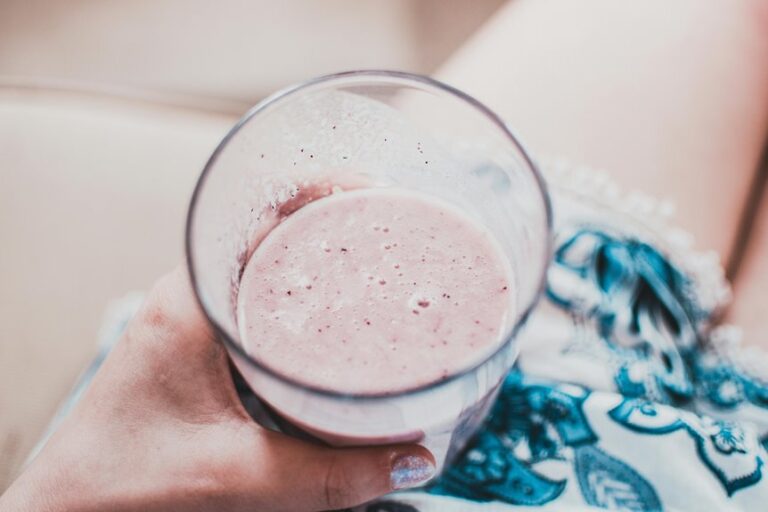
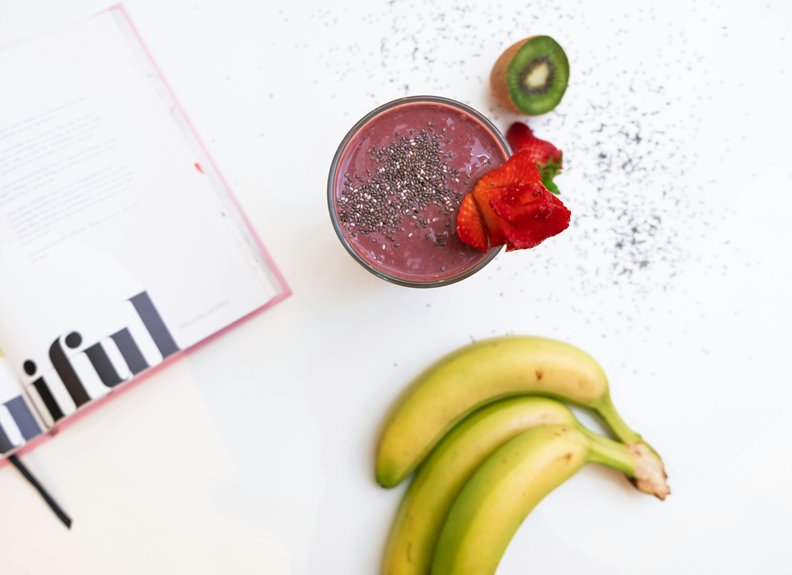
If you want a smoothie without banana, you have plenty of good choices. You can build creaminess with Greek yogurt, avocado, tofu, or coconut milk, then use frozen berries, mango, or pear for body and chill. From there, a little chia, oats, or nut butter can make it thicker and more filling. Once you know which ingredients work best together, the whole process gets easier and more fun.
Why Make Smoothies Without Banana
When bananas are off the menu, you can still make a smoothie that feels thick, creamy, and satisfying.
You don’t need banana to enjoy a drink that fits your taste or your needs. Maybe you want banana allergy alternatives, or you’re looking for lower sugar smoothies that won’t overpower your morning.
Either way, you can build a smoothie that feels just right.
When you skip banana, you gain more control over flavor, sweetness, and texture.
That helps you match your mood, your routine, and your goals. You can lean into berries, yogurt, avocado, or coconut for a smooth sip that still feels comforting.
If you have ever felt left out by banana-heavy recipes, this is your welcome back. Your smoothie can still taste like it belongs in your hands.
Best Banana-Free Smoothie Thickeners
The best banana-free smoothies still need the right thickener, and this is where the texture comes together. You can build a rich, satisfying smoothie with smart add-ins that help everything blend well.
Chia seed thickening works well because the seeds swell and create a gentle, spoonable texture. Oats add a soft, hearty body, while frozen fruit brings the cold thickness you’d normally get from banana. If you want extra richness, avocado gives a smooth finish without a strong flavor. Tofu also helps create a silky blend that still feels light.
- Chia seeds soak up liquid
- Oats add quiet thickness
- Avocado brings creamy depth
- Frozen fruit increases chill and body
- Tofu keeps the blend smooth
Use Yogurt for Creaminess
Yogurt is one of the easiest ways to make a banana-free smoothie feel rich and satisfying because it adds creaminess and body without taking over the flavor. You can use plain or full-fat Greek yogurt whenever you want a thick texture that blends well with berries, mango, or peach.
If you like a lighter taste, start with a small scoop and taste as you go so the yogurt flavor stays balanced and fresh.
Next, add your fruit and liquid, then blend until smooth. You’ll get a silky drink that feels familiar, comforting, and easy to enjoy.
For extra chill, use frozen yogurt cubes. For a brighter finish, add a splash of honey or vanilla.
Add Avocado for a Rich Texture
Avocado gives your smoothie a rich, creamy base that feels almost like banana, but with a milder taste. You can pair it with mango, berries, or pineapple so the flavor stays bright and balanced. It also adds healthy fats, which help your smoothie feel more satisfying and smooth.
Creamy Avocado Base
Whenever you want a smoothie that feels rich without using banana, avocado is one of the best swaps you can make. You get a silky body, and you can still keep the flavor light if you pay attention to avocado ripeness.
A ripe avocado blends smoothly and tastes mild, so your drink feels comforting, not heavy. If the taste seems too bold, try masking the avocado with spinach, vanilla, or berries. That simple trick helps you fit in with the creamy smoothie crowd without worry.
- Use half an avocado initially.
- Blend until no green flecks remain.
- Choose fruit that feels familiar to you.
- Taste before adding more.
- Trust the texture and adjust slowly.
Balanced Flavor Pairings
Pairing the right flavors with avocado can turn a plain smoothie into something you actually look forward to drinking.
You get a rich base, then you build around it with fruits that work well together.
For sweetness balancing, try mango, pineapple, pear, or a few dates if your blend tastes too sharp.
These choices keep the smoothie bright without hiding the avocado’s smooth texture.
When considering flavor pairings, think creamy and fresh, or mellow and tangy.
Berries and yogurt work well, and a splash of coconut milk can soften stronger fruit flavors.
If you taste a slight green note, add more sweet fruit instead of piling on sugar.
That way, your smoothie feels balanced, familiar, and easy to enjoy.
Healthy Fats Boost
A spoonful of avocado can transform a smoothie quickly because it adds the rich, creamy texture that banana usually provides. It also brings a gentle, buttery flavor that lets your berries, mango, or cocoa stand out without overpowering them. If you want more depth, pair avocado with omega 3 rich add ins like chia or flax, then finish with vitamin packed seed blends for extra texture and nourishment.
- Use ripe avocado for the smoothest blend.
- Add frozen fruit to keep it cold and thick.
- Pour in milk or yogurt for easier mixing.
- Taste before sweetening, since avocado stays mild.
- Blend in seeds for a fuller, more satisfying sip.
That small green scoop helps you make a smoothie that feels cozy, filling, and well suited to your routine.
Blend in Oats to Thicken Smoothies
Oats can give your smoothie a thicker, more filling feel when you want to skip banana.
For the best texture, use rolled oats or quick oats, and add them in a small amount so they blend well.
For a smoother sip, blend the oats with your liquid first, then add the rest of your ingredients and keep blending until the mix looks silky.
Oats For Thickness
Just a few spoonfuls of oats can give your smoothie the body and staying power that bananas usually bring. You can blend them right in, and they’ll help your drink feel fuller and more satisfying. If you want a silkier result, try soaking the oats first. Let them sit in your liquid for a few minutes, then blend. That small step softens them and reduces grit. Oats also have a mild flavor, so they’ll not overpower berries, mango, or cocoa.
- Use quick oats for fast thickening.
- Start with one to two tablespoons.
- Soak oats if you want extra smoothness.
- Pair oats with frozen fruit for a creamier sip.
- Taste before adding more, since thickening builds quickly.
Best Oat Types
If you want your smoothie to feel thick and satisfying, the type of oat you choose can make a big difference.
You’ll usually get the smoothest result with rolled oats because they soften quickly and blend into a gentle, creamy body.
They work well when you want a breakfast style smoothie that feels comforting and familiar.
Steel cut oats can work too, but they stay firmer and can leave a gritty texture unless they’ve enough time to soften.
So when you want an easy blend, start with rolled oats.
You can also pair them with yogurt, fruit, or nut butter for extra richness.
That way, your smoothie feels hearty, balanced, and made for you.
Blending Oats Properly
A good oat smoothie starts with the blending step, and it often works best if you give the oats a little help first.
You can soften them with oat soaking methods, then pour off the extra water before blending.
When you want a silkier sip, use oat grinding tips and pulse the oats into a fine meal first.
That small step helps you achieve a smooth, creamy texture without any banana at all.
- Soak rolled oats for 10 minutes.
- Grind dry oats for faster blending.
- Add oats after the liquid.
- Blend on high until no grit remains.
- Let the smoothie rest for one minute.
When you do this, the oats thicken the drink evenly and keep the texture smooth, not chalky.
Use Frozen Fruit for a Creamy Blend
Frozen fruit is one of the easiest ways to make a banana-free smoothie feel thick, cold, and creamy. You can use frozen berry blends or frozen mango, and your smoothie will get that icy fruit texture without feeling watery.
Start with a strong blender, then add your liquid first so the blades can move freely. Next, pour in the frozen fruit and blend until the mixture turns smooth and silky.
If it still feels too sharp, use a little coconut milk or yogurt for a softer finish. You don’t need banana to get that cozy, full feeling in your glass.
With the right frozen fruit, you can make a smoothie that tastes bright, feels rich, and still fits into your routine.
Try Nut Butter for Flavor and Body
Nut butter can give your banana-free smoothie a richer taste and a fuller body, so it feels satisfying instead of thin. You can use peanut, almond, or cashew butter to add flavor and body in one easy step. Start with a spoonful, then blend and taste. If you want a silkier sip, add a little more, but don’t let it take over.
- It helps your smoothie feel cozy and complete.
- It balances tart fruit with gentle richness.
- It makes each sip taste more grounded.
- It can help you feel satisfied longer.
- It fits easily into your smoothie routine.
You aren’t just making a drink.
You’re building something that feels like yours, and that matters.
How to Make Smoothies Without Banana
When you want a smoothie without banana, you can still make it thick, creamy, and genuinely satisfying.
Start with a creamy base like avocado, Greek yogurt, coconut milk, or tofu, then add frozen berries, mango, or pear for body and chill.
For banana-free smoothie sweetness, use pineapple, dates, maple syrup, or a little honey after tasting.
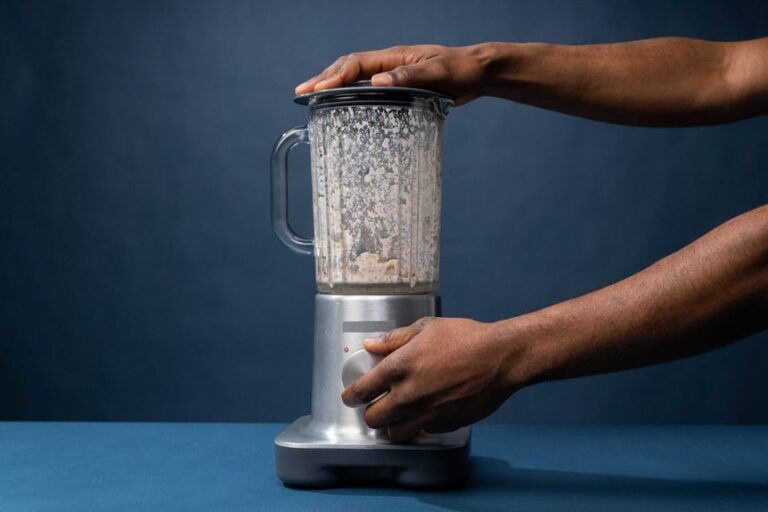
A strong blender matters, so follow banana-free blender tips: liquids first, then soft ingredients, then frozen fruit, and blend on high until silky.
If the mix feels thin, add chia seeds, oats, or a few ice cubes.
If it tastes sharp, choose sweeter fruit instead of piling on syrup.
With these swaps, you can make a smoothie that fits naturally into your routine.
Build a Balanced Smoothie Formula
A balanced smoothie starts with a simple formula, and that’s great news because you don’t need banana to get it right. You can build yours with a creamy base, frozen fruit, and a smart sweetener. Then you fine tune flavor balance so every sip feels like it fits you.
With portion planning, you keep the mix from turning too heavy, too tart, or too thin.
- Start with one creamy ingredient.
- Add one cup of frozen fruit.
- Choose a fruit that brings sweetness.
- Add a little seed, oats, or yogurt.
- Taste, then adjust with care.
When you mix these parts well, your smoothie feels complete and easy to love. It’s your blend, and it can taste like home.
Choose the Right Liquid for Blending
Which liquid should you pour initially? Start with liquid choice basics and pick one that matches your fruit and your mood. When you want a bright, fresh sip, choose juice versus milk with care. Juice adds lively sweetness, while milk brings a softer, rounder feel that helps you feel at home in the blender.
Almond milk, dairy milk, coconut water, and orange juice all work well, so you can build a blend that fits your taste. Pour in a small amount initially, then blend and notice how the mix moves. When you use a creamy base such as yogurt or avocado, you might need less liquid. Trust your palate because the right pour can make your smoothie feel comforting, balanced, and made for you.
Fix Thin or Grainy Smoothies
If your smoothie turns out thin or a little gritty, you can fix it quickly without starting over.
Add a creamy thickener such as avocado, Greek yogurt, or chia seeds, then blend again until it feels smooth.
If it still needs help, pour in a little more liquid and blend just enough to bring everything together.
Add Creamy Thickeners
When your smoothie turns out thin or a little grainy, you don’t need to start over because creamy thickeners can fix it fast. You can stir in a spoonful of avocado, Greek yogurt, or coconut cream to smooth the texture and add body. If you want extra help, try chia and flax for thickening, which gives your blend a softer, fuller feel without banana. Tofu and coconut cream also work well when you want a silky sip that still feels light and friendly.
- Start small, then taste.
- Choose one creamy base first.
- Add frozen fruit for a colder finish.
- Use yogurt for protein and richness.
- Let chia rest a minute to swell.
With these choices, you can make a smoothie that feels comforting, shared, and easy to love.
Blend in More Liquid
A thin or grainy smoothie often just needs a little more liquid to come together, and that small fix can make a big difference quickly. You can pour in almond milk, coconut water, or regular milk a little at a time, then blend again until the texture feels smooth. Keep your liquid ratios steady so you don’t turn a thick blend into soup.
When your smoothie feels heavy, thinning an overly thick smoothie works best when you add just enough to help the blades move freely. Start with a small amount, taste, and adjust. This keeps the flavor bold and the texture creamy. A strong blender still helps, but a careful pour often does the real rescue.
Make Banana-Free Green Smoothies
Green smoothies can still taste fresh, creamy, and satisfying without banana, and you don’t need to settle for a thin, grassy drink.
You can lean on leafy greens and citrus to keep the flavor bright while softening any bitter notes. Add spinach or kale, then mix in orange, lemon, or pineapple for a lively lift.
- Use avocado for a silky base
- Add Greek yogurt for body and protein
- Blend in frozen mango for chill and sweetness
- Try herbs and veggie add-ins like mint, cucumber, or celery
- Finish with chia seeds or oats for thickness
When you balance the greens with fruit and creaminess, you end up with a smoothie that feels refreshing, smooth, and easy to enjoy.
Easy Banana-Free Smoothie Recipes
Easy banana-free smoothie recipes are often simpler than you think, and you don’t need banana to get a thick, creamy result. Start with avocado, Greek yogurt, or coconut milk, then add frozen berries, mango, or pears for body and natural sweetness.
Next, pour in almond milk, coconut water, or regular milk so your blender can move everything smoothly.
For quick breakfast blends, try spinach, apple, and pineapple, or berry and yogurt.
If you want dairy-free options, use coconut yogurt, tofu, or chia seeds for extra thickness.
Then taste and add honey or maple syrup only when necessary. With a strong blender and a little patience, you can make a smoothie that feels comforting, fresh, and entirely your own.
Frequently Asked Questions
Can I Make Banana-Free Smoothies Ahead and Refrigerate Them?
Yes, you can. For best results, chill the smoothies in airtight jars and expect some separation during refrigerator storage. Shake or stir before drinking, and add ice or frozen fruit if you want a thicker texture.
How Do I Sweeten a Smoothie Without Using Banana?
You can sweeten it with natural sweeteners like dates, honey, or maple syrup, then add flavor enhancers such as pineapple or vanilla. Taste as you go, and you will find the right balance without banana.
What Blender Works Best for Frozen Banana-Free Smoothies?
You’ll want a high speed blender with strong ice-crushing power; it will turn frozen fruit smooth and silky fast. Choose one with sturdy blades, and you can blend with confidence.
Can I Use Fresh Fruit Instead of Frozen Fruit?
Yes, you can. Fresh fruit works as a substitute, but you may need to adjust the smoothie texture with ice, yogurt, or oats to keep it creamy and thick.
How Do I Prevent Banana-Free Smoothies From Separating?
You can prevent separation by keeping the ingredient ratios balanced and the texture consistent. Blend frozen fruit with yogurt, avocado, or oats, then add the liquid slowly. Drink it soon after blending, or stir it again before serving.