Nearly 80% of home juicing problems come from texture, not taste, and frozen vegetables can be part of that equation if you handle them properly. You can juice them, but only after they are fully thawed and drained, or they may strain your machine and cloud the drink. The best results usually come from carrots, beets, celery, cucumber, and spinach. The real key is knowing which frozen vegetables improve your juice and which ones create problems.
Can You Juice Frozen Vegetables?
Yes, you can juice frozen vegetables, but only after they thaw completely. You aren’t doing anything wrong if you keep them in your freezer for later. Freezing helps preserve color, taste, and nutritional value, so your vegetables still have value.
After thawing, they soften and are easier to use in your juicing routine. This means you can still make a fresh tasting drink without wasting food.
For best results, thaw them in the fridge or in sealed bags in cool water. Then drain any extra liquid and cut larger pieces into smaller pieces.
If you want, you can also mix thawed vegetables with fresh ones. That helps keep your juice smooth, familiar, and easy to serve.
How Frozen Vegetables Affect Juice Texture
Frozen vegetables change juice texture because ice crystals can break down cell walls and leave extra water behind.
After they thaw fully, they become softer, so your juicer can process them more smoothly and the juice usually comes out less chunky.
If you skip thawing, you may get a thick, uneven mixture that feels off in the glass and is harder on your machine.
Texture From Ice Crystals
When ice crystals form inside vegetables, they can change the way your juice feels in the glass. You may notice tiny flecks, a thin grit, or a less smooth sip after thawing. This happens because ice crystal breakup can damage plant tissue, and frozen cell rupture allows more solids to mix into the liquid.
If you pour and strain carefully, you can help keep the texture cleaner and more even. When you’re juicing with friends or family, this is a normal part of working with frozen produce, not a sign that you did anything wrong.
Give the vegetables time to thaw, then juice them with steady pressure. That simple step helps you get a smoother, easier drink that still feels fresh and welcoming.
Softness After Thawing
Once the ice crystals have done their work, the next thing you notice is softness after thawing. That restored softness helps your juicer move with less strain, so you get a smoother pour and fewer clogs. With gentle thawing, you keep a more even texture, and your juice feels less gritty.
| Thaw method | Texture result | Juicing feel |
|---|---|---|
| Fridge overnight | Even softness | Easy flow |
| Cold water bag | Faster softening | Good yield |
| Counter top | Uneven softness | Risky texture |
You fit in better after your produce feels ready, not stubborn. Thawed vegetables still hold shape, but they give way cleanly under the blades. So, once you want juice that tastes calm and blends well, let the freezer’s chill fade first, then press on with confidence.
Which Frozen Vegetables Juice Best?
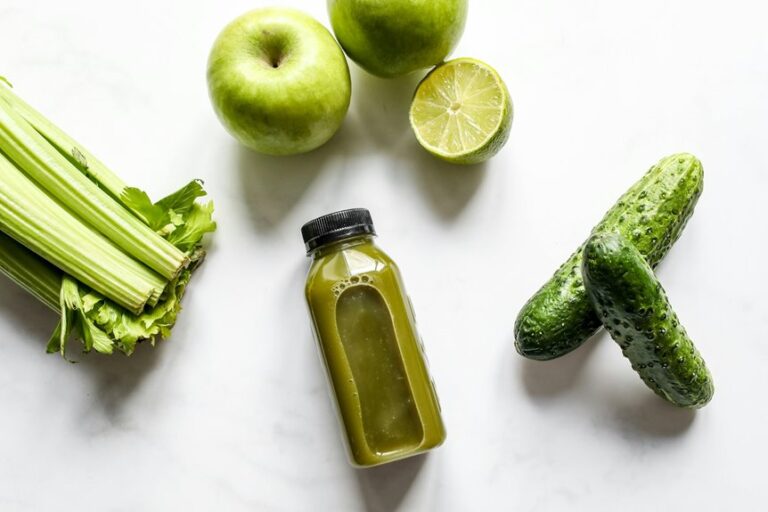
Which vegetables work best when you’re using thawed produce for juice? You’ll get the smoothest results from thawed carrots, beets, cucumbers, celery, and spinach. These are often the best freezer picks because they keep a bright taste and blend well with fresh produce.
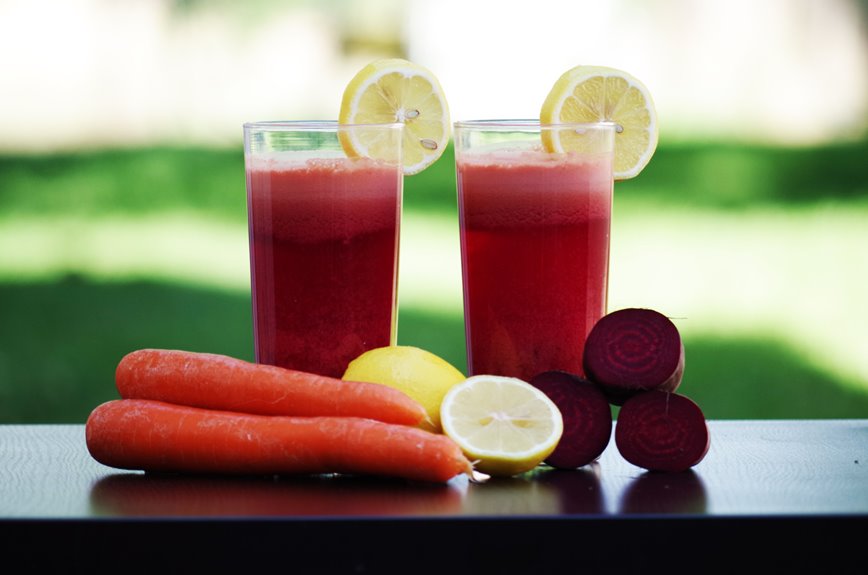
If you want something cozy, try carrots and beets with apple or ginger. For a lighter sip, pair celery and cucumber with lemon or mint. Seasonal flavor pairings help you match your juice to what you crave, so your glass feels familiar and inviting.
You can also use peas or kale if you thaw them fully and cut them small. Keep your mix simple, and you’ll feel right at home with every pour.
Which Frozen Vegetables Don’t Juice Well?
Some frozen vegetables don’t work well in a juicer, even after they thaw.
Leafy greens like spinach, kale, and chard can be difficult because they shrink into a limp mass and produce poor texture.
Corn, peas, and broccoli can also cause problems, since their starch and fiber can clog parts and leave you with less juice than expected.
Artichokes and asparagus can behave the same way, often turning stringy or mushy.
For the best results, choose vegetables that stay smooth and break apart cleanly.
If a frozen vegetable seems dense, fibrous, or grainy, it’s usually better to skip it.
Should You Thaw Frozen Vegetables Before Juicing?
Yes, you should thaw frozen vegetables before juicing because a juicer works better with soft, fully thawed pieces.
If you skip that step, you can get poor juice yield, a lumpy texture, and extra strain on your machine.
A little patience here helps you get smoother juice and less frustration.
Thawing Versus Juicing
Before you juice frozen vegetables, thaw them fully because a juicer works best with soft, evenly textured produce. Matching your prep to the machine helps the process go more smoothly. Thawing methods can be simple, and juicer compatibility matters too.
| Method | Time | Best For |
|---|---|---|
| Fridge thaw | Overnight | Safe, steady prep |
| Cold water bag | 30 to 60 min | Faster planning |
| Counter thaw | 1 to 2 hr | Small batches |
| Drain well | After thaw | Cleaner feeding |
| Check manual | Quick | Model fit |
Once you thaw the vegetables, the juice flows more easily without forcing the motor. That means less stress for you and your kitchen buddy. If a package still feels icy in the middle, give it more time. Then you can move through the process with confidence and a smoother juicing routine.
Texture And Yield
Thawing can make a big difference in both texture and yield because frozen vegetables often hold sharp ice crystals that block smooth juicing. When you let them soften, you help your juicer extract more liquid and produce less foam. That means better juice and fewer bitter bits in the pulp.
You’ll also notice stronger pulp separation quality, since thawed pieces break down more evenly. If you skip thawing, you can get watery ice crystal dilution, which weakens flavor and reduces yield. Give your vegetables time to warm up slightly, then drain off any extra liquid before juicing.
This small step helps you produce cleaner, richer juice without straining your machine.
What Juicer Works Best for Frozen Vegetables?
If you want the best juicer for frozen vegetables, a masticating juicer is usually the safest choice because it handles thawed produce with steady pressure and less strain. Slow press models are also a good option, since they give you better control and smoother juice.
When you shop for freezer friendly appliance features, look for strong augers, wide feeds, and parts that clean up quickly. Those details matter when you’re working with thawed vegetables that still feel dense.
Centrifugal juicers can work with softer mixes, but they often leave more pulp and produce less juice. If you want a juicer that feels reliable in your kitchen, choose one built for gentle processing, not brute force.
How to Juice Frozen Vegetables Safely
To juice frozen vegetables safely, thaw them completely first, since partially frozen pieces can clog your juicer and strain the motor. Let them soften in the fridge or in a sealed bag in cool water, then drain off any extra liquid before you start.
After that, cut larger pieces smaller and juice them gently so you get smoother juice and easier cleanup.
Thawing Before Juicing
When you want to juice frozen vegetables safely, full thawing is a step you shouldn’t skip. You’ll get smoother juice, and you’ll feel more confident using your equipment. Good thawing methods make a real difference, and proper freezer storage helps keep vegetables ready for later. Try this simple process:
- Move the vegetables to the fridge overnight.
- If you’re short on time, place them in sealed bags in cool water.
- Wait until every piece feels soft, not icy.
- Drain excess liquid before juicing.
When you thaw them fully, you improve results and reduce problems. Keep the pieces small, stay patient, and let the freezer handle the prep work without rushing the finish.
Safe Juicing Practices
For safe juicing, treat thawed vegetables with the same care you’d use for any fresh produce, because proper preparation improves both juice quality and machine performance. Start by thawing them safely in the refrigerator or in sealed cold water, not on the counter, to reduce the risk of bacterial growth.
Then drain off excess liquid, trim tough stems, and cut the pieces small enough to move easily through the juicer. Clean the equipment before and after each batch, since old pulp can collect in blades and screens.
If the juicer starts to jam, stop and clear it instead of forcing it. This protects the machine, keeps the juice smooth, and supports safe kitchen practices.
How to Improve Flavor and Juice Yield
Frozen vegetables can still make a tasty juice, but the flavor and yield improve a lot when you handle them with a little care at the start.
You’ll get better results if you thaw them fully, since softer pieces release more juice and blend into a smoother drink.
For ingredient pairing, mix them with fresh apples, cucumbers, or citrus so the juice tastes bright rather than flat.
Try these steps:
- Start with mostly fresh produce.
- Add thawed vegetables in small handfuls.
- Use sweet or tart fruit to balance the flavor.
- Taste, then adjust before pouring.
This keeps you in control and helps you make juice that suits your group.
If a vegetable tastes mild after freezing, a little lemon, ginger, or parsley can lift the flavor without overpowering it.
How to Keep Your Juicer From Clogging
To keep your juicer from clogging, start with vegetables that have fully thawed and feel soft all the way through because stiff or icy pieces can jam the feed chute and slow everything down. You’ll make life easier for yourself whenever you cut larger pieces into smaller chunks and keep your feed pacing steady, not rushed.
If you dump in too much at once, the machine can back up and leave you stuck with a messy pause. Wipe away pulp from the screen as part of your maintenance routine, and check the chute between batches so buildup doesn’t sneak in. Also, keep a bowl nearby for any tough bits that need another turn. With a little care, your juicer stays smooth, and you feel more at home in your kitchen.
Can You Juice Frozen Leafy Greens?
Although you can use thawed leafy greens in juice, you shouldn’t put them into a juicer while they’re still frozen because ice crystals can clog the machine and reduce extraction quality. You’ll get better results after letting them soften first, and the juice will have a smoother texture and better nutrient retention.
- Thaw the leafy greens in the fridge.
- Drain off excess water.
- Feed small handfuls into the juicer.
- Drink the juice soon for the freshest taste.
If you keep the process gentle, you can protect flavor and avoid a slushy mess. Thawed leafy greens still work well in your routine, so you can enjoy a bright green drink without any trouble.
Can You Juice Frozen Root Vegetables?
If you want to juice frozen root vegetables, the short answer is yes, but only after they thaw completely. Give them time to thaw, and you protect your juicer while keeping the flavor intact. Carrots, beets, and parsnips soften as they thaw, which improves flow and reduces clogging.
You may also notice more natural sweetness, which can make the juice taste smoother and more balanced. Don’t rush the process, because the right texture matters for clean extraction. Let the vegetables drain if they release extra water, then cut them into smaller pieces.
This approach helps you work with your machine, not against it. If you’re unsure, that’s normal. Following this step helps you juice with more confidence and less effort.
Frozen Vegetable Juice Recipes to Try
Frozen vegetable juice recipes can be a smart, low-stress way to make juice when fresh produce is running low, and they can still taste bright and satisfying once you thaw the ingredients first.
Try these recipe combinations whenever you want easy wins:
- Spinach, cucumber, and green apple for a clean, friendly sip.
- Carrot, celery, and beet for a bold, earthy blend.
- Kale, pear, and lemon for crisp flavor pairings that feel lively.
- Broccoli, parsley, and green grape for a fresh, lightly sweet mix.
You will fit right in once you start with thawed vegetables and keep the flavors balanced. If one blend feels too strong, add a little fruit or water from the thawed produce. That way, you can make juice that tastes like it belongs at your table.
How to Store Fresh Vegetable Juice
Once you have made a fresh vegetable juice blend you enjoy, the next step is to keep it as bright and tasty as possible. For best juice storage, pour it into airtight containers right away, then fill them close to the top so less air can get in and dull the flavor. Chill the juice quickly, and keep it in the coldest part of your fridge, where it will stay well chilled.
| Step | What You Do | Why It Helps |
|---|---|---|
| 1 | Use clean jars | Reduces the risk of contamination |
| 2 | Seal tightly | Helps protect freshness |
| 3 | Refrigerate quickly | Slows flavor loss |
If you make extra, label the container with the date and drink it soon. That helps you keep the juice fresh and avoid a flat taste.
What to Do With Leftover Frozen Vegetables
Leftover frozen vegetables don’t need to sit in the back of your freezer and lose their value. There are plenty of easy ways to use them. When you do a quick freezer cleanup, you free up space and save money at the same time.
For leftover meal prep, thaw them first, then add them to meals that feel warm and familiar.
- Stir them into soup for a quick, cozy bowl.
- Toss them with pasta, rice, or noodles.
- Bake them into a casserole with cheese or sauce.
- Blend them into smoothies or savory dips.
You can also mix small amounts into omelets, pot pies, or skillet dinners. This helps you use what you have without stress, and it keeps your kitchen running more smoothly.
Frequently Asked Questions
Can Frozen Vegetables Be Used in a Blender Instead of a Juicer?
Yes, you can use frozen vegetables in a blender, and they usually work better there than in a juicer. For blending, add some liquid and expect a thicker texture than juice. The result will be more like a smoothie.
Do Frozen Vegetables Need Blanching Before Freezing for Juicing?
Yes, you often should blanch them first. Blanching can help preserve color and nutrients, and proper freezing preparation can help your juice taste fresher. In many home kitchens, properly prepped produce freezes better and is easier to use later.
How Long Can Thawed Frozen Vegetables Sit Before Juicing?
You should juice thawed frozen vegetables within 24 hours, and sooner is better for safety and freshness. If they smell off, feel slimy, or have sat unrefrigerated, do not use them.
Can You Refreeze Thawed Vegetables After Deciding Not to Juice Them?
No, you should not refreeze thawed vegetables unless they have been kept cold and are still safe. Think of freezer safety as a kitchen guardrail. It helps protect your crew, reduce food waste, and keep your options open.
Are Store-Bought Frozen Vegetables Better Than Home-Frozen Ones for Juicing?
No, not necessarily. You can get similar nutrition from either option if they are frozen properly, but home-frozen vegetables may have a fresher flavor. Choose the option you trust, then thaw them fully before juicing.