You can juice celery in a slow juicer, a centrifugal juicer, or even a blender with straining, but each one changes the result in a different way, and that difference matters more than you may realize. If you have ever fought with stringy stalks or ended up with a foamy mess, you are not alone. The right machine can make celery juice smooth, fresh, and easy, while the wrong one can turn it into a stubborn chore.
Can You Juice Celery in Any Juicer?
Yes, you can usually juice celery in most juicers, but the results can vary depending on the machine. Check juicer compatibility first, because chute size and power affect how smoothly the stalks feed through. If your juicer has a narrow feed, cut the celery into shorter pieces so it doesn’t jam.
If it accepts larger stalks, you can often feed them one rib at a time. These methods help you stay in control and reduce waste. A blender can also work, but you’ll need to strain the pulp after blending. With proper prep, the process is easier, and you’re more likely to get fresh, clean juice.
Best Juicers for Celery Juice
When you want the best juicer for celery juice, a slow masticating juicer usually offers the smoothest process and the least hassle.
You’ll often get better celery juice yield too, since it squeezes the stalks more thoroughly instead of pushing them through quickly.
If your goal is cleaner juice with less foam and fewer clogs, this type of juicer can be a practical choice for your morning routine.
Slow Masticating Juicers
Slow masticating juicers are often the best match for celery because they work at a slower pace, press the stalks gently, and usually produce a cleaner, smoother juice. You’ll notice better motor efficiency when the machine doesn’t strain against fibrous stalks, and that can help you feel more confident using it day after day.
These juicers also manage pulp flow well, so the fibers move through without backing up or clogging the chute. When you want a calmer, less messy juicing routine, this style fits well.
You can feed celery in small pieces, let the auger do its job, and trust the machine to handle the texture with less fuss. That makes your kitchen easier to use, and that’s a real benefit.
Celery Juice Yield
A good celery juicer should give you strong yield, smooth flow, and less waste, so you get more juice from each stalk without fighting the machine.
When you choose a slow juicer, you usually get better juice volume and fewer stringy leftovers. That means you can fill your glass with less celery and feel good about it.
Still, yield differences can show up quickly between models. A wide chute may handle longer ribs, while a narrow one may need chopped pieces to keep the flow steady.
If you feed celery slowly, you help the machine squeeze more out and avoid clogging.
With a centrifugal juicer, you may lose a bit more juice, but careful prep still helps you get a decent pour and a smoother routine.
Why Celery Juices Better in Some Machines
Celery juices better in some machines because the stalks are long, stringy, and full of water, and that combination can either move smoothly or cause problems quickly. You’ll notice the difference in juicer chute design and motor torque.
- Wide chutes let celery feed in more easily.
- Narrow chutes require more cutting first.
- Stronger motors keep the flow steady.
- Better blades or screens move pulp along.
- Cleaner paths help reduce clogging.
When the machine matches celery’s shape, you get less bunching and more juice with less effort.
When it resists the stalks, you end up doing extra prep and more pushing at the feed tube. That’s why the right fit feels reliable in the kitchen.
How Slow Juicers Handle Celery
When your machine has the right shape and power for celery, a slow juicer usually makes the job much easier. You feed the stalks slowly, and the auger presses them instead of chopping them hard. That gentler motion helps you get more juice and less foam, so your glass feels fresher and smoother.
With motor speed control, you can keep the feed steady and avoid strain. A smart pulp ejection design also keeps the chamber clear, so celery strings don’t build up and slow you down. If you prep the ribs in short pieces, you usually feel more in control, and the juicer can work with you rather than against you.
How Centrifugal Juicers Handle Celery
So, how well does a centrifugal juicer handle celery? It can produce decent juice, especially when you work at the machine’s pace. Centrifugal models spin quickly, so they break down celery fast, but they also create more pulp and a thinner texture. That’s why chute loading matters so much. If you add too much at once, the flow becomes messy and the yield drops.
- Wash and trim the stalks first
- Cut the ribs into short pieces
- Feed them in small handfuls
- Use the lowest speed setting, if your juicer has one
- Stop and clear the chute once it starts to crowd
With careful feeding, you can keep the process smooth and get better results from a centrifugal juicer.
Can You Juice Celery in a Blender?
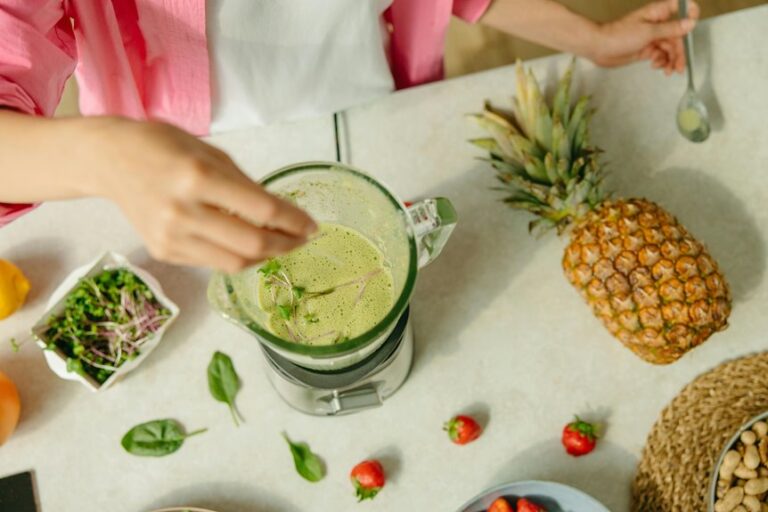
If you don’t have a juicer, a blender can still get the job done with a little extra effort. You can blend clean celery with a small splash of water, just enough to help the blades catch the stalks. Then pour the mixture through a fine sieve, cheesecloth, or nut milk bag.
This straining step removes most of the pulp and gives you a smoother drink. If the mixture feels too thick, add a little more water, but keep it light so the celery flavor stays bright. You may notice some foam or separation, and that’s normal.
For a simpler routine, work in small batches and drink it soon after making it. That way, you can make celery juice without extra gear.
How to Get More Juice From Celery
Choose bright, crisp celery because fresh stalks give you more juice and a cleaner taste.
Trim the base and tops, rinse the ribs well, and cut them into pieces that fit your juicer so they feed smoothly.
If your juicer tends to clog, smaller prep can help you squeeze out more liquid with less fuss.
Choosing Fresh Celery
Fresh celery can make a bigger difference than most people expect, because crisp stalks give you more juice, less waste, and a smoother flow through the juicer. When you focus on celery freshness, you set yourself up for better results and less frustration. You make a smarter choice when you do this right.
- Pick bright green stalks with firm ribs.
- Avoid limp or rubbery bunches.
- Choose bunches with tight leaves and a clean snap.
- Check for brown spots or dry ends.
- Buy only what you can use soon.
Selecting crisp stalks helps your juicer work with you, not against you. If the celery feels lively in your hands, it usually gives up more liquid and tastes cleaner too.
Prepping Celery Stalks
Now that you have picked celery with a crisp snap, it’s time to prep the stalks so your juicer can do its job without resistance.
Start with a good rinse under cool water, then shake off the excess. Next, trim the celery by cutting away the base, any wilted leaves, and bruised ends. After that, focus on stalk size. If your juicer has a narrow chute, slice the stalks into 2 to 3 inch pieces. If it takes larger pieces, keep them longer and feed them slowly. This helps prevent strings from bunching up and gives you a steadier flow. You aren’t overthinking it. You’re making the machine’s job easier, and yours too. That’s the kind of kitchen teamwork that works well.
How to Prep Celery for Juicing
Before you feed celery into your juicer, take a minute to prep it properly. That small step can save you a lot of frustration at the machine.
Start by washing and trimming the stalks well, then cut them to a size that matches your juicer’s chute and is easy to handle. Many celery fans do the same to keep the process smooth.
- Rinse off dirt under cool water.
- Slice off the leafy tops if you want a cleaner flavor.
- Trim the root end and any brown spots.
- Cut long ribs into 2 to 3 inch pieces.
- Keep the pieces neat so feeding feels steady.
If your juicer accepts whole ribs, you can leave them longer. Still, smaller pieces often help you stay confident and keep the flow going.
Common Problems When Juicing Celery
Even with the right prep, celery can still cause a few sneaky problems in your juicer, and that can feel annoying when you just want a clean glass of juice. You may see string clogging when long fibers wrap around the screen or blades, especially when you feed whole ribs too fast.
Narrow chutes can also cause feeding jams, since celery bends before it slides in. If your juicer starts to strain, slow down and add smaller pieces one at a time. That helps the machine keep its grip and reduces messy backups.
You may notice lower yield too, because stubborn stalks can leave juice behind. When that happens, stay patient. Your juicer isn’t failing you, it just needs a gentler pace and a steadier rhythm.
How to Clean a Juicer After Celery
After you juice celery, pulp can hide in the screen, blades, and chute, so a quick cleanup helps keep your machine working well.
Wash the parts right away, since celery fiber can dry fast and stick firmly.
If you handle the buildup now, you’ll make the next round of juicing easier and help your juicer stay clear.
Remove Pulp Residue
Once you finish juicing celery, a quick cleanup can save you from stubborn pulp that dries into a sticky mess. You’ll feel better once the pulp residue comes off fast, and your juicer stays ready for tomorrow’s glass.
Start by tapping out loose bits, then use straining methods for any celery strands left behind. A soft brush or damp cloth helps you reach corners without scratching. Keep it simple:
- Empty the pulp cup right away
- Scrape off wet fibers
- Rinse the screen before it sets
- Check concealed grooves for clumps
- Wipe the base if splashes land there
Once you stay on it, the job feels easy, and you won’t face that crunchy surprise later.
Wash Juicer Parts
Because celery leaves behind fine fibers and sticky juice, you should wash the juicer parts right away so cleanup stays easy. Initially, unplug the machine and take it apart with care. Then wash detachable parts in warm, soapy water, and use a soft brush to reach screens, seams, and small corners. If your model allows it, rinse each piece well so no soap stays behind.
Next, wipe the base with a damp cloth, since moisture can damage the motor area. After that, sanitize juicer components that touch the juice, especially if you make celery often. Dry every part fully before you store or reassemble them. When you handle cleanup this way, you keep your routine calm, your kitchen fresher, and your next juice session welcoming.
Prevent Celery Buildup
Celery can leave behind long fibers, starchy juice, and small green bits that tend to stick in tight spaces, so clean promptly before buildup sets in. If your juicer looks a little fuzzy after celery, that’s normal. Start by unplugging it and rinsing the parts right away. Then use the reverse function, if your model has one, to loosen trapped strands. Feeding celery slowly also helps prevent a packed chute later.
- Pull out the screen and brush it well.
- Rinse pulp from the chute before it dries.
- Check seals and corners for hidden fibers.
- Wash blades and augers with warm, soapy water.
- Dry each piece fully before storing.
That quick routine keeps buildup low and makes your next celery batch easier.
What to Do With Leftover Celery Pulp
| Use | Best For | Tip |
|---|---|---|
| Soup | Thickening | Add a spoonful |
| Muffins | Extra fiber | Mix with flour |
| Compost | Garden soil | Blend with scraps |
You can also freeze small portions, then drop them into sauces or veggie burgers whenever you need them. This helps reduce waste and lets you use every bit.
How Celery Juice Changes Taste and Texture
Since you have already saved the leftover pulp for soups, muffins, or the compost bin, the next thing you’ll notice is how the juice itself feels in the glass.
You get a clean, green sip, but celery also brings flavor dilution, so the taste becomes lighter and less grassy than the stalks you started with. That shift can feel welcoming if strong vegetable flavor usually puts you off.
- You’ll taste mild saltiness.
- You’ll notice a thinner, smoother pour.
- You may feel less fiber on your tongue.
- You’ll see a clearer look after straining.
- You might notice gentle mouthfeel changes as it sits.
Because the fiber is gone, the juice feels brisk, almost crisp. Fresh juice keeps the best snap, while waiting softens both taste and texture.
Which Juicer Is Best for Celery?
So, which juicer gives celery the best result? You’ll usually get the strongest juice extraction from a masticating juicer, especially a slow model with a narrow chute and reverse function.
In this juicer comparison, it performs better than most centrifugal machines because it crushes celery gently and helps keep the juice fresher.
Some models let you feed in whole ribs, but you’ll often do better with 2 to 3 inch pieces. That small prep step helps prevent clogging and keeps you in control.
A centrifugal juicer can still work, and it’s useful when you’re in a hurry, but it may leave wetter pulp.
If you don’t own a juicer, a blender can also help, as long as you strain the mix well.
Frequently Asked Questions
Can You Juice Frozen Celery in a Juicer?
No, you should not juice frozen celery directly. Its frozen texture can strain your juicer and affect the quality of your batch. For better results, thaw the celery safely first, then feed small pieces into the juicer for smoother, fresher juice.
Does Organic Celery Juice Better Than Conventional Celery?
You do not automatically get better juice from organic celery than from conventional celery. The main differences are nutrient levels and pesticide exposure. Choose crisp, fresh stalks you trust, and either option can make great juice.
Can Celery Leaves Be Juiced With the Stalks?
Yes, you can juice celery leaves with the stalks, and doing so can improve leaf use and deepen the flavor. The juice will have a slightly stronger, greener taste, so start with a small handful and adjust to your preference.
Should You Peel Celery Before Juicing It?
No, you usually do not need to peel celery before juicing it. Just wash, trim, and cut it. Good celery preparation and simple juicing tips help you achieve smooth results every time.
Can You Mix Celery With Other Fruits or Vegetables?
Yes, you can blend celery with fruits or vegetables. The flavor combinations can help balance the taste, making the juice easier to enjoy and suited to your preferences.