Yes, you can blend seeds in a blender, but the result depends on the seed type and your machine’s strength. Soft seeds like chia and flax usually break down quickly, while tougher ones may need more care. If you start with clean seeds, add a little liquid at first, and use short pulses, you can avoid clumps and excess heat. Once you know which seeds work best, the process becomes much easier.
Can You Blend Seeds in a Blender?
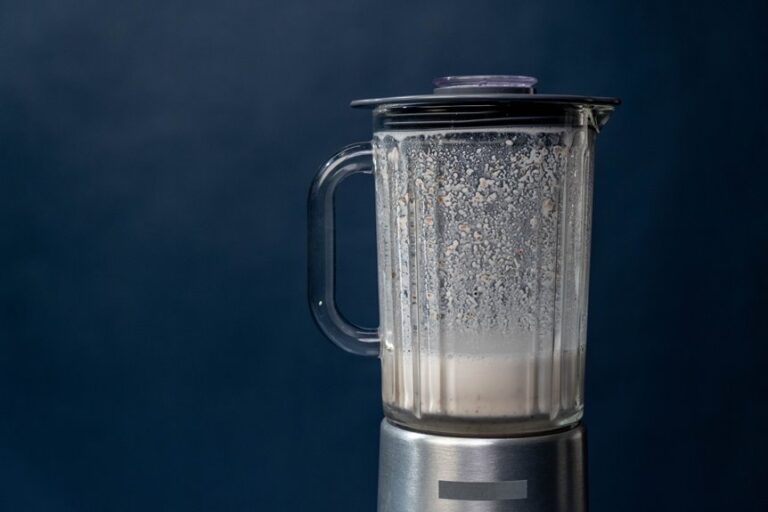
Yes, you can blend seeds in a blender, but how well they break down depends on the seed and the machine you use. Many home cooks ask the same question about blender suitability.
A strong blender can handle soft seeds and even some harder ones, while a basic model may leave bits behind. That’s where seed blending limits become clear.
Small batches, enough liquid, and short pulses help the blades process the seeds more evenly. When your blender struggles, don’t blame yourself, the tool may simply need support.
For smoother results, soak the seeds first or use a higher powered machine. With the right setup, you can get closer to the texture you want without guesswork.
Which Seeds Blend Best?
Soft seeds like flax and chia usually give you the smoothest start because they break apart more easily in a good blender.
For the best results, high-speed models are usually better because they handle berry seeds and other small hard seeds more effectively than basic blenders.
Grinding time also matters, since a few short bursts often work better than one long run.
Soft Seeds First
When you want the easiest seeds to blend, start with softer ones like chia and some berry seeds because they usually break down more easily than tougher seeds. Seed texture matters a lot, and gentle blending can help you stay in control instead of feeling frustrated. Try this simple approach:
- Add a small amount of liquid first.
- Use short pulses.
- Keep the batch small.
- Stop once the mixture looks smooth enough.
Chia often softens quickly, so you get a smoother blend with less strain on your blender.
Some berry seeds can come next, but they may still leave tiny bits. That’s acceptable. You aren’t failing, you’re learning how each seed behaves. With a steady pace, you’ll build confidence in the process.
Best Seeds For Blending
Chia seeds, flaxseeds, and some berry seeds usually blend best because they disintegrate more easily and work well in smoothies, powders, and seed meals. You’ll get the smoothest results with these because they break apart with little effort. Flaxseeds work well for rich, nutty flavor pairings, while chia adds a mild taste that disappears into fruit blends.
Berry seeds can suit tart drinks and bold recipe customization, especially when you want extra texture without drawing attention. If you’re building your own mix, start with these friendly seeds first. They help you feel confident in the kitchen, even when you’re still learning your blender’s style. From there, you can try smaller amounts of harder seeds and see what fits your taste and goals.
Grinding Time Matters
Grinding time matters because the best seeds to blend are often the ones that break down quickly before your blender gets tired. You’ll get better results when you match seed type to pulse duration and batch timing, so your jar stays active without slowing down. If you want your crew to win at seed blending, try this:
- Start with flax or chia in small batches.
- Use short pulses to keep heat low.
- Add liquid first so seeds move freely.
- Stop early if grape or berry seeds turn bitter.
High powered blenders handle harder seeds best, while softer seeds break down faster and fit smoothie goals. When you listen to the motor and adjust timing, you’ll feel more in control and get a smoother mix with less waste.
How to Prepare Seeds for Blending
Before blending, clean the seeds so bits of husk, dust, or small stones don’t end up in the mix.
If the seeds seem dry or hard, soak them for a few hours to soften them and reduce the strain on your blender.
A little preparation now can help you avoid a noisy machine and a gritty result later.
Seed Cleaning
Clean seeds matter more than most people think, because bits of dirt, husk, and leftover plant matter can affect both taste and texture in your blender. You fit right in when you take a minute to rinse and remove debris before blending. Start with a fine strainer, then do this:
- Rinse seeds under cool water.
- Rub off loose husks with your fingers.
- Pick out tiny sticks or stones.
- Spread seeds on a towel and let them dry fully.
That extra care helps your blender work with the seeds, not against them. When you clean them well, you protect flavor and avoid gritty surprises. If you’re making smoothies or seed meal, this simple habit makes your kitchen feel calmer, cleaner, and more welcoming for every batch.
Soaking Methods
Soaking seeds can make blending much easier, especially when you want a smoother result and less strain on your machine.
For flax, chia, or berry seeds, use an overnight soak by covering them with clean water and letting them rest for 4 to 8 hours. This softens the outer shell and helps the blades process them faster. If you’re short on time, try a quick soak.
Pour hot water over the seeds, wait 15 to 30 minutes, then drain them well. After soaking, add a small amount of liquid first, then blend in small batches. This simple prep can help improve texture, reduce noise, and limit stubborn bits.
How to Choose the Right Blender Speed
How do you choose the right blender speed when blending seeds? Start low, then increase speed carefully. Use your blender with control and attention. Begin with pulse settings to break seeds apart without turning them into dust too quickly. Then use speed control to keep the mixture moving.
- Choose low speed for flax and chia.
- Use medium speed for soft berry seeds.
- Switch to high speed only if pieces stay whole.
- Stop often and check the texture.
This steady approach helps protect flavor and produce even results. If your blender strains, slow down and let the blades catch up. That short pause can help create a smoother seed blend that’s easier to enjoy.
How to Add Water When Blending Seeds
Whenever you add water to seeds, the ratio matters because too little can make them stick and spin, while too much can thin the mix quickly. Start with a small splash, then add more only if the blades need help moving the seeds around.
You’ll usually get the smoothest result by pouring the water in first, then adding the seeds so they blend more evenly.
Water Ratios Matter
Water ratios matter because seeds can absorb a lot of liquid and change the texture of your blend. You want enough water to help the blades move, but not so much that you lose body. The right water consistency gives you a smooth result that feels right for your kitchen crew. Try this simple guide:
- Start with a small splash.
- Add more only when the seeds begin to stall.
- Keep dilution control in mind for flavor.
- Stop when the mix looks even, not watery.
When your blend feels thick, add water slowly and blend again. When it turns thin too fast, you can’t undo it.
With a little care, you’ll get a texture that fits your batch and keeps you in the mix.
Best Blending Order
The best blending order starts with a little liquid because that gives the blades room to move and keeps the seeds from locking up at the bottom.
You’ll feel more in control once you build your jar with smart ingredient layering.
Pour in water first, then add soaked or pre-ground seeds, and finally the thicker items.
This order helps your mix start fast instead of fighting the blade.
Next, use short pulse sequencing so the seeds catch, drop, and move again.
If the mix looks dry, add a splash of water, not a flood.
A little at a time keeps your texture smooth and your blender happier.
You aren’t doing it wrong if it takes a few rounds.
You’re just giving the seeds the best chance to disintegrate well.
How to Keep Your Blender From Overheating
A busy blender can heat up fast, especially if you keep it running too long or pack in tough ingredients, so a few smart habits can help prevent a smoky surprise. If you use your blender often, treat it carefully and it will still give you great results. Try this:
- Use cooling breaks between batches so the motor can rest.
- Choose pulse blending to reduce motor strain and keep control.
- Start with small loads, then add more only after the jar feels steady.
- Stop right away if you smell warmth, and let the machine cool before you continue.
Also, keep the vents clear and place the blender on a firm surface. This simple care helps your blender stay ready, and it keeps your kitchen calm instead of stressed.
How to Make Seed Flour in a Blender
Even if your blender isn’t a top-end model, you can still make seed flour with care and the right method. Start with dry seeds, then add a small batch so the blades can catch them. For the basics of seed flour, pulse in short bursts instead of running the machine nonstop. This helps you reach a fine meal consistency without heating the seeds too much.
If your blender has trouble, stop and shake the jar, then blend again. You can also add a spoonful at a time for better control. When the texture looks even, sift it if you want a lighter flour. With patience, you’ll get a flour that feels homemade and fits well in your kitchen.
How to Blend Seeds for Smoothies
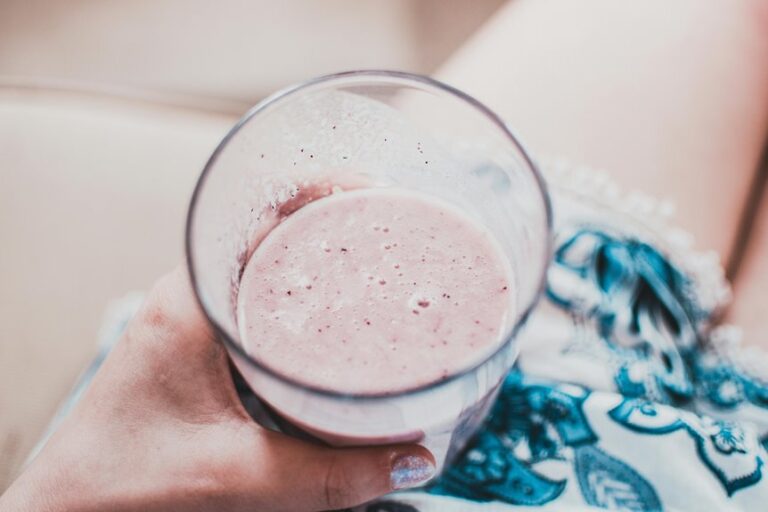
You’ll get the best smoothie texture when you choose seeds that match your blender’s power, such as softer chia or flax in a strong machine.
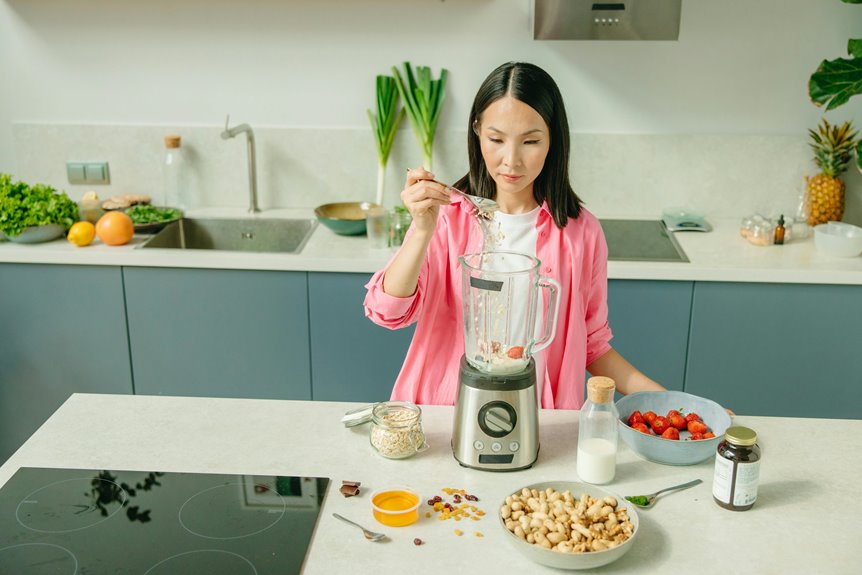
Start with small amounts and enough liquid so the seeds can move freely instead of clumping at the bottom.
Then blend in short bursts until the mixture looks smooth, creamy, and easy to drink.
Choosing The Right Seeds
The right seeds can make a smoothie richer, creamier, and more filling, but not every seed blends the same way. When choosing seeds, consider differences in seed hardness at the outset. Soft chia and hemp usually work well in most blenders, while flax, berry, and grape seeds need more power. If you’re selecting seeds based on blender type, match the seed to your machine so you don’t waste ingredients or patience.
- Pick chia for easy blending.
- Try flax only if your blender is strong.
- Use berry seeds in small amounts.
- Save very hard seeds for high speed models.
That way, you can feel confident in your kitchen and make smoothies that suit your crowd.
A good match helps you blend with less guesswork and more success.
Blending For Smooth Texture
For a smooth smoothie, start with seeds that match your blender and your texture goals, because that choice can help you avoid a gritty sip and unnecessary kitchen frustration. You’ll get smoother seed textures when you add liquid first, then seeds, so the blades can catch them quickly. Use small batches, and pulse in short bursts instead of running the machine nonstop.
If your blender struggles, soak the seeds first or pre-grind dry ones such as flax. Then add frozen fruit to improve circulation and create a colder blend. Scrape the sides if needed, and keep blending only until you see a creamy, even texture. That way, you stay in control and build a smoothie that feels right for you.
How to Use Blended Seeds in Recipes
Once your seeds are blended, they can do much more than sit in a smoothie and look healthy. You can stir them into oatmeal, yogurt, and pancake batter for easy seed meal recipes that feel more personal. You can also use them as blended seed toppings on toast, fruit bowls, or cottage cheese, which helps your meals feel a little more complete and less like a solo snack.
- Mix into muffins for a nutty lift.
- Blend into sauces for extra body.
- Sprinkle over salads for crunch.
- Stir into energy bites for quick comfort.
You don’t need fancy cooking skills. Start small, taste as you go, and enjoy the satisfaction that comes from making everyday food feel more nourishing and more your own.
How to Fix Common Blending Problems
If your blender starts acting stubborn, you aren’t doing anything wrong, and that’s a relief. First, add liquid before seeds so the blades can grab them. If the mix stalls, stop and use blade clogging fixes such as scraping the jar sides, shaking it gently, or pulsing in short bursts.
Next, check seed circulation troubleshooting by lowering the batch size and keeping the lid on tight. Too much food can trap seeds above the blades, but a smaller load helps everything move. If your blender still spins without breaking seeds down, try soaking them first or switch to a stronger setting. A few small adjustments usually get you to a smooth mix quickly.
How to Store Blended Seeds Properly
Store blended seeds in an airtight container right away so they keep their flavor, texture, and nutrition. Keep the jar in a cool, dark place, and use a clean, dry spoon each time. Label the date.
Portion small amounts for quick use. Try freezer portioning for longer storage. Shake gently before opening to reduce clumps.
When you blend flax, chia, or mixed seeds, this method helps them stay fresh longer and taste better in your next smoothie or bowl. Moisture is the main concern, so don’t leave the lid loose. With proper care, your seed supply will stay ready to use.
How to Blend Seeds Safely
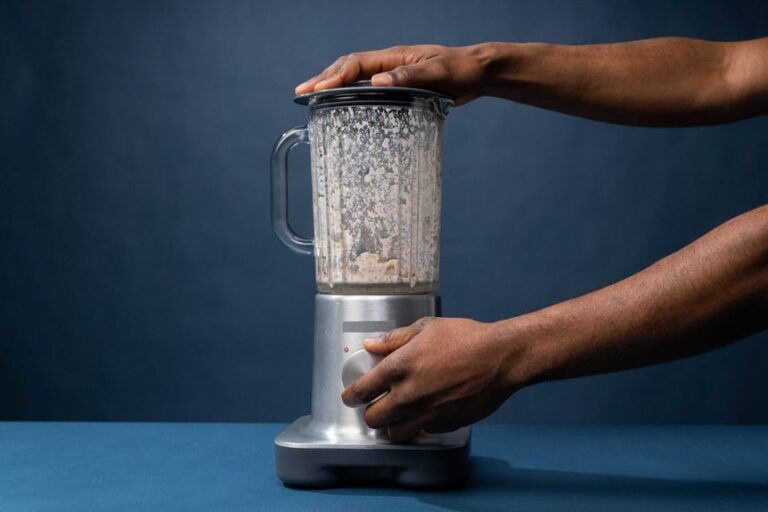
To blend seeds safely, protect both your blender and yourself, because a few simple habits can prevent mess, strain, and poor texture before they start. Start with a small batch, and add liquid first so the seeds move freely.
Use short pulses instead of long runs, and follow blade safety tips by keeping the lid locked before you turn it on. If your blender sounds stressed, pause and let it rest; that helps the motor and keeps you calm too.
For noise reduction, place the blender on a dry towel and begin at lower speeds. You should also stand clear of the lid, since hard seeds can shift quickly. With a steady pace, you can blend more safely and feel more confident.
How to Clean Your Blender After Seeds
After you blend seeds, a quick cleanup keeps your blender fresh and ready for next time. You aren’t just washing a jar; you’re protecting your kitchen routine and your peace of mind.
- Unplug the blender, then rinse the jar with warm water right away.
- Add a drop of soap and blend for 10 seconds to remove residue from the blades.
- Use a soft brush around the base and corners, where tiny seeds often hide.
- Rinse well, then let the parts air dry for odor free jar cleaning.
If seed bits cling to the lid or gasket, soak them for a few minutes.
Then wipe them clean with a cloth.
A tidy blender feels welcoming, and that makes your next smoothie session easier.
How to Preserve Nutrients While Blending
A clean blender sets you up for better nutrition, and the same care matters while you blend too. You can support nutrient retention by working fast, using cold ingredients, and choosing low heat blending. That helps fragile vitamins stay stronger, and it keeps the flavor bright.
| Move | Why it helps | Best use |
|---|---|---|
| Pulse | Limits friction | Seeds and fruit |
| Add liquid first | Helps flow | Thick mixtures |
| Use ice or frozen fruit | Lowers jar heat | Smoothies |
You should also blend in short bursts and stop whenever the mix turns smooth. Whenever your jar feels warm, let it rest for a minute. That small pause can help you keep more goodness in each sip and fit well with your routine.
Frequently Asked Questions
Can Seeds Damage Blender Blades Over Time?
Yes, seeds can cause gradual blade wear, but they usually will not damage your blender quickly. Their material hardness matters, so you will blend more safely using small batches and a high speed machine designed for kitchen use.
Do Blended Seeds Taste Different Than Whole Seeds?
Yes, you will usually observe a smoother, nuttier taste after blending seeds. The taste change depends on the seed type. Whole seeds often taste earthier, while blended seeds release more oil and stronger flavor.
Can You Blend Seeds Without Liquid?
Yes, you can, but only if your blender is strong enough. In dry blending basics, low seed moisture levels matter. You will need short pulses, small batches, and patience, like coaxing stubborn neighbors into one happy kitchen.
Are Blended Seeds Easier to Digest?
Yes, blended seeds can be easier to digest because blending breaks apart tougher shells, which may improve digestive comfort and nutrient absorption. You may also notice less grit, and your body can access more of the seed’s nutrients.
Can You Blend Seeds With Other Dry Ingredients?
Yes, you can blend seeds with other dry ingredients, and you will get a dry mix texture that works well for seed spice blends. Use short pulses, small batches, and a strong blender for the best results.