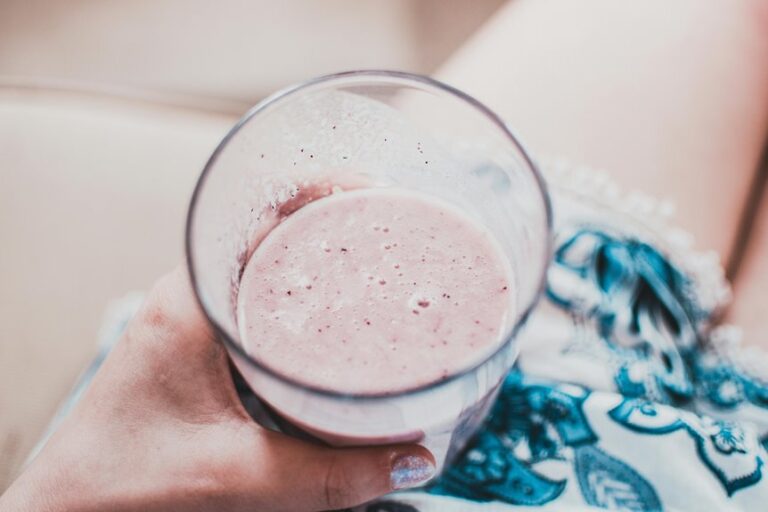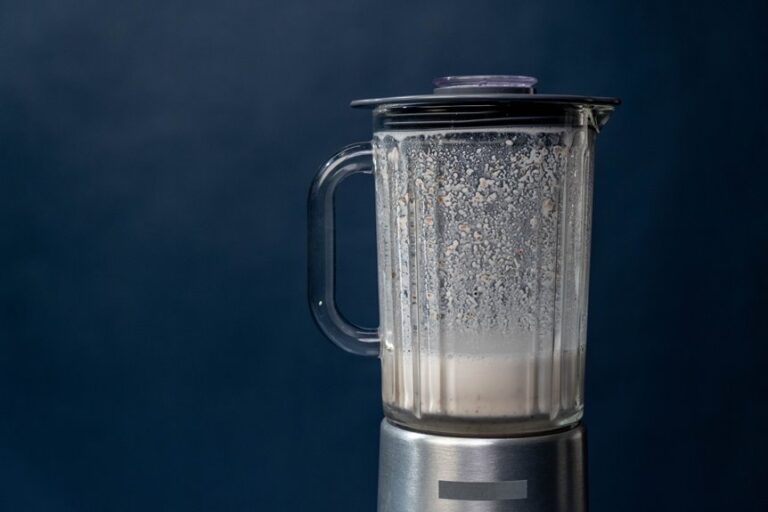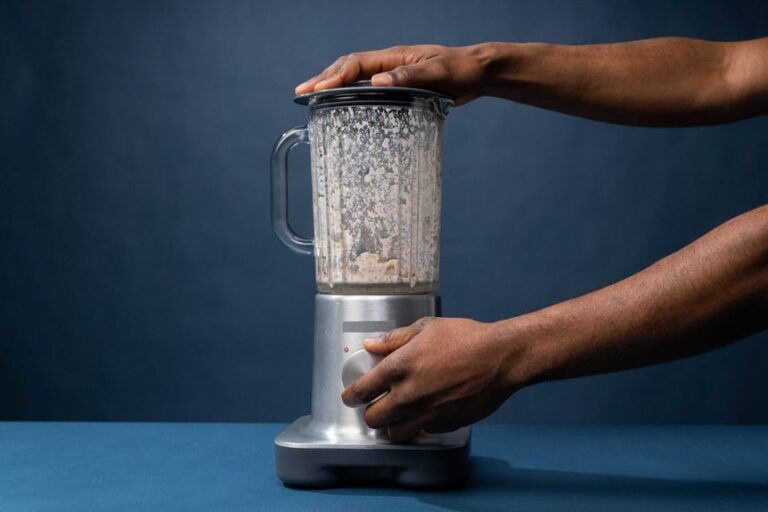
If your smoothie keeps turning into a chunky surprise, you are not alone. It usually means the ingredients are not moving the way they should. Thick blends, frozen fruit, too much in the jar, or a poor layering order can keep the blades from pulling everything down. Even dull blades or too little liquid can make things worse. Once you know what is blocking that smooth vortex, fixing it becomes much easier.
Why Your Blender Leaves Smoothie Chunks
So, why does your blender leave chunks in a smoothie? You’re usually facing weak circulation, not a broken dream. When the mixture is too thick, the blades can’t pull fruit, greens, or powders down into the vortex, so bits stay behind. Add liquid first, then build the rest on top, and avoid overloading the jar.
If the blend still stalls, pause and stir, then add a small splash more liquid to improve movement. Smoothie temperature balance matters too, because very cold ingredients can resist the blades. During blender noise troubleshooting, listen for a strained motor, since that often means the contents aren’t moving properly. With a little patience, you can get a smooth, even finish.
Common Reasons Smoothies Stay Chunky
You may still see chunks when you use hard fruit pieces such as frozen mango, strawberries, or ice that are too large for the blades to catch well.
If you don’t blend long enough, those pieces can stay stuck and never fully break down. Even a good recipe can turn chunky when the fruit is tough and the blending time is too short.
Hard Fruit Pieces
Hard fruit pieces are one of the biggest reasons smoothies stay chunky, even when the blender sounds like it’s working properly. When you add hard fruit, such as apples, pears, or frozen chunks, the blades can’t always break them down fast enough. You may notice small bits floating around, which can be frustrating when you want a smooth sip.
To help, cut fruit into smaller pieces before freezing, and let very hard pieces soften for a few minutes at the start. Also, layer them above the liquid so the blades can catch them more effectively. If the mixture still feels rough, pause and stir it briefly. That small step often brings the smoothie back together.
Insufficient Blending Time
Even a good blender can leave chunks behind if you stop too soon, because the ingredients need enough time to move, break apart, and fold back into the blades. You are not doing anything wrong; you may just need a longer blending duration. Give the smoothie a few more seconds, then check for hidden bits near the sides and top. If you still see chunks, add extra cycles instead of one long blast. That helps the mix settle and keep moving.
| Sign | What it means | What to do |
|---|---|---|
| Loud whirring | Food is not moving | Blend longer |
| Bits on top | Blade missed them | Pause and stir |
| Thick swirl | Flow is weak | Run extra cycles |
When you stay patient, your blender gets a fair shot, and you get the smooth cup you wanted.
Why Soft Ingredients Slip Past the Blades
Soft ingredients can still slip past the blades when the blades don’t reach them well enough, especially when the jar is too full or the load sits too high.
Ingredient bridging can also occur, where soft fruit or greens hang above the blades instead of falling into the swirl.
When the vortex is weak, the blender can’t pull everything down, so those softer pieces stay floating and only partially blended.
Blade Reach Limits
Sometimes the blender doesn’t miss the chunk because the ingredient is bad, but because it sits just beyond the blades’ reach. You can blend soft fruit and still hit a blade reach gap if the jar is wide or the fill level is too low.
That’s where blade length limits matter. Short blades only sweep a small circle, so berries, banana, or yogurt near the wall might just spin along. You aren’t doing anything wrong; the machine simply can’t catch every bit.
To help it, keep the load centered, add enough liquid, and avoid packing the jar too full. A gentle start also helps pull food down. Whenever the ingredients stay in the reach zone, you get a smoother sip and fewer surprise lumps.
Ingredient Bridging
Ingredient bridging is a sneaky blender problem, and it happens whenever soft food forms a little arch or pocket that sits over the blades instead of dropping into them.
You can see this when banana, yogurt, or spinach seems to hover and protect the chunks below. The blender isn’t broken, but the load isn’t settling the right way.
Watch for ingredient bridging patterns as soft pieces stack across the jar opening or cling in a loose mat. You can fix it by nudging the mix down, then using bridge breaking load placement.
Put heavier items lower, then add softer food in smaller layers. That simple shift helps everything fall through the blade zone, so you get a smoother blend and feel a lot less stuck.
Vortex Weakness Issues
When the vortex in your blender stays weak, soft ingredients can drift around instead of dropping into the blades. That’s when you get those small pockets of spinach, banana, or yogurt hiding in the mix.
You can fix this by giving the liquid room to move first, because thick loads can cause a circulation stall before the blades ever catch the soft ingredients. Add the liquid first, then softer ingredients, then greens, and save frozen pieces for the top.
Start on low, then pulse so the swirl builds before it fades into vortex collapse. If the mix still hangs up, pause and scrape the sides. You deserve a smoothie that feels smooth, not one that makes you hunt for the banana.
Add the Right Amount of Liquid
Getting the liquid amount right is one of the easiest ways to prevent chunky smoothies before they start. You want enough liquid for the blade to move freely, but not so much that the ratio is thrown off. A good starting point is about 1/2 to 3/4 cup of liquid for every 2 cups of solids, then adjust as needed.
If the blend looks stuck, add a tablespoon at a time and blend again. This small step helps you adjust smoothie thickness without flooding the jar or losing that creamy, even texture.
Add the liquid first as well. That gives everything room to circulate, so frozen fruit, seeds, and powders can join the mix instead of settling in stubborn pockets.
Don’t Overfill the Blender Jar
When you fill the jar past the fill line, your blender can’t move the smoothie around well, and the trapped mixture often leaves chunks behind.
Keep some space at the top so the blades can pull ingredients down and keep the blend moving.
If the jar looks packed, remove a little before you start, because a small gap can make a big difference.
Jar Fill Line
Should your blender keep leaving chunks, the jar fill line may be part of the problem. When you push past the fill line limits, you crowd the blade and trap fruit above it. That makes the blend stall, and you end up with icy bits that never join the party.
Check the safe jar capacity on your model, then leave space for the mixture to move and fold back down. If your smoothie looks packed, pour some out before you start.
You can also split one big batch into two smaller ones, which helps the blades catch every piece. This small habit can change the whole texture, and it makes your blender feel like it’s finally on your team.
Allow Blending Room
A cramped blender jar can turn a smooth blend into a stubborn mess fast. When you pack it full, the blades can’t move ingredients around well, so chunks stay trapped near the top or sides. You want to give ingredients space so the vortex can form and pull everything downward.
To avoid crowding the jar, fill it only partway, especially when you use frozen fruit, greens, or thick mix-ins. If your smoothie looks jammed, remove a little and blend again. That small reset often helps more than forcing the machine.
A roomy jar also lets you pour liquid in first and keeps the mix moving, which helps you stay in control instead of wrestling breakfast.
Layer Smoothie Ingredients the Right Way
Getting the ingredient order right can make a huge difference in how smooth your drink turns out. You can make ingredient layering work for you by building your smoothie in a smart sequence.
Pour the liquid in first so the blades can move freely. Then add soft fruit, yogurt, or nut butter, because these help create a flowing base. Next, add greens so they don’t clump near the top. Finish with frozen fruit, ice, or other hard pieces, since they sit on top and break down more evenly once blending starts. If you use powder, whisk it into the liquid first or sprinkle it between softer layers. This simple order helps your blender run more efficiently and helps you get consistent results with each batch.
Blend Smoothies in the Best Order
Once you’ve stacked your smoothie the right way, the next step is to blend it in a smart order so the whole mix can move, disintegrate, and stay off the walls. Start with liquid, then soft fruit, then greens, and finish with frozen pieces or ice. That simple smoothie assembly keeps the blade zone open and helps your ingredient layering work for you. When you add powders, whisk them into the liquid first so they don’t hide in pockets.
| Step | Add first | Why it helps |
|---|---|---|
| 1 | Liquid | Starts circulation |
| 2 | Soft fruit | Builds flow |
| 3 | Frozen items | Breaks chunks |
When the jar looks crowded, pause and scrape the sides. That small reset helps you blend like part of the team.
When Blender Speed Settings Matter
Why does blender speed matter so much? Because your smoothie needs a rhythm before it can get smooth. Start with low speed so the ingredients settle into motion and the blades can pull them down. Use pulse cycles to break up stubborn chunks without packing everything against the jar.
Then move to medium or high speed only after the mixture is already swirling well. If you go straight to high speed, you can trap fruit, greens, or powder above the blades, which leaves you with small bits. Think of speed as a step by step process. You guide the blend, and it usually rewards you with a creamy result.
How to Clean and Maintain Blender Blades
Even the best blender can leave chunks behind when the blades get dirty, dull, or crowded with buildup, so a little care goes a long way.
After each use, rinse the jar right away, then run warm water with a drop of soap for a quick blade cleaning. Blend for a few seconds, and let the soapy water sweep away stuck fruit, seeds, and powder.
For deeper blade care, unplug the base, remove the jar if your model allows it, and scrub around the blade with a soft brush or bottle brush. Dry every part well before storing.
Also, check for nicks, rust, or loose parts, because clean, steady blades cut better and help your blender perform at its best.
When to Upgrade to a Better Smoothie Blender
If you have already cleaned the blades and your smoothies still come out gritty, lumpy, or uneven, the problem may be bigger than routine upkeep.
You may need a stronger machine if you keep getting chunks after adjusting liquid levels, order, and speed.
A weak motor can’t maintain a steady vortex, and low blending capacity can leave frozen fruit and seeds behind.
- Upgrade when thick mixes stall often.
- Choose more motor power for hard foods.
- Pick better blending capacity for full batches.
- Look for sharp blades and sturdy jars.
- Match the blender to your daily smoothies.
If you value a smooth texture and want less hassle, a better blender can make a noticeable difference. You deserve that result.
Frequently Asked Questions
How Much Should I Thaw Frozen Fruit Before Blending?
Thaw it just enough for partial thawing, about 5 to 10 minutes at room temperature, until you can slightly press the fruit. You will keep the flavor, improve blending, and avoid a watery smoothie.
Can Protein Powder Cause Chunky Smoothies?
Yes, protein powder can leave lumps if it is not mixed properly. It can also thicken your smoothie and change the texture. Whisk it into the liquid first, then blend for a smoother result.
Should I Stop and Stir During Blending?
Yes, you should stop and stir when your smoothie isn’t moving. This helps the jar vortex form, frees stuck chunks, and keeps blade speed effective. Then blend again, starting low before increasing speed.
Does Fruit Size Affect Smoothie Texture?
Yes, smaller fruit pieces blend smoother. Your fruit prep matters: smaller pieces help your blender create a better vortex, so you get creamier smoothies and fewer chunks.
Why Do Leafy Greens Leave Stringy Bits?
Leafy greens leave stringy bits because you are blending tough stems and spinach fiber strands faster than your blender can break them down. You will get smoother results once you chop them smaller and add enough liquid at the start.