You expect wet pulp, but you see dry pulp, so it is natural to wonder whether your juicer is having a problem. In many cases, dry pulp means the machine is extracting juice effectively. In others, it can point to prep, speed, or mechanical issues that affect the result. Once you know which signs matter and which do not, you can tell whether your juicer is working properly or needs attention.
Why Is My Juicer Producing Dry Pulp?
When your juicer is producing dry pulp, that usually means it’s pulling liquid out of your produce effectively, not failing to do so.
You can see that dry texture as a sign the machine is working well. A masticating or cold press model often leaves less moisture behind because it moves slowly and presses thoroughly.
The texture of the pulp can also change depending on what you feed it. Leafy greens and root vegetables usually leave firmer pulp than watery fruit. Small, even pieces help the juicer process each piece more efficiently, which can improve extraction.
When the pulp looks dry after a normal batch, you’re likely seeing good juice extraction, not a problem.
Is Dry Pulp a Good Sign?
Yes, dry pulp often means your juicer is extracting more juice and doing a better job with your produce.
However, dry pulp can be misleading when you’re juicing very fibrous foods, using a slow machine, or running small batches that naturally leave less moisture behind.
For that reason, you should look at the type of produce, the juicer’s speed, and the juice yield together before treating dry pulp as a perfect sign.
Pulp Dryness Meaning
Dry pulp is usually a good sign because it means your juicer pulled more liquid out of the produce and left less juice behind in the waste. You can treat pulp dryness as a clue, not a verdict. When you check pulp moisture and pulp texture, you learn how your machine handled the fruit or greens.
| Pulp feel | What it suggests | What you notice |
|---|---|---|
| Crumbly | More liquid moved out | Less shine |
| Slightly damp | Normal for juicy produce | Soft clumps |
| Fibrous | Good squeezing | Dry strands |
| Wet and heavy | Less separation | Sticky bits |
| Uneven | Mixed produce behavior | Patchy pulp |
Juice Extraction Efficiency
A dry mound of pulp is often a strong sign that your juicer is doing its job well because it means the machine pulled a lot of liquid out of the produce and left less juice behind.
You can usually read that as a healthy juice recovery rate, especially when the pulp looks evenly pressed.
With steady extraction consistency, your juicer squeezes each batch the same way, so you get more from every apple, carrot, or handful of greens.
That said, the feel of the pulp matters too.
Dry pulp from leafy or fibrous produce often fits the process.
When your machine stays reliable across batches, you’re likely getting solid performance and a cleaner yield.
In short, dry pulp can be a small win in your kitchen.
When Dry Pulp Misleads
Sometimes, that nice-looking pile of dry pulp can fool you. You might believe your juicer is working perfectly, but visual comparison can be misleading. Dry pulp often suggests better extraction, yet this can be hard to judge when you juice watery produce like cucumbers or watermelon. Their pulp may still feel damp even when the machine is performing well.
Your juicer’s speed, design, and strainer also affect what you see. A slow masticating model may leave drier pulp than a fast centrifugal one, and that difference is normal. Don’t judge the machine by the pulp’s appearance alone. Check the juice yield, the type of produce, and whether the pulp feels evenly pressed. Once you recognize the pattern, you’ll feel more confident and less likely to second guess yourself.
How Produce Prep Affects Juice Yield
How you prepare produce can affect both juice yield and pulp dryness. When fruit and vegetables are cut to a similar size, the juicer can process each piece more evenly. If pieces are left too large, some may pass through with more moisture still inside. Temperature also matters. Produce at room temperature usually breaks down more easily than produce straight from the refrigerator, which can improve extraction.
- Cut hard produce into small pieces
- Remove peels and thick ends
- Combine soft and firm produce
- Let cold ingredients warm slightly before juicing
Take your time with prep. A few extra minutes can improve consistency and make the juicing process smoother.
Which Juicer Types Leave Drier Pulp?
Masticating juicers usually leave drier pulp because they work slowly and press more juice out of your produce.
Citrus press models can also leave very dry pulp, especially when you feed in oranges, lemons, or grapefruits the right way.
If your pulp still feels wet, the issue is often speed, overload, or a filter that needs attention.
Masticating Juicers
When your juicer leaves behind dry pulp, that’s often a good sign, especially with a masticating juicer. You’re seeing auger compression at work, where the slow screw presses produce pressure and keep squeezing out more liquid. Because of slow extraction, the machine has time to pull juice from leafy greens, carrots, and apples with less waste.
That usually means you’re getting better yield and a smoother routine in your kitchen.
- Drier pulp often means stronger juice extraction.
- The auger works slowly, not in a rush.
- Fibrous produce usually comes out well pressed.
- Wet pulp can hint at overfeeding or clogging.
If you like dependable results, this style can feel reassuring. You know your machine is doing the job carefully, and that can make juicing feel a lot less messy and a lot more satisfying.
Citrus Press Models
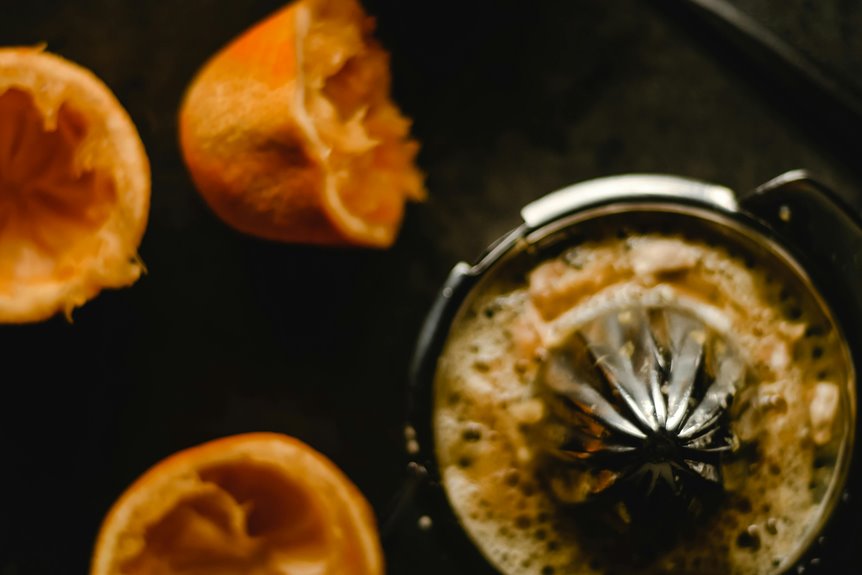
Citrus press models work a little differently from masticating and cold press juicers, but they can still leave you with impressively dry pulp.
You get that result when the cone squeezes each half firmly and keeps the juice moving away from the peel. With good citrus peeling, you’ll notice less stringy waste and a cleaner press.
Manual reaming can also help because you control the pressure and work through the fruit more fully. If you rush, you may leave wet sections behind.
How to Tell If Juicer Blades Are Dull
Dull juicer blades usually show up in the juice before you ever spot the blades themselves, so watch for changes in how the machine behaves. As blade sharpness drops, cutting performance slips, and you might hear the motor strain or notice produce sliding around instead of moving cleanly through the feed chute.
- You get more soft chunks in the pulp.
- The juicer needs more pushing than usual.
- Leafy greens look torn, not sliced.
- Juice flow slows, even with fresh produce.
If you’re feeling unsure, trust that instinct. You know your machine best, and small changes matter. Sharp blades grab, cut, and move ingredients with less effort, while dull ones leave you working harder for less juice.
Check for a Clogged Filter or Screen
Should your juicer’s pulp suddenly look wetter than usual, check the filter or screen first. A clogged filter can trap fibers and reduce separation, so you may notice soggy pulp and less clear juice. Open the part and inspect the mesh carefully. If you see buildup, rinse it immediately and brush both sides gently.
| Sign | What it means | What you do |
|---|---|---|
| Sticky fibers | Strainer blockage | Rinse and scrub |
| Tiny holes closed | Poor flow | Soak and clean |
| Tears or cracks | Damaged screen | Replace the part |
| Pulp on edges | Uneven strain | Recheck fit |
You are not alone if this happens, even a good juicer needs a clean screen to do its job. When the filter stays clear, your machine can separate juice more evenly and keep pulp texture where you want it.
Are You Feeding the Juicer Too Fast?
Should your filter be clean but the pulp still looks wet, the next thing to check is how fast you’re feeding the juicer. When you push produce in too quickly, the machine can’t keep up, and your batch size becomes too much at once. That extra load gives the auger less time to squeeze out juice, so the pulp leaves with more moisture.
You’ll usually get better results when you slow your feed pace and let each piece move through fully.
- Add one piece at a time
- Pause before the next push
- Keep batch size small
- Use gentle pressure on the pusher
This steadier rhythm helps you feel more in control, and your juicer can do its job with less stress and fewer soggy surprises.
What Produce Makes the Most Juice?
When you want more juice, the produce you choose matters just as much as the juicer itself. Pick foods with high water content, and you will usually see a better juice yield, plus less waste in the pulp basket. You are not alone if you have wondered why some batches feel almost empty.
| Produce | Water content | Juice yield |
|---|---|---|
| Watermelon | Very high | Very high |
| Cucumber | Very high | High |
| Oranges | High | High |
Leafy greens can surprise you too, especially spinach and romaine. Root vegetables such as carrots give solid, steady juice, while celery adds a lot of liquid with a fresh bite. Softer fruits can boost the blend, but they will not all act the same. So, when you shop, think about the whole group and choose produce that helps you feel satisfied, not shortchanged.
How to Get More Juice From Each Batch
Now that you know which produce gives you more juice, the next step is getting every drop you can from each batch without making the machine fight you.
Use batch pacing so you feed small, even pieces and let the juicer finish each bit before you add more. That steady rhythm helps the auger or blades work harder for you, not against you.
- Chop produce into similar sizes.
- Alternate soft fruit with firmer items.
- Press the pusher gently, not fast.
- Let the chamber clear before refilling.
You will also get better yield by pausing between additions and giving the machine room to separate liquid from pulp. When the feed feels crowded, slow down and stay with the flow. You aren’t doing it wrong, you’re just helping your juicer do its best work.
When Dry Pulp Means Your Juicer Needs Repair
Dry pulp usually means your juicer is doing its job well, but a few warning signs can show the machine needs repair instead of praise. If the pulp stays unusually dry across every batch, even with juicy fruit, treat it as a maintenance warning. A clogged filter, cracked screen, or worn component can stop proper separation and strain the juicer.
| Sign | What it may mean |
|---|---|
| Dry pulp every time | Filter wear |
| Juice output drops | Internal blockage |
| Loud grinding | Worn components |
| Pulp leaks into juice | Repair needed |
You deserve a better juicing routine, so trust patterns, not one lucky batch. When cleaning does not help, inspect the machine, replace parts, or call for service before bigger damage develops.
Frequently Asked Questions
How Often Should I Clean My Juicer to Keep Pulp Dry?
You should clean your juicer after every use, and you can add a weekly deep cleaning to your maintenance schedule. This cleaning frequency helps prevent clogging, keep pulp dry, and give you confidence while juicing.
Can Room-Temperature Produce Improve Juicing Results?
Yes, room-temperature produce can improve juicing efficiency, and you may notice it when you want a smoother batch. You often get better flow, less strain, and more juice when the produce is not cold.
Does Alternating Produce Types Affect Pulp Dryness?
Yes, you can improve pulp dryness by varying produce sequencing and ingredient density. Alternating hard roots with softer fruits helps keep the flow steadier, which allows your juicer to press more evenly and avoid overload.
Why Is Pulp Drier With Leafy Greens Than Cucumbers?
You’ll notice leafy greens leave drier pulp because their fibrous leaves hold structure while the juicer extracts more liquid. Cucumbers contain more water, so cucumber juice often leaves wetter pulp. Roughly 70% of produce is water.
Should I Strain Juice Again for a Smoother Texture?
Yes, you can strain it again for a smoother texture. This extra filtration removes fine pulp and makes the juice silkier. If you prefer a lighter feel, you will probably like this extra step.