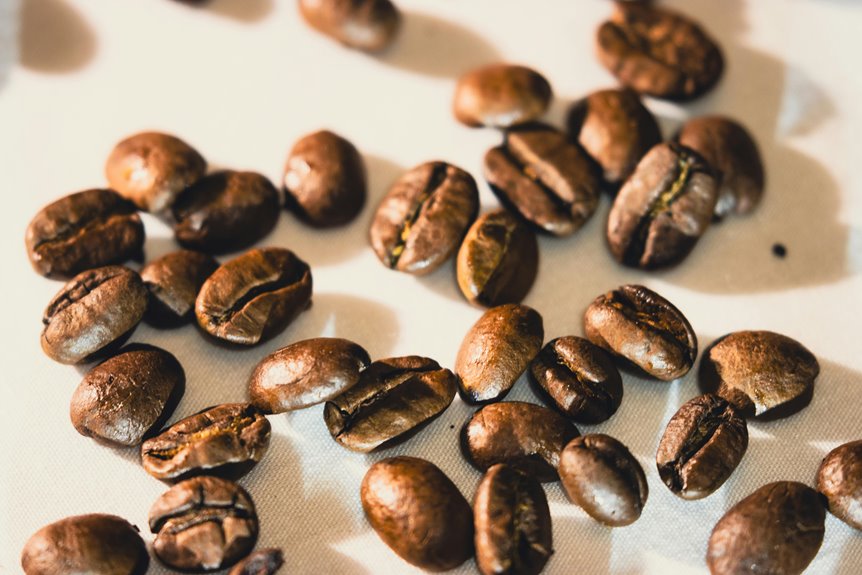
Yes, you can blend coffee beans at home, and it is one of the easiest ways to shape a cup that feels more personal. When you mix beans with different strengths, you can soften sharp brightness, add body, or bring out sweeter notes. The key is knowing which beans work well together and how small changes can shift the flavor more than you might expect.
Can You Blend Coffee Beans?
Yes, you can blend coffee beans, and it’s a simple way to make a cup that feels more like your own.
You mix two or more beans to shape taste, aroma, and body, so your mug feels less random and more intentional.
Start with methods that fit your style: weigh each bean, mix small batches, and taste before you commit.
Then pay attention to storage timing, because letting beans rest together for a day or two can help them settle before brewing.
You can try beans with soft notes alongside bolder ones, and that balance often creates a smoother cup.
If your first attempt misses the mark, that’s okay.
You aren’t behind, you’re learning your own blend, one careful sip at a time.
Why Blend Coffee Beans at Home
Blending coffee beans at home lets you shape a flavor that fits your taste instead of settling for one note.
You can balance bright beans with richer ones to create a smoother cup that feels more complete.
It also gives you room to build a custom roast profile, so your coffee can taste exactly how you want it.
Flavor Balance
A smart coffee blend can turn a good cup into one that feels made just for you. When you mix beans at home, you shape flavor balance in a way that fits your own palate and the people you share it with. One bean can bring bright acidity, while another adds body or sweetness, and together they create taste harmony.
That balance matters because no single note should dominate the rest. Instead, you want each sip to feel steady, warm, and easy to enjoy. Start with small amounts, taste often, and trust what feels right to you.
As you adjust the mix, you’ll notice how one bean can soften another’s edge. That’s the real comfort of blending at home. Your cup starts to feel familiar, welcoming, and truly yours.
Custom Roast Profile
Once you have found a flavor balance you love, the next step is shaping how that blend will roast and taste in the cup. With custom roast tuning, you can guide each bean through roast development stages so one part adds sweetness while another brings body. That control helps you feel more at home in your brew because the cup starts to match your taste, not a label.
| Roast goal | What you change | Cup result |
|---|---|---|
| Light lift | Shorter roast | Brighter notes |
| Balanced core | Medium timing | Smooth sweetness |
| Bold finish | Longer finish | Deeper body |
You can test small batches, compare them, and adjust without guessing. That process keeps you connected to your blend and makes every cup feel made for your circle.
Which Coffee Beans Blend Best Together
You’ll get the best blend when the beans balance each other. Consider pairing a bright coffee with a smoother one to round out the cup.
Roast level matters too, because beans with similar roast strength usually work together more easily and taste cleaner.
When you match flavor balance with roast compatibility, you give yourself a much better chance of creating a blend that feels natural instead of messy.
Flavor Balance
As you blend coffee beans, the best match is usually the one that creates balance instead of a loud, messy fight in the cup. You want each bean to play a role, not steal the show. A smooth bean can soften sharp edges, while a brighter one adds acidity and keeps the cup lively.
If you want a round, cozy taste, look for sweetness that connects beans with caramel, chocolate, or nutty notes. If you want more sparkle, pair a deeper bean with a lively one, but keep the flavors close enough to stay harmonious.
Small changes matter, so test a few ratios and trust your palate. When the blend feels easy and complete, you’re probably in the sweet spot.
Roast Compatibility
Roast compatibility matters just as much as flavor balance because the roast level can make or break how two beans work together.
You want beans with similar roast development so they extract at a similar pace and feel united in the cup. If one bean is light and bright while the other is dark and smoky, the blend can feel split instead of cohesive.
That said, you can still mix different roasts when you match their purpose. A medium roast often bridges the gap well, while a darker bean can add depth without taking over.
You should also check origin compatibility, since some regions naturally share sweetness, body, or acidity. As you taste with care, you’ll find blends that feel right together.
How to Blend Coffee Beans for Better Flavor
Blending coffee beans is one of the easiest ways to create a cup that matches your taste more closely, because the right mix can improve balance, body, and aroma.
Start with small batch testing so you can taste each adjustment without wasting beans. Use precise bean ratios, such as 50/50 or 60/40, and weigh each part instead of estimating by eye.
This approach helps you learn when one bean should take the lead and when another should simply support the cup. Next, grind the beans separately, mix them thoroughly, and brew the blend the same way each time.
That consistent routine makes it easier to identify what works. With a little care, you can build a blend that feels personal and balanced.
Light and Dark Roast Blending Tips
Because light and dark roasts bring very different strengths to the cup, the best blend starts with a clear goal. Use the brightness of a light roast to lift the blend, then let the darker beans add body and a dark roast finish. Try this simple guide:
| Ratio | What it does | Best for |
|---|---|---|
| 70/30 | Keeps the light roast in front | Bright, lively cups |
| 60/40 | Feels even and balanced | Daily brewing |
| 50/50 | Shares both strengths | Bold, blended flavor |
Start with small batches, weigh your beans, and taste after each change. If the cup feels sharp, add a little more dark roast. If it feels flat, give the light beans more room. You are building a blend that fits your taste, and that matters.
How to Balance Flavor, Body, and Brightness
Now that you have seen how roast levels can work together, the next step is to shape the cup you actually want to drink.
Start by naming your goal: richer body, brighter lift, or a smoother middle. If you want a fuller sip, add a bean with heavier texture. If you want more sparkle, choose one with lively acidity control. Then use a smaller portion of a fragrant bean to raise aroma intensity without taking over.
You can blend 50/50 for equal presence, or 70/30 when one bean should lead. Taste in small batches because tiny changes can shift the whole cup. Weigh each bean, mix well, and brew the same way each time.
That way, you and your coffee crew can chase balance together.
Common Coffee Bean Blending Mistakes
One of the easiest ways to ruin a blend is to rush the process and trust your first guess. You’ll get better results if you slow down and compare small batches carefully. Many people overlook these common mistakes:
- guessing ratios instead of measuring each bean
- mixing beans that work against each other’s strengths
- ignoring uneven grinding, which throws off extraction
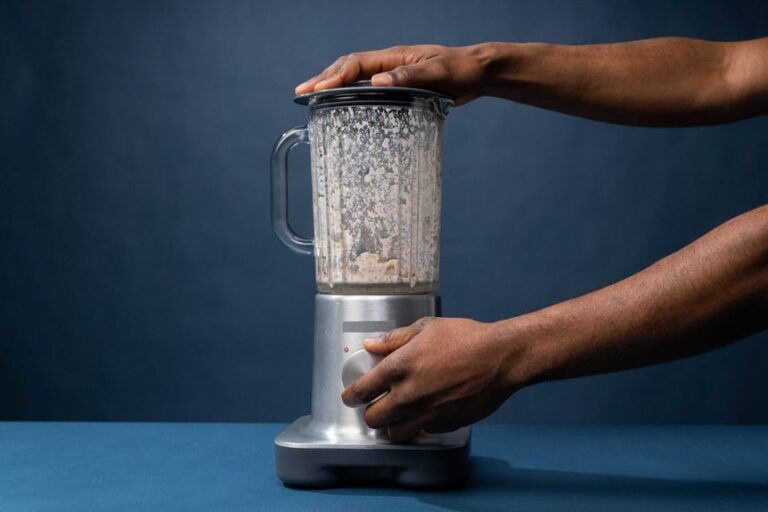
- overheating beans in a blender or grinder, which can make the cup taste harsh
If you skip these steps, your blend can feel flat or overly intense in the wrong ways. Blend with care, test, taste, adjust, and stay patient. That’s how you build a coffee worth sharing.
How to Store and Brew a Coffee Blend
After you blend your beans, storage and brewing determine whether that effort pays off or fades quickly. Use airtight glass containers or a sealed canister, and keep them away from light, heat, and moisture. These storage methods help your coffee stay lively instead of flat. If you make a large batch, divide it into smaller jars so you open only what you need.
Let roasted beans rest for a day or two before brewing, because the flavors usually settle and become more balanced. Then grind just before you brew. Match the grind size to your method, and follow the recommended brew times for French press or pour-over so you don’t extract bitterness. With a little care, you’ll sip a blend that feels made for your own kitchen.
Frequently Asked Questions
Can You Blend Decaf and Regular Coffee Beans?
Yes, you can blend decaf and regular coffee beans to match your preferred caffeine level and taste. This gives you more control over caffeine intake, and you can adjust the flavor until it suits you.
Does Blending Beans Affect Caffeine Content?
Yes, you can blend beans, and it can affect caffeine content depending on the blend ratio. For consistent caffeine levels, measure each bean type carefully and test small batches until the result matches your taste.
Can You Blend Flavored Coffee Beans With Plain Beans?
Yes, you can blend flavored coffee beans with plain beans, and you can create your own flavor pairing and aroma balance. Start with small batches, taste often, and adjust the ratios until it feels right for you.
Should Coffee Beans Be Blended Before or After Roasting?
You can blend coffee beans before or after roasting, but the best choice depends on differences in roast level and your home roasting timing. Start small, taste often, and choose the method that helps you build the balanced flavor you prefer.
How Long Should a Homemade Coffee Blend Rest Before Brewing?
You should let your homemade blend rest at least a day or two before brewing. That resting time after grinding helps the flavors settle, balance, and develop more fully.