You do not need a bulky machine to handle beets and carrots well. The right juicer can make stubborn root vegetables feel easy.
In the next few picks, you will see how strong motors, wide chutes, and smart cleanup features change the entire juicing process. Some models extract more from each beet, while others save you time as the pulp builds up.
That difference matters more than you may realize.
| Godspeeds Slow Masticating Cold Press Juicer |  | Best for Whole Fruits | Juicing Type: Slow masticating cold press | Motor Power: 300W | Feed Chute: 5.8-inch | VIEW LATEST PRICE | Read Our Analysis |
| Anybear Cold Press Juicer with Large Feed Chute |  | Highest Juice Yield | Juicing Type: Masticating slow juicer | Motor Power: 200W | Feed Chute: 4.3-inch | VIEW LATEST PRICE | Read Our Analysis |
| TUUMIIST 3-in-1 Cold Press Juicer Machine | 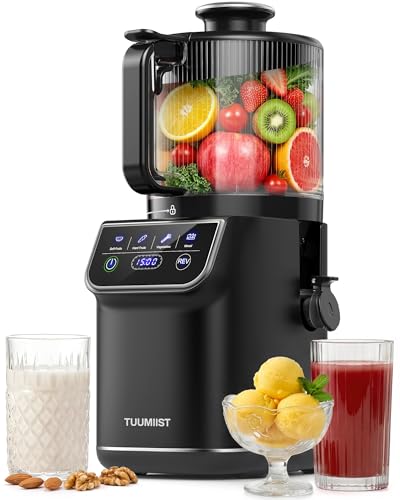 | Best for Large Batches | Juicing Type: Smart touch masticating | Motor Power: 350W | Feed Chute: 6.5-inch | VIEW LATEST PRICE | Read Our Analysis |
| Anybear Cold Press Juicer 200W with Large Feed Chute |  | Easy-Clean Pick | Juicing Type: Masticating slow juicer | Motor Power: 200W | Feed Chute: 4.3-inch | VIEW LATEST PRICE | Read Our Analysis |
| Anybear Cold Press Juicer with Large Feed Chute |  | Best for Speed | Juicing Type: Dual-stage cold press | Motor Power: 350W | Feed Chute: 4.9-inch | VIEW LATEST PRICE | Read Our Analysis |
More Details on Our Top Picks
Godspeeds Slow Masticating Cold Press Juicer
If you want a juicer that makes beet and carrot prep much less of a chore, the Godspeeds Slow Masticating Cold Press Juicer is a strong choice. It has a wide 5.8 inch chute, so you can often add whole produce and skip extra chopping. Its 300W motor and masticating action gently crush beets, carrots, and leafy greens for solid juice yield. It also offers easy cleanup, quick three step assembly, reverse support, and clog control. For busy mornings, that convenience matters.
- Juicing Type:Slow masticating cold press
- Motor Power:300W
- Feed Chute:5.8-inch
- Juice Yield:High yield
- Warranty:Manufacturer support
- Safety Features:Overheat protection
- Additional Feature:5.8-inch feed chute
- Additional Feature:Removable filter design
- Additional Feature:Juice and pulp separator
Anybear Cold Press Juicer with Large Feed Chute
The Anybear Cold Press Juicer with Large Feed Chute is a smart choice if you want a beet and carrot juicer that saves time without adding extra effort. You can feed whole produce through the 4.3-inch chute, which makes prep quicker and easier. Its 200W motor and 65 RPM slow press help deliver up to 98.9% yield while preserving fresh flavor. The BPA-free Tritan parts provide added peace of mind, and cleanup is simple with a single rinse. It also includes a 5-year warranty, 24/7 support, and a useful recipe collection.
- Juicing Type:Masticating slow juicer
- Motor Power:200W
- Feed Chute:4.3-inch
- Juice Yield:Up to 98.9%
- Warranty:5-year warranty
- Safety Features:BPA-free Tritan
- Additional Feature:180nm high torque
- Additional Feature:65 RPM speed
- Additional Feature:Baby food-grade Tritan
TUUMIIST 3-in-1 Cold Press Juicer Machine
With a 6.5-inch wide chute and a 100-ounce pitcher, the TUUMIIST 3-in-1 Cold Press Juicer Machine is a strong choice if you want to juice beets and carrots with minimal prep work. You can add large pieces, then let its 350-watt masticating system extract up to 95% of the juice with dry pulp. The touchscreen is easy to use, and the quiet motor helps keep mornings calm. Since it also makes nut milk and sorbet, you get more value from one machine. Cleanup is simple too, thanks to the three-part design, included brush, and useful safety features.
- Juicing Type:Smart touch masticating
- Motor Power:350W
- Feed Chute:6.5-inch
- Juice Yield:Up to 95%
- Warranty:Not specified
- Safety Features:Auto-reverse/overheat protection
- Additional Feature:3-in-1 versatility
- Additional Feature:100oz pitcher capacity
- Additional Feature:Touchscreen control panel
Anybear Cold Press Juicer 200W with Large Feed Chute
Anybear Cold Press Juicer 200W with Large Feed Chute is a smart pick if you want to juice beets and carrots without a lot of prep work, because its 4.3-inch feed chute can take whole fruits and vegetables and help you get started fast. You will also like the 200W motor with 180nm torque, since it powers through hard produce at a slow 65 RPM. That slow press helps keep more flavor in your glass and boosts yield up to 98.9%. Cleanup stays easy too, thanks to the one-piece stainless filter, a simple rinse, and dishwasher-safe parts.
- Juicing Type:Masticating slow juicer
- Motor Power:200W
- Feed Chute:4.3-inch
- Juice Yield:Up to 98.9%
- Warranty:5-year warranty
- Safety Features:BPA-free Tritan
- Additional Feature:Silver gray finish
- Additional Feature:One-piece stainless filter
- Additional Feature:Recipe collection included
Anybear Cold Press Juicer with Large Feed Chute
If you want a juicer that can handle tough beets and carrots without making prep time a chore, the Anybear Cold Press Juicer with Large Feed Chute is a smart choice. Its 4.9-inch chute lets you add whole produce, so you spend less time chopping and more time enjoying fresh juice. The 350W motor and high torque help it process hard vegetables with ease. Its dual-stage cold press design keeps juice smooth, fresh, and nutrient rich. It also runs quietly, uses BPA-free Tritan, and cleans up quickly.
- Juicing Type:Dual-stage cold press
- Motor Power:350W
- Feed Chute:4.9-inch
- Juice Yield:Maximized yield
- Warranty:5-year warranty
- Safety Features:Anti-blockage reverse function
- Additional Feature:4.9-inch extra-wide chute
- Additional Feature:Dual-stage cold press
- Additional Feature:Anti-blockage reverse function
Factors to Consider When Choosing a Juicer For Beets And Carrots
When choosing a juicer for beets and carrots, start with motor power because these hard vegetables need steady strength to process well. You should also look at chute size, juice yield, cleaning ease, and anti clog features, since each one affects how smooth your juicing experience will be. The right combination can save you time, reduce mess, and help you get more fresh juice from every batch.
Motor Power
Motor power matters a lot whenever you are juicing beets and carrots, because these hard vegetables can push a weak machine to its limits quickly. You will want a juicer with about 300W to 350W, since that range usually handles dense roots with less effort and better juice extraction. Also, look for strong torque, around 180 nm or higher, so the motor can cut through fibrous chunks without sounding strained. If you choose a masticating model, slower speeds near 65 RPM can help preserve nutrients and reduce oxidation. A stronger motor also leaves drier pulp, which means you get more juice from each batch. Finally, overheat protection gives you extra peace of mind during longer juicing sessions.
Chute Size
A roomy chute can make juicing beets and carrots feel much less like prep work and much more like a quick win. When you choose a juicer with a 5.8-inch chute or wider, you can often drop in whole beets and carrots, which saves time on chopping. If your produce is medium sized, a chute of at least 4.3 inches still helps and reduces the chance of clogs. A wider opening also helps the juicer feed ingredients more smoothly, so you can keep moving without frequent stops. Many models with larger chutes also handle dense produce better, which matters with tough roots. That extra space makes it easier to process several ingredients at once, and your kitchen routine stays calm and simple.
Juice Yield
Juice yield matters just as much as chute size because the whole point of buying a beet and carrot juicer is getting more juice from every hard root you feed it. You want a machine that leaves dry pulp behind, not a wet mess that wastes your produce and money. Masticating juicers usually do this best since their slow action cuts foam and keeps more liquid in the cup. Some strong models can pull out up to 98.9% from carrots and beets, which feels especially useful when your vegetables are stubborn. Dual stage extraction helps too because it crushes first and presses afterward. A stronger motor also helps the juicer work through tougher roots without slowing down, so you get better results with less fuss and less waste every time.
Cleaning Ease
Whenever you are juicing beets and carrots, cleaning ease can make the difference between a tool you love and one you avoid on busy days. You want parts that come apart fast so you can rinse away pulp before it dries. Removable filters and pieces save you time, while one piece filter designs can make cleanup even simpler with just a quick rinse. Dishwasher safe parts help when you need a no fuss option after a long morning. Also, look for juicers that assemble and disassemble smoothly because that keeps the whole process calm and quick. If you juice often, that small bit of ease adds up. A cleaner machine also feels better to use, and that matters because beet stains already seem to have plans of their own.
Anti-Clog Features
Should cleaning ease keep your juicer pleasant to use, anti-clog features keep it pleasant to own. When you press beets and carrots through a juicer, jams can slow you down fast. A reverse function helps clear stuck pieces before they turn into a mess. Special augers and filters also matter because they move pulp along and reduce buildup. That means you can keep juicing without stopping every few minutes to dig out fibers. A large feed chute helps too, since you can drop in bigger pieces and lower clog risk. Still, your juicer works best when you care for it well. Rinse parts after use, and keep key pieces clean so the anti-clog system keeps working smoothly. That way, your juice stays flowing and your patience does too.
Material Safety
Because beet juice can stain quickly and carrots can strain a juicer, material safety should be a top priority. Choose a juicer made with BPA-free parts so unwanted chemicals do not enter your drink. Food-grade Tritan or stainless steel offers durability and peace of mind for daily use. Look for smooth, easy-to-clean surfaces because beet pigment can settle in small crevices. A one-piece stainless steel filter helps you rinse faster and keeps plastic out of the mix. Also, check for safety certifications. They show that the materials meet health standards for food preparation. By choosing safe materials from the start, you protect your juice, your family, and your time.
Frequently Asked Questions
Which Juicer Works Best for Leafy Greens Too?
You’ll get the best results from a slow masticating juicer with a green juice screen. It extracts leafy greens well, handles beets and carrots too, and helps you avoid wasting juice or nutrients.
How Do You Clean Beet Stains From a Juicer?
After a beet-heavy batch, scrub the stained parts with warm soapy water, then soak them in a baking soda and lemon juice solution, such as a stained filter basket. Rinse thoroughly and dry immediately to prevent discoloration.
Can These Juicers Handle Frozen Fruits Safely?
Usually, you cannot safely run frozen fruits through these juicers. Thaw them first, because hard pieces can strain the motor, dull parts, or cause jams. Check your model’s manual before trying.
What’s the Difference Between Masticating and Centrifugal Juicers?
Masticating juicers slowly crush produce, while centrifugal juicers spin quickly, like a whirlwind compared with a slow press. Masticating models usually produce more juice and less foam, while centrifugal juicers typically cost less and work faster.
How Long Does Fresh Beet Carrot Juice Stay Good?
Fresh beet carrot juice stays good for about 24 to 48 hours in the fridge, but you will get the best flavor and nutrients within 24 hours. Store it sealed and chill it immediately.
Final Thoughts
Beets and carrots can challenge any juicer, so you want one that feels steady, powerful, and easy to clean. The best models in this list do more than extract juice, they help reduce mess and keep your routine moving. But the top choice may not be obvious at first. As you compare chute size, motor power, and cleanup, one option starts to stand out. That is where fresh juice becomes much easier.