
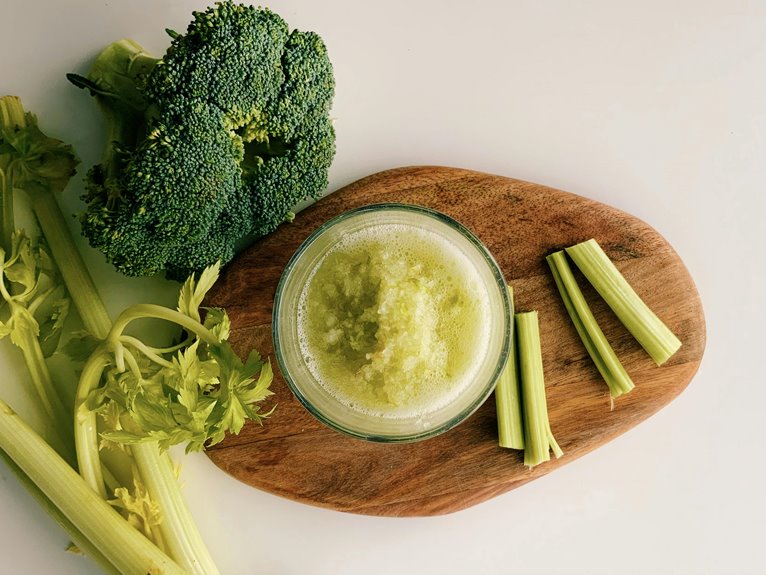
Nearly 70% of people who juice say they mix greens with fruit to improve the taste, and you can do the same with broccoli and other cruciferous vegetables. You can juice broccoli, kale, cabbage, Brussels sprouts, and cauliflower if you prep them well and pair them with milder produce. The flavor can be bold, but the right mix makes it much easier to enjoy. What matters most is how you choose, trim, and balance these vegetables, because one small change can make the whole glass work.
Yes, You Can Juice Broccoli
Yes, you can juice broccoli, and that may come as a pleasant surprise if you have only had it roasted, steamed, or covered in cheese. You can turn it into a bright, earthy drink, and there’s no need to feel odd about trying it.
For safe juicing, choose fresh heads, trim tough ends, and cut the pieces small enough for your machine. Then wash the raw produce carefully, because clean broccoli helps you avoid grit and improves the taste of the juice.
If the flavor feels strong, you can mix it with apple, pear, lemon, or cucumber for a smoother sip. Broccoli stems can work too, provided your juicer can handle them. In this way, you have a simple, practical option for adding more greens to your routine.
Which Cruciferous Vegetables Juice Best?
When choosing cruciferous vegetables for juice, some work better than others because of their flavor and texture. Broccoli, kale, and cabbage usually juice well.
Brussels sprouts and cauliflower can have a stronger taste, so adding a little apple, lemon, or pear can help balance the flavor. The best choice depends on how much bite you want and how easy you want the juicing process to be.
Best Juicing Choices
Some cruciferous vegetables juice more smoothly than others, so your best choice depends on taste, texture, and the power of your juicer. If you want an easy start, choose broccoli florets, cauliflower, and tender kale. They break down well and fit most machines, so compatibility stays simple.
If you have a stronger juicer, you can add Brussels sprouts, cabbage, or broccoli stems for extra yield. You’ll usually get better results when you mix these with mild vegetables such as cucumber or celery. That helps you build a drink your group can enjoy together, without making the flavor too sharp.
Rinse everything before use, trim tough ends, and cut the pieces small so feeding feels smooth. Then you can keep prep quick and the kitchen calm.
Flavor And Texture Differences
Although cruciferous vegetables share a bold, earthy family flavor, they don’t juice the same way, and texture matters most. When you choose broccoli, you get a sharper bite and a thicker green finish, while cauliflower feels milder and smoother. Kale brings a grassy edge, and Brussels sprouts can taste a little bitter, so they often need apple or lemon for sweetness contrast.
Cabbage gives you a light, crisp juice with less mouthfeel intensity than broccoli stems, which can feel dense when your juicer is weak. When you want a friendlier cup, start with softer leaves and smaller florets. Then mix in citrus, pear, or cucumber so the flavor stays balanced and you still feel like you belong at the juice bar.
Broccoli Juice Taste and Texture
Broccoli juice has a bold, earthy taste that can surprise you at first, and yes, it can lean a little bitter or grassy too. Your taste profile may feel sharp at first, but it often softens quickly as you sip it slowly. The texture is usually light, with a silky consistency that feels cleaner than a smoothie. That makes it easier to join a veggie loving crowd without forcing a heavy drink.
- Fresh broccoli brings a green bite.
- A little chill can smooth the edge.
- The pulp free sip feels crisp, not thick.
- Small fruit notes can help you fit in.
You may not crave it right away, and that’s okay. Once you know what to expect, you can enjoy the bright, plant forward feel with more confidence.
How to Prep Cruciferous Vegetables
Now that you know broccoli juice can be sharp and grassy, it helps to prepare properly before you press a drop. Start by washing the produce under cool running water, then pat it dry so grit does not end up in the glass. Next, trim the stems and peel any woody outer layer from broccoli, cauliflower, or cabbage. You do not need perfection, just pieces that your juicer can handle.
| Prep step | Why it helps |
|---|---|
| Wash well | Removes dirt and residue |
| Trim stems | Improves texture and flow |
| Cut small | Fits the feed chute |
If you are prepping kale or Brussels sprouts, handle them with the same care. That routine helps you get better results, and your juice crew will notice the smoother finish.
How to Juice Kale, Cabbage, and Brussels Sprouts
Kale, cabbage, and Brussels sprouts can all produce a strong green juice, but each one behaves a little differently in the juicer. For the smoothest flow, wash them well, trim tough ends, and feed them in small pieces. Kale usually juices quickly, cabbage gives a softer pull, and Brussels sprouts need a gentler push because they’re denser. Try this:
- Strip kale leaves from thick stems.
- Slice cabbage into thin wedges.
- Halve Brussels sprouts for easier processing.
- Strain the pulp if you want a cleaner cup.
If you want community kitchen tips, keep notes on kale fermentation ideas and cabbage pickle variations too. That way, you can keep building your vegetable routine with friends who share your interest.
What to Add for Better Flavor
Want your green juice to taste less sharp and more inviting? You can soften broccoli’s bite with smart sweetening additions like apple, pear, or a little pineapple. They give you a friendlier sip without hiding the vegetable completely.
Next, try citrus pairings such as lemon or lime, since they brighten the flavor and make the juice feel fresher. Whenever you want more balance, add cucumber or celery for a cleaner taste. A small piece of ginger can also wake up the blend and cut the grassy edge.
Start with a little fruit, then taste and adjust so you stay in control. That way, you build a juice that feels easy to enjoy and still fits your routine.
Broccoli Juice Benefits and Nutrition
Broccoli juice can give you a lot in a small glass, especially when you want more nutrients without eating a large amount of vegetables. It can fit well into your broccoli nutrition goals while keeping things simple. It provides vitamin C, vitamin K, calcium, magnesium, phosphorus, and plant compounds that support overall health.
- You get sulforaphane benefits that may help protect your cells.
- You support bone health with vitamin K and minerals.
- You add a fresh source of antioxidants to your day.
- You make it easier to share healthier habits with others.
Because juicing removes some fiber, you should still include whole vegetables in your meals. Even so, this green drink can help you stay on track without feeling restricted.
When Juicing Crucifers Makes Sense
Sometimes juicing cruciferous vegetables makes a lot of sense, especially when you need an easy way to get more greens into your day without chewing through a giant salad. You may reach for it when meal replacement timing is tight, or when post workout recovery calls for something light, fast, and easy to sip with the group.
| Time | Best use | Why it helps |
|---|---|---|
| Morning | Quick greens | Fits busy starts |
| Midday | Light meal support | Feels simple |
| After exercise | Recovery drink | Goes down easily |
For you, that can mean broccoli, kale, or cabbage with apple or lemon for balance. Keep the juice fresh, and lean on whole vegetables at most meals. Juice works best as a bridge, not your whole road.
Common Broccoli Juicing Problems
Broccoli juice can taste bitter quickly, so you may need fruit, lemon, or a milder vegetable to balance it out. You may also get extra pulp, which can clog your juicer or make the drink thick and gritty. If that happens, a quick strain or a smaller batch can make the process easier and less frustrating.
Bitter Flavor Issues
Even when you do everything right, broccoli juice can still turn bitter quickly, and that can catch you off guard. You aren’t alone, and many home juicers run into this.
Bitter aftertaste fixes usually start with balance, not cover-up. Try these simple moves:
- Add apple or pear to soften harsh greens.
- Mix in lemon or lime to brighten the flavor.
- Use younger florets, which taste less sharp.
- Chill the juice before drinking so the bite feels softer.
If you still taste a strong green note, blend broccoli with cucumber, celery, or carrot next time. That keeps the flavor more balanced without losing the fresh feel.
Once you learn the right combination, you can make a juice that feels welcoming and easy to enjoy.
Excess Pulp Buildup
If the flavor is finally starting to feel right, a pile of pulp can still slow the whole process down and make juicing feel messy fast. Whenever broccoli and other cruciferous vegetables decompose, they leave behind fibrous bits that build up in the basket or screen. You may notice weaker flow, louder strain, or juicer clogging after a few batches.
To keep things moving, feed smaller pieces, alternate softer produce, and stop now and then to clear the chamber. That short pause helps you stay in control and keeps your juice smooth. For easy pulp disposal, line a bowl with a bag or compostable liner, then empty it before it packs down.
A cleaner setup helps you feel prepared, not stuck.
Better Ways to Use Extra Cruciferous Greens
- Toss tender leaves into omelets.
- Roast chopped stems with oil and salt.
- Blend greens with apple and lemon.
- Stir them into grain bowls for color and crunch.
Using them this way helps reduce food waste and makes for better meals.
Frequently Asked Questions
Does Juicing Broccoli Change Its Vitamin Content Significantly?
Not substantially. You’ll keep much of broccoli’s vitamin content, especially vitamins C and K, but juicing can cause some nutrient breakdown from air and heat. You’ll lose fiber, so whole broccoli still provides more overall nutrition.
Can You Juice Broccoli Stems Without a High-Powered Juicer?
Yes, you can juice broccoli stems without a high-powered juicer, but you will need manual pressing or a blender and strainer. Chop them small so you avoid blade clogging and can still maintain a healthy juicing routine.
Is Raw Cruciferous Vegetable Juice Safe for Everyone?
Not everyone should drink raw cruciferous juice. If you have thyroid concerns or take medications that may interact, check with your clinician beforehand. Better safe than sorry, especially when your health is at stake.
How Much Cruciferous Juice Should You Drink in a Day?
Start with 4 to 8 ounces daily, then adjust based on your daily serving guidelines and juice tolerance. Listen to your body, since too much can upset your stomach or overwhelm your palate.
Can You Freeze Cruciferous Vegetables Before Juicing Them?
Yes, you can freeze cruciferous vegetables before juicing, but expect some texture changes. Freezing helps preserve freshness, and you can still make tasty, nutrient-rich juice once they are thawed, chopped, and blended.