Yes, you can juice mangoes, and you’ll usually get a thick, rich drink instead of a thin, clear juice. When you choose ripe mangoes, peel and cut them properly, then blend them with a little cold water, you get a smooth base that tastes sweet and fresh. From there, you can strain it, adjust the sweetness, or pair it with other fruits. That is where the real flavor comes in.
Can You Juice Mangoes?
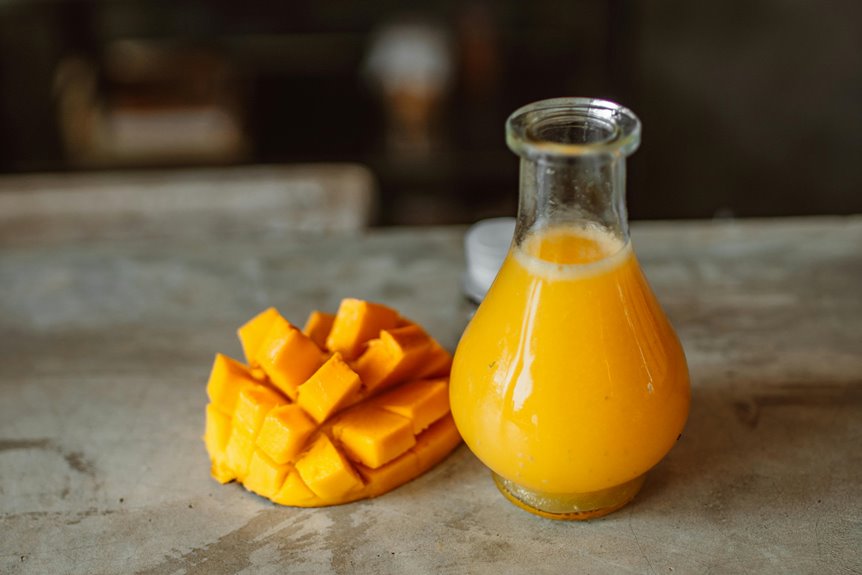
Yes, you can juice mangoes, but the result usually looks more like a thick nectar or a blended drink than a clear juice.
For the best texture, blend ripe mangoes with a little water, then strain it if you want a smoother result.
This drink can feel like a small win on a busy day because it tastes bright and comforting at the same time.
In terms of mango juice nutrition, it provides vitamin C, vitamin A, and natural sweetness without much fuss.
If you make extra, mango juice storage matters. Keep it in a sealed container in the refrigerator and drink it soon, since fresh mango flavor fades quickly.
With a good blend, you can enjoy something simple, sunny, and made for you.
How to Prepare Mangoes for Juicing
Before you blend mangoes into a smooth, sunny drink, a little prep work makes the process easier and the flavor better.
Start with ripe mangoes that feel soft and smell sweet, so you get the best taste without extra effort. Next, wash and peel the fruit under cool water, then slice off the flesh carefully. If the mango has a flat pit, cut around it with steady, gentle strokes. That helps you keep more fruit and avoid struggling with slippery pieces.
After that, check for bruises or stringy spots and trim them away. Then cut the flesh into chunks that fit your blender or strainer. When you prep mangoes this way, you set yourself up for a smoother, brighter drink.
How to Juice Mangoes at Home
How do you turn a soft, golden mango into a smooth homemade drink? Start with ripe fruit, then peel it, remove the pit, and cut the flesh into chunks.
Next, place the pieces in your blender with a little cold water or coconut water. The blender method works best because it breaks down the thick pulp quickly.
Blend until the mixture looks even and creamy, then taste it. If you want a brighter flavor, add a little lime juice. For a lighter drink, pour in more liquid.
If you want a silky texture, strain it, but you can skip that step as well. Serve it right away over ice for a chilled drink that feels fresh and welcoming.
How to Make Mango Juice Smoother
To make your mango juice smoother, start with ripe mangoes that feel soft and smell sweet because they blend into a creamier mix.
Then strain the blended fruit through a fine sieve or cheesecloth if you want a silkier drink with less fiber.
If it still feels too thick, add a little water and blend again until it looks just right.
Choose Ripe Mangoes
Ripe mangoes make all the difference when you want smoother mango juice, because the fruit’s natural sweetness and soft flesh blend more easily. You can spot ripe fruit by checking for a sweet smell, a gentle give, and skin that feels ready, not hard.
These signs help you choose mangoes that already taste sweet, so you don’t need extra sugar later.
- Choose mangoes that bend slightly under your fingers.
- Avoid fruit that feels rock hard or overly mushy.
- Pick mangoes with a fragrant aroma for better flavor.
When you choose well, your drink feels richer and more appealing.
If you’re sharing it with family or friends, ripe fruit brings everyone to the table with less effort and more enjoyment.
Strain For Silkiness
Should you want mango juice that feels smooth on the tongue, straining can make a big difference. After blending, pour the mango mixture through a fine mesh strainer to catch the stringy bits that can make a drink gritty. For an even silkier result, line the strainer with cheesecloth and press gently to extract the liquid.
Don’t rush this step. Slow pressure gives you a cleaner pour and helps keep the juice rich, not watery. If some pulp remains, that’s fine, because you’re shaping the texture you prefer. The result is a drink that feels lighter, tastes bright, and fits easily into your kitchen routine.
How to Adjust Mango Juice Sweetness
A little mango juice can go from tart to smooth with just a few small changes. You can adjust the sweetness by tasting after each blend, then adding a little more mango or water. If your fruit tastes mild, use natural sweeteners like honey or agave, but do so sparingly so the mango remains the main flavor.
- Start with ripe mangoes. They offer more natural sweetness and reduce the need for added sugar.
- Blend in small steps. You’ll notice changes quickly, which helps you stay in control.
- Chill before serving. Cold juice tastes sweeter, so you may need less sweetener.
If the flavor still seems sharp, a small squeeze of lime can help the sweetness stand out. This keeps the drink bright, balanced, and tailored to your taste.
What Fruits Go Well With Mango Juice
As you have already balanced the sweetness of your mango juice, the next easy step is choosing fruits that bring out its sunny, tropical taste.
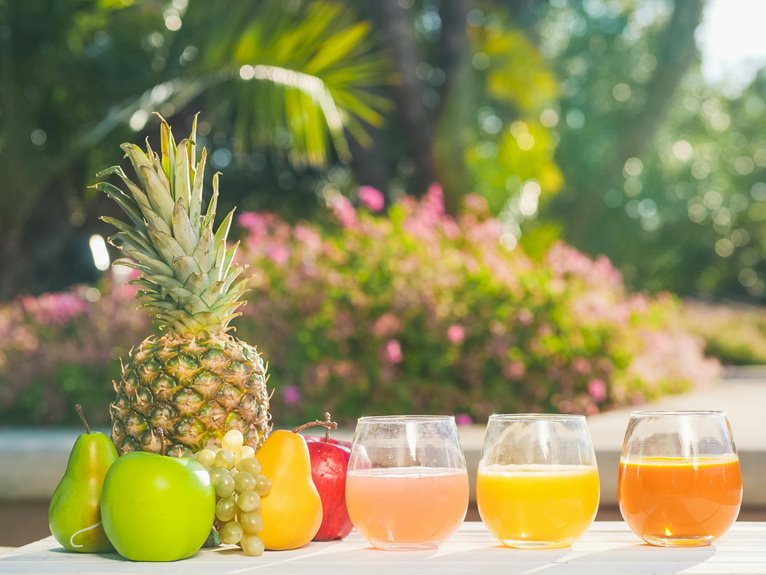
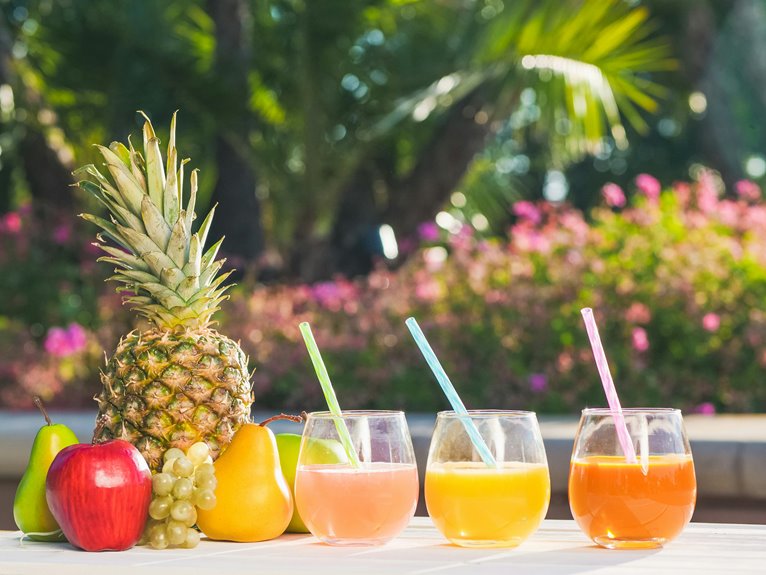
You can mix in pineapple for a bright, tangy lift, and that pineapple mango pairing feels lively without overpowering the fruit you love. Orange, lime, and grapefruit also fit well because citrus mango blends add sparkle and keep each sip fresh. When you want a softer, sweeter mix, try peach, strawberry, or papaya, since they blend smoothly with mango’s rich body. Banana can make your drink creamier, which feels cozy and familiar. For the best match, start with small amounts, taste as you go, and let your own favorite combo shine. That way, your glass feels made for you.
Common Mango Juicing Mistakes to Avoid
You might assume any soft mango will work, but overripe fruit can make your drink taste flat, mushy, and slightly fermented.
If you skip proper straining, you’ll also end up with a thick, fibrous texture that feels more like a smoothie than a smooth juice.
To get a cleaner sip, handle both steps with care.
Using Overripe Mangoes
Using overripe mangoes can turn a bright, invigorating drink into something dull, overly sweet, and a little too mushy for comfort.
You’ll notice that the overripe mango flavor can crowd out the fresh taste you want, while fermented mango notes might sneak in and make the drink feel off. To keep the flavor balanced, choose fruit that gives slightly when you press it, not fruit that feels like it’s collapsing.
- Pick mangoes with a sweet smell, not a sour one.
- Blend soon after peeling so the flavor stays lively.
- Taste before adding sweetener, because overripe fruit often needs less.
When you keep your fruit in that sweet spot, you’ll make a drink that feels smooth, bright, and easy to share with anyone at your table.
Skipping Proper Straining
Skipping the strainer might seem harmless, but with mango juice, it often leaves you with a drink that is too thick, too pulpy, and difficult to sip. A quick strain gives you a smoother pour. If you press the blend through a fine sieve, you turn rough pulp into a mango nectar with a more refined texture.
| Choice | Feel | Result |
|---|---|---|
| No strainer | Heavy | Pulp heavy homemade drinks |
| Fine mesh | Soft | Smooth sip |
| Spoon press | Rich | Less waste |
| Double strain | Clean | Better flow |
| Chill initially | Fresh | Brighter taste |
That small step helps your mango drink fit the moment, whether you are serving yourself or sharing with friends. It keeps the texture pleasant and easy to drink, so every golden sip feels more enjoyable.
Frequently Asked Questions
Can You Juice Frozen Mango Without Thawing It First?
No, you should not juice frozen mango without thawing it first. It can strain your blender and make it harder to get the smooth texture you want. Let it thaw a bit first, and blending will be much easier.
How Long Does Homemade Mango Juice Stay Fresh in the Fridge?
You can keep homemade mango juice in the fridge for about 2 to 3 days. Watch for signs of spoilage such as a sour smell, separation, or fizz. The shelf life shortens if the juice is not sealed well.
Can Mango Juice Be Used in Cocktails or Smoothies?
Yes, you can use mango juice in mango cocktails or tropical smoothies. It adds sweet, fruity depth, blends well with citrus or coconut, and creates drinks that feel invigorating, welcoming, and easy to share.
Is Mango Juice Suitable for People With Diabetes?
Not really. Mango juice can raise blood sugar quickly, so caution is important. Check diabetes guidelines, limit portions, and pair it with protein or fiber. You are not alone, and your choices can still fit thoughtfully.
What Blender Speed Works Best for Juicing Mangoes?
You’ll get the smoothest mango juice by using a high blender setting with speed control, starting low and increasing quickly. This helps you blend ripe chunks evenly, avoid splashing, and create a creamy drink you’ll love.