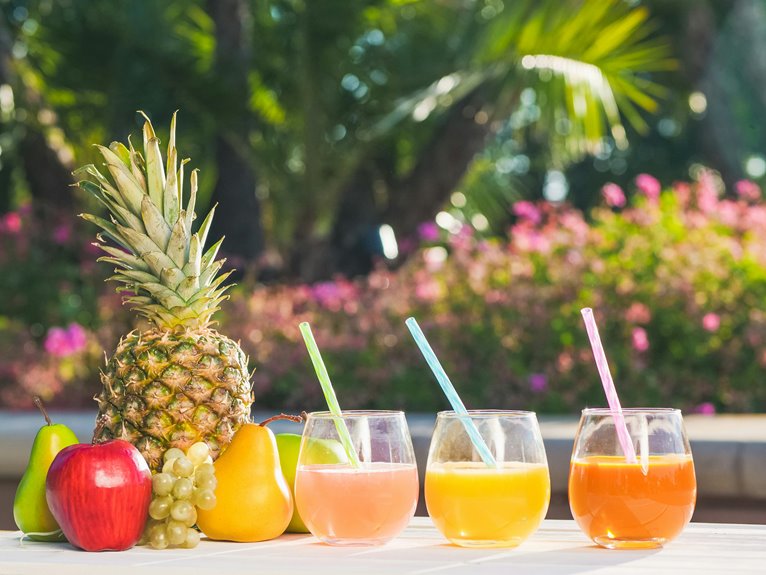
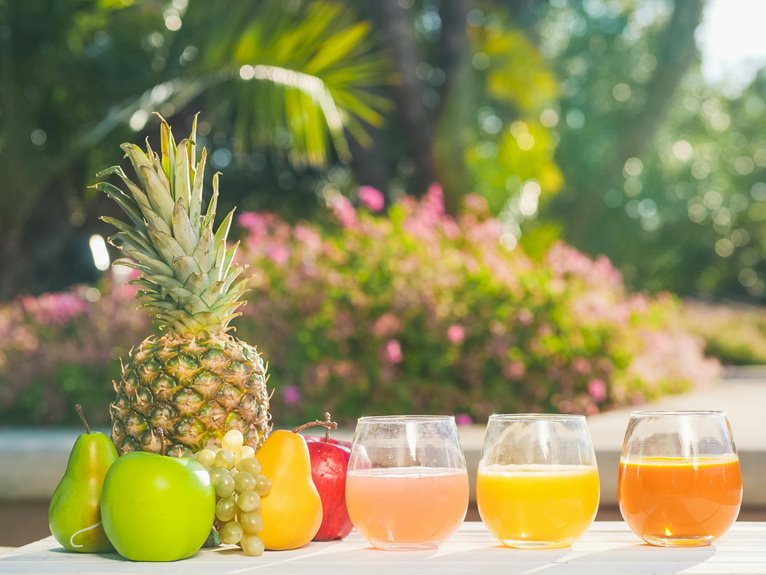
As you cold press fruit, choose pieces that release plenty of juice without turning thick or dull. Apples, pears, grapes, citrus, berries, pineapple, and even watermelon can work very well. You can build a smooth base with apples or pears, then brighten it with lemon or grapefruit, or soften the flavor with berries and pineapple. Some fruits seem suitable at first but can clog the flow, so choosing the right ones can make your juice taste cleaner, brighter, and more satisfying than you might expect.
What Makes a Fruit Good for Cold Press Juicing
The best cold-press fruit does more than taste good. You want fruit that feels firm, smells fresh, and gives you steady juice without turning mushy in the press. Firm apples, pears, and similar fruit usually deliver better fruit firmness and juice yield, so you waste less and feel more in control.
Next, look for seasonality and freshness for pressing, because in-season produce often tastes brighter and blends more smoothly. Wash everything well, remove cores or seeds, and cut pieces to fit your chute. Then you’ll feed the juicer faster and with less mess.
A good fruit choice also helps you feel confident in the cold-press routine, because your juice starts to match the quality you hoped for, sip after sip.
Top Fruits for Cold Press Juicing
Now that you know what makes a fruit work well in a cold press juicer, it helps to look at the fruits that earn a spot in the basket again and again.
You’ll often reach for oranges, lemons, and limes whenever you want a bright lift, while grapefruits can add tang if you peel them first. Apples and pears bring a soft, steady base, so your blend feels friendly and balanced. Pineapple gives you sweet energy, and grapes or berries add color and depth. For the best results, follow seasonal fruit picking and pay close attention to texture and ripeness. Choose firm fruit, wash it well, and cut it to fit. That way, your juicer does the hard work, and you get the good stuff.
Apples, Pears, and Grapes for a Smooth Base
Apples, pears, and grapes make it much easier to build a cold-pressed juice that feels smooth, balanced, and easy to drink. You can rely on these mild fruit bases whenever you want a smooth foundation that can support stronger flavors later. Their gentle sweetness keeps your blend approachable, not fussy.
| Fruit | Best role | Prep note |
|---|---|---|
| Apple | Firm base | Remove core |
| Pear | Soft balance | Remove seeds |
| Grape | Sweet lift | Use fresh bunches |
When you mix them, you get a familiar taste that makes juicing feel simple and accessible. Apples add structure, pears add softness, and grapes bring a light finish. If you are building a blend for the first time, start here and trust the process.
Citrus Fruits for Bright, Tangy Juice
Citrus fruits bring a clean, bright lift to your cold-pressed juice, and they also add vitamin-rich goodness that can make each sip feel more lively.
You’ll get the best balance when you pair oranges, lemons, or limes with milder fruits, since citrus can quickly take over a blend.
Grapefruit can work well too, but you’ll want to peel it first so your juice stays smooth and fresh-tasting.
Flavor And Nutrients
Because they bring both sparkle and structure to a cold-pressed juice, oranges, lemons, limes, and grapefruit can make your blend taste fresh without feeling heavy. You also get strong nutrient density, so every sip feels worth it.
When you choose fruit at peak ripeness, the juice tastes sweeter, brighter, and more balanced. Oranges add gentle sweetness and plenty of juice, while lemons and limes lift flat flavors with a clean edge.
Grapefruit brings a lively bite, but you only need a little to keep the mix approachable. Wash each fruit well, peel it, and remove the seeds before pressing. Then you can enjoy a crisp drink that feels intentional, not forced. Small citrus additions often help the whole glass stand out.
Best Citrus Combinations
Whenever you want a cold-pressed juice that feels bright, lively, and easy to enjoy, the best citrus combinations usually start with a simple balance of sweet and sharp.
You can lean on oranges for body, then add lemon or lime for sparkle. That mix keeps your glass friendly, not harsh. Try orange and lemon blends whenever you want a classic taste that wakes up your palate without taking over.
When you like more bite, grapefruit and lime pairings bring a bold, clean finish, especially when you peel the grapefruit well to avoid bitterness. You’ll get the best results with fresh, in-season fruit, washed and seeded at the start. Keep citrus in small amounts, then let apple or cucumber soften the edge and help you feel right at home in every sip.
Berries for Antioxidants and Deep Flavor
Berries bring much more to cold-pressed juice than color, and that’s part of what makes them so useful.
When you add strawberries, blueberries, raspberries, or grapes, you get berry antioxidants and a deep flavor that can make your blend feel fuller and more alive.
Because berries can be harder to press than apples, use them with a firm base fruit, like green apple or pear, so you get better yield and a smoother finish.
When fresh berries aren’t available, frozen ones can still work well.
You’ll often find that a small handful goes far, especially when you want bold taste without too much sweetness.
Watermelon, Pineapple, and Melons for Hydration
Whenever you want a cold-pressed juice that feels invigorating right away, watermelon and pineapple can make a strong team.
Watermelon provides fast refreshment through its high water content, and pineapple adds a bright, familiar sweetness that feels welcoming.
If you include cantaloupe or honeydew, your melon hydration blends stay smooth and gentle, so they’re easy to sip.
These fruits work well when you want something light after a long day or a warm workout.
For the best results, choose ripe, firm pieces, wash them thoroughly, and cut them small enough for your juicer.
Then you can make watermelon refreshers that support a simple, healthy routine.
Balancing Sweet and Tart Flavors
You can make cold-pressed juice taste smoother by pairing sweet fruits like apples, pears, or pineapple with tart fruits like lemons, limes, or grapefruit.
Start with more sweet fruit if you want a softer flavor, then add a small splash of citrus to brighten it without overpowering the blend.
A good rule is to keep tart fruit in a supporting role so your juice stays bright, balanced, and easy to enjoy.
Sweet Fruit Staples
A few sweet fruit staples can make cold-press juicing feel much easier, especially when you want balance instead of a sugar blast.
You can lean on apples for a crisp, steady base and pears for a softer sweetness that still feels light. Pineapple adds a lively edge, while mango brings a sunny, smooth finish. If you want a fuller sip, papaya can round out the blend without crowding it. Grapes and berries also work well because they brighten the flavor and keep your juice fresh. Choose firm, in-season fruit, wash it well, and cut it to size so your juicer runs smoothly. Then you can mix these staples with vegetables and feel confident that the result tastes balanced and clean.
Tart Fruit Boosters
If your juice tastes too sweet, tart fruits can bring it back to life fast. You can reach for cranberries, pomegranate, lemons, or limes to give your blend a sharper edge. Their cranberry brightness wakes up mellow apples and pears, while pomegranate tartness adds a clean, bold finish that feels invigorating, not harsh.
If you want your glass to feel more lively, start with a small handful of tart fruit and taste as you go. You’ll notice the change right away, and your mix will feel brighter and more inviting. Tart fruits also help you keep each sip interesting, so your juice doesn’t drift into plain sweetness. Whenever you combine them with softer fruits, you get a smoother, friendlier flavor that fits right into your routine.
Flavor Balance Ratios
Getting sweet and tart fruits into the right ratio can turn an average cold-pressed juice into something balanced and easy to enjoy.
Start with a mild base like apple or pear, then add a sweet note from pineapple or grapes. After that, fold in a little orange, lemon, or lime for acid-forward layering so the brightness lifts the blend without taking over. If the juice feels sharp, adjust with mellow sweetness by adding more apple, pear, or orange. If it feels flat, add a small tart splash. This simple rhythm helps you build a glass that tastes friendly, lively, and easy to share. When you trust the mix, every sip feels natural.
Fruits to Avoid in Cold Press Juicing
Even though cold press juicing can handle many fruits, some choices work against you and can make your juice taste dull, overly sweet, or bitter. Skip very soft fruits like bananas and overripe melon because they turn mushy and can leave the juice heavy and flat. Starchy fruits also slow you down since they don’t release clean juice and can make the blend feel thick instead of bright.
Fruit with tough peel, such as unpeeled citrus, or seeded grapes, can also add bitterness quickly. Instead, choose firmer apples, pears, or a little pineapple to keep your juice lively and balanced. When you choose well, you aren’t just making juice. You’re making something that fits your taste and your audience.
Frequently Asked Questions
How Long Does Fresh Cold-Pressed Juice Stay Safe in the Fridge?
Fresh cold-pressed juice stays safe in your fridge for about 24 to 72 hours, depending on storage conditions and refrigerator temperature. For the best flavor and quality, drink it as soon as possible.
Can You Freeze Cold-Pressed Juice for Later Use?
Yes, you can freeze cold-pressed juice for later use, and many people do. About 70% of the nutrients can remain. Use airtight juice storage and leave space for expansion so the frozen juice stays tasty and fresh.
Do Frozen Fruits Work Well in Cold Press Juicers?
Yes, you can use frozen fruits, and they often work well if you thaw them slightly first. This helps create a smoother texture, reduces strain on the juicer motor, and keeps the juice tasting fresh.
How Should Fruits Be Washed Before Cold Pressing?
Wash fruits under cool running water, scrub firm skins, then dry them. For organic produce, you can use a vinegar water soak. Always remove dirt, wax, and residues.
What Size Should Fruit Pieces Be for the Juicer Chute?
You should cut fruit into bite size pieces that fit your juicer chute so it feeds smoothly and safely. Proper fruit prep helps the fruit fit the chute and makes juicing easier and more efficient.